
White House AI Accord Draws Scrutiny Over Typo and Voluntary Nature
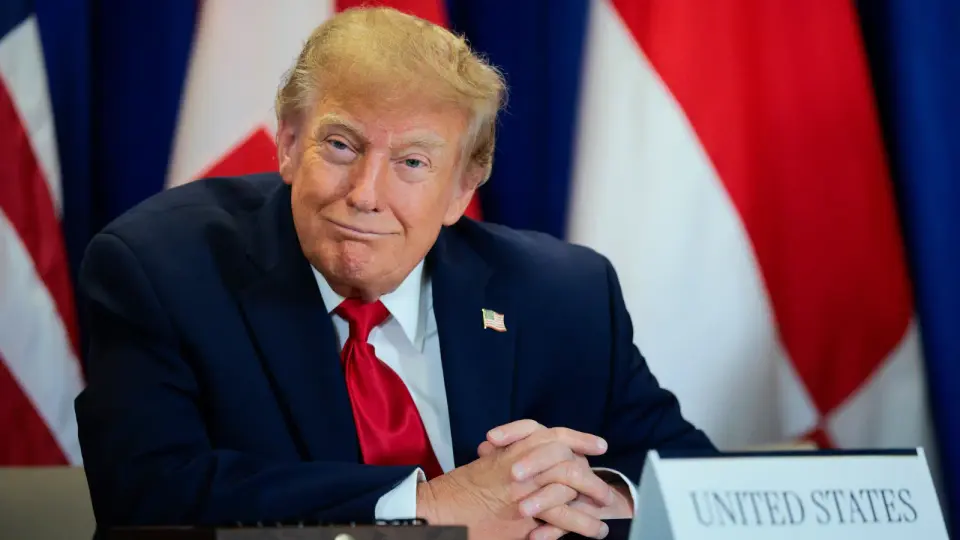
President Trump signed a voluntary 'Super Intelligence' accord with major tech leaders on September 29, 2026, but the document faced immediate criticism for a spelling error in the presidential signature and its lack of legal binding power.
Key points
- The 'White House Accord on Super Intelligence' was signed by Trump and six tech executives, including Sundar Pichai, Elon Musk, and Mark Zuckerberg, on September 29.
- The document contains a misspelling of 'United States' as 'Unites States' under the president's signature, which was widely mocked by politicians and social media users.
- Trump issued an executive order renaming 'artificial intelligence' to 'super intelligence' across all federal agencies, a move critics argue ignores public safety concerns.
- The accord relies on 'morally binding' voluntary commitments for internal controls and audits, lacking legal enforcement mechanisms, which drew criticism from Democrats.
- A Quinnipiac University poll showed only 25% approval for Trump's handling of AI, with 58% disapproval, highlighting public anxiety ahead of midterm elections.
Background
This event follows a series of White House AI initiatives in late September 2026, including the launch of an AI-powered government portal and plans to appoint an 'AI czar.' The move contrasts with earlier Supreme Court rulings on White House expansion projects, reflecting a broader pattern of Trump prioritizing branding and innovation over regulatory oversight.
How outlets are covering it
USA Today highlighted the spelling error in the accord's signature line, noting it was widely mocked by figures like California Governor Gavin Newsom. CNBC emphasized the executive order's mandate to replace 'AI' with 'super intelligence' across federal agencies, framing it as a forced rebrand amid declining public approval. Yahoo's source was inaccessible due to a technical error, but the other outlets agreed that the accord's voluntary nature and lack of legal enforcement drew sharp criticism from Democrats, who argued that renaming the technology does not address real risks.
Why it matters
The incident underscores the tension between the Trump administration's pro-innovation stance and growing public concern over AI safety. The voluntary nature of the accord and the controversial rebrand may influence public perception and policy debates ahead of the 2026 midterm elections, potentially affecting Republican support on technology issues.
What to watch
The White House has not confirmed whether the misspelled document will be corrected in the Federal Register. Trump is expected to sign additional executive orders related to AI, including the appointment of an 'AI czar,' while tech companies may face pressure to codify voluntary safeguards into formal regulations over time.
- Trump's new accord on 'super intelligence' includes spelling error usatoday.com
- Here’s The White House’s 308-Word AI ‘Accord’ In Full—Including Misspelling Forbes
- Trump’s Voluntary A.I. Policing Echoes What Biden Did. But Is It Enough Today? The New York Times
- Trump tries to rename AI 'super intelligence' as polls show him sinking on key issue cnbc.com
- Trump Makes Hilarious Mistake in White House AI Announcement Yahoo
Want the full story? Read the original reporting
Read on usatoday.com