
Netflix Doc on Raygun’s Olympic Trauma Draws Sharp Criticism for Ignoring Sport’s Roots
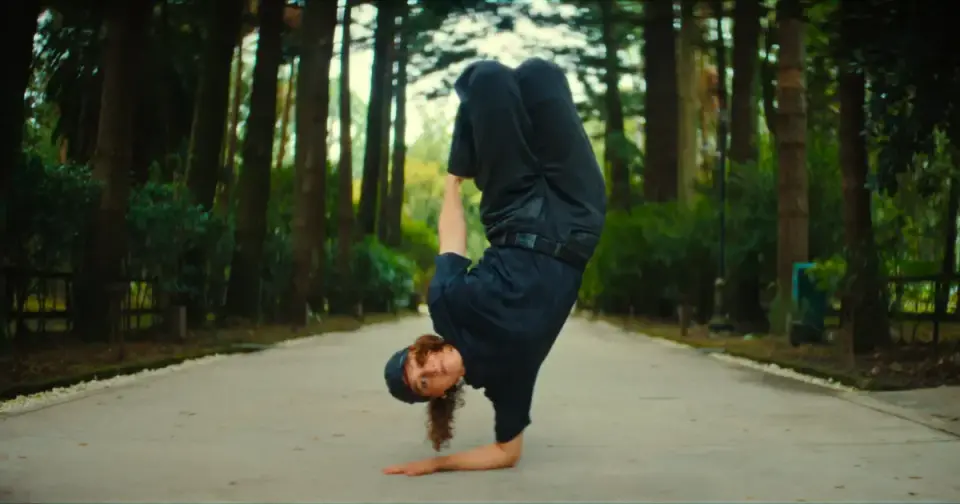
A new Netflix documentary, 'Untold Raygun: Breaking Badly,' details Australian breakdancer Rachael Gunn’s mental health crisis following her viral 2024 Paris Olympics performance. While the film highlights her personal trauma and eventual recovery, critics argue it ignores the broader impact on the sport and lacks accountability from governing bodies.
Key points
- Gunn describes the post-Olympics period as a 'massive trauma' where her life felt like it was 'crumbling,' leading to a mental health crisis and temporary retreat from breaking.
- The documentary features interviews with fellow dancers and Gunn’s husband, Samuel Free, who debunked conspiracy theories regarding her qualification for the Australian team.
- Gunn credits a trip on a Virgin Group cruise ship with helping her regain her footing and eventually return to dancing.
- Critics note that Gunn’s unconventional moves, including a kangaroo hop, received zero points from judges but became a global meme, overshadowing the actual competition.
- The film is part of Netflix’s 'Untold Sports' series and aims to give Gunn a voice after months of online harassment and scrutiny.
Background
Gunn’s 2024 Paris Olympics performance became a cultural phenomenon, with her unconventional style sparking widespread memes and mockery. Prior coverage noted that the incident overshadowed the debut of breaking as an Olympic sport, leading to debates about the sport's integration into the Games. Gunn had previously retired from competitive breaking in 2024 due to the backlash but returned to dance in 2025.
How outlets are covering it
Vulture and the BBC focus on Gunn’s personal narrative, emphasizing her mental health struggles, the support from her husband, and her eventual recovery. They highlight the conspiracy theories she faced and the role of public figures like Adele and Chris Hemsworth in the discourse. In contrast, The Washington Post and Slate criticize the documentary for making a mockery of Olympic breakdancing and failing to address the broader implications for the sport. Slate argues that the film ignores the historical and cultural significance of breaking, which is rooted in Black and brown communities, and places too much blame on Gunn rather than the IOC and World DanceSport Federation for the sport's poor Olympic integration. The Post notes that fellow breakers feel her fame has lasted too long and has overshadowed the legitimate competitors.
Why it matters
The documentary highlights the intense scrutiny and mental health toll faced by athletes in the age of social media, while also sparking debate about the representation and integration of diverse sports into the Olympic framework. It raises questions about accountability in sports governance and the impact of viral moments on individual athletes and their communities.
What to watch
Gunn is expected to continue competing and performing, with the documentary potentially shifting the conversation around her legacy. The broader breaking community may continue to advocate for better representation and standards in international competitions, including the newly formed International Dance League.
- Breakdancer Raygun Felt Her Life Was ‘Crumbling’ Post-Olympics Vulture
- Raygun’s Netflix documentary makes (another) mockery of Olympic breakdancing The Washington Post
- She Made Breakdancing a Joke at the Olympics. Now She’s Back in an Infuriating New Netflix Documentary. Slate
- Breaker Raygun on processing what happened at Paris 2024 Olympics BBC
- ‘Untold’ Aimed for a “Very Serious” Raygun Doc — What We Got Is Closer to a “Coen Brothers Movie” The Hollywood Reporter
Want the full story? Read the original reporting
Read on Vulture