
Good Good Golf CEO threatens Callaway lawsuit after partnership collapse
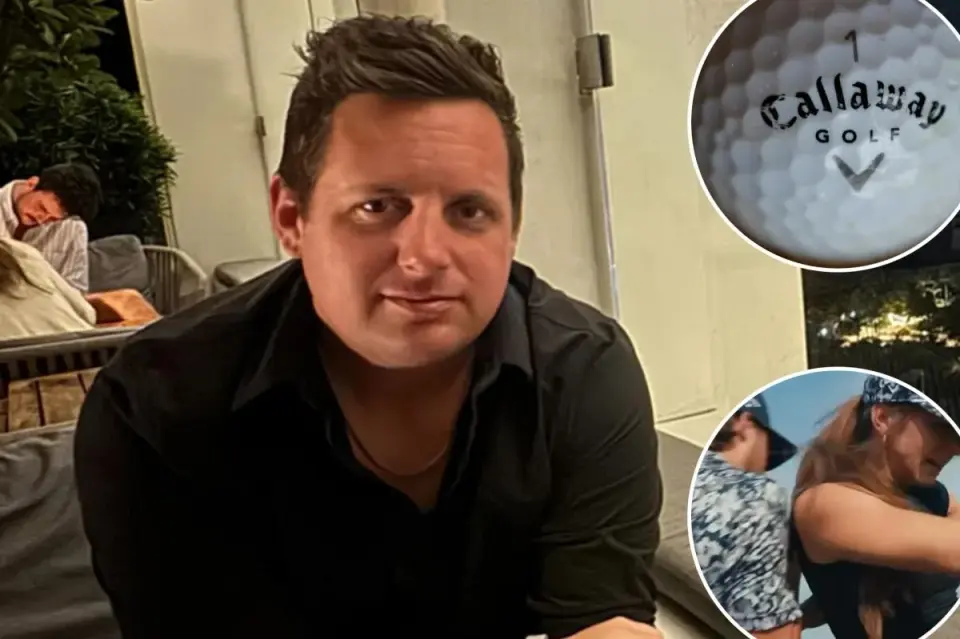
Good Good Golf CEO Matt Kendrick has publicly threatened legal action against Callaway following the termination of their partnership. The split occurred after a co-branded advertisement depicting a man shoving a woman to the ground sparked severe backlash. Kendrick accused Callaway of approving the content and then abandoning his company to face the public criticism, while Good Good simultaneously withdrew from its sponsorship of a PGA Tour event in Texas.
Key points
- Matt Kendrick, CEO of Good Good Golf, posted on X at 3:38 a.m. ET on August 28, 2026, accusing Callaway of a 'coordinated media blitz' and hinting at a lawsuit.
- Callaway ended its partnership with Good Good on August 27, 2026, two days after the controversial ad was posted, despite admitting its content review process failed.
- Good Good announced on August 27 that it would step down as the title sponsor for a PGA Tour event scheduled for November 12-15, 2026, in Austin, Texas.
- Callaway committed $1 million to organizations fighting domestic violence and stated that internal corrective actions have been taken to strengthen approval procedures.
- Kendrick later told Front Office Sports that his initial aggressive stance was a reaction to personal attacks on his family, noting the partnership was scheduled to end anyway.
Background
The incident began in late August 2026 when Good Good Golf and Callaway released a promotional video for a co-branded driver. The ad, intended to reference the horror film 'Obsession,' showed co-founder Garrett Clark shoulder-checking influencer Alexis Miestowski to the ground. The video was quickly pulled after widespread criticism that it normalized violence against women. Prior to the partnership split, major retailers including Dick’s Sporting Goods and Golf Galaxy had already removed Good Good merchandise from their shelves, and PGA Tour CEO Brian Rolapp had expressed disappointment in the brand's initial response. Good Good, founded in 2020, had become a significant player in golf media by leveraging social media personalities, but the incident has severely impacted its reputation and revenue streams.
How outlets are covering it
The New York Post emphasizes the adversarial nature of the split, highlighting Kendrick’s early morning tweets where he accused Callaway of setting his company up and suggested a lawsuit. In contrast, CNN provides a more nuanced view, noting that Kendrick later softened his stance in an interview with Front Office Sports, describing his initial comments as a reaction to personal attacks and acknowledging that the partnership was due to end regardless. While the Post focuses on the potential legal battle and the 'ugly' fallout, CNN frames the event as a major setback for Good Good’s growth and a turning point for the 'internet golf' ecosystem, noting that the PGA Tour will continue the tournament without Good Good’s sponsorship.
Why it matters
This incident highlights the risks associated with brand partnerships between traditional sports equipment manufacturers and newer, influencer-driven media companies. The collapse of the Good Good-Callaway relationship and the subsequent withdrawal from PGA Tour sponsorship demonstrate how quickly reputational damage can translate into financial and strategic losses. It also underscores the increasing scrutiny of advertising content regarding violence against women and the potential for legal disputes when partners disagree on accountability for controversial marketing campaigns.
What to watch
Good Good Golf may pursue legal action against Callaway, as hinted by Kendrick, though he later expressed willingness to let the partnership end naturally. The company faces continued financial pressure from retailers pulling its merchandise. The PGA Tour will need to find a new sponsor for the November event in Austin, Texas. Good Good’s leadership has stated they are focusing on internal culture and learning from the situation, with the goal of rebuilding trust in the future.
- Good Good Golf CEO Matt Kendrick rips Callaway, hints lawsuit after being dumped for shocking ad New York Post
- Fallout from controversial golf ad deepens as Good Good loses deals with Callaway and PGA Tour CNN
- Good Good CEO bashes Callaway Golf after ending partnership Yahoo Sports
- Good Good Golf out as PGA Tour event title sponsor amid ad backlash ESPN
- Good Good Golf Ad Backlash — A Breakdown of the Controversy D Magazine
Want the full story? Read the original reporting
Read on New York Post