
Purdue AD McClelland’s Indiana Jab Sparks Rivalry Firestorm
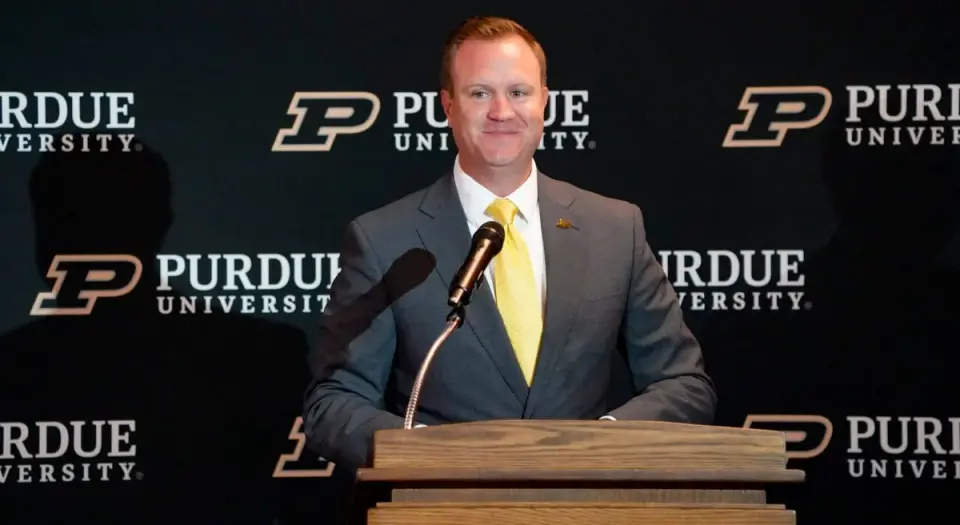
New Purdue athletic director Tommy McClelland ignited a rivalry dispute during his introductory press conference by stating, 'If you don’t want to win championships, go to Indiana.' The remark drew sharp criticism from Indiana supporters and faculty, who noted Indiana’s recent national football title and historical championship dominance, while Purdue officials called the comment a joke. McClelland emphasized the need for financial growth and broader athletic success to reverse Purdue’s recent struggles.
Key points
- Tommy McClelland was introduced as Purdue’s new athletic director on August 6, 2026, with an official start date of January 1, 2027.
- McClelland stated, 'If you don’t want to win championships, go to Indiana,' during his introductory press conference in West Lafayette.
- Indiana football has outscored Purdue 122-3 over the last two seasons, with Indiana winning the national championship in 2025.
- Purdue has lost 18 consecutive Big Ten football games, while Indiana has a 27-2 record under coach Curt Cignetti.
- Indiana has won 26 team championships compared to Purdue’s three, according to Indiana professor Galen Clavio.
- Purdue senior associate athletic director Patrick Crawford stated the comment was made in jest and expressed anticipation for spirited competition.
Background
Purdue’s athletic department has faced recent challenges, including a 2-10 football season in 2025 and a 18-game Big Ten losing streak. The appointment of Tommy McClelland, previously the athletic director at Rice and deputy at Vanderbilt, follows the retirement of Mike Bobinski. McClelland is the sixth Purdue athletic director since 1942, with predecessors typically serving for over a decade. The rivalry between Purdue and Indiana has intensified in recent years, particularly in football, where Indiana has dominated. McClelland’s comments come amid broader discussions about Purdue’s need to increase revenue and compete at a higher level across all sports.
How outlets are covering it
The Athletic reported that McClelland’s comment was a misfire, noting the distance between Bloomington and West Lafayette and the context of Indiana’s recent success. Hammer and Rails, a Purdue fan blog, criticized the remark as tone-deaf and lacking self-awareness, emphasizing Indiana’s recent national title and historical dominance. Indiana professor Galen Clavio highlighted Indiana’s 26 team championships compared to Purdue’s three, suggesting McClelland should have researched Indiana’s achievements. Purdue’s senior associate athletic director Patrick Crawford defended the comment as a joke, while McClelland himself acknowledged the need for financial growth and broader athletic success. ESPN’s source was unavailable due to a 403 error, and Purdue’s official site provided no additional commentary on the incident.
Why it matters
The incident highlights the intense rivalry between Purdue and Indiana and the pressure on Purdue to reverse its recent athletic struggles. McClelland’s comments underscore the need for Purdue to increase revenue and compete at a higher level, particularly in football, where the program has faced significant setbacks. The reaction from Indiana supporters and faculty reflects the broader narrative of Indiana’s recent success and Purdue’s challenges, setting the stage for a highly competitive rivalry in the coming seasons.
What to watch
McClelland will officially begin his role as Purdue’s athletic director on January 1, 2027. He plans to work with football coach Barry Odom to improve the program and increase revenue. The rivalry between Purdue and Indiana is expected to intensify, particularly in football, where Indiana has dominated in recent years. McClelland’s focus on financial growth and broader athletic success will be critical in reversing Purdue’s recent struggles and competing at a higher level in the Big Ten.
- New Purdue AD takes jab at IU: ‘If you don’t want to win championships, go to Indiana’ The New York Times
- McClelland takes swipe at Indiana despite Hoosiers' recent national title espn.com
- Tommy McClelland to Become New Purdue Athletics Director Purdue Boilermakers
- Purdue’s New Athletic Director Said WHAT? Hammer and Rails
- Purdue AD Makes Bizarre Comment About Indiana, Championships During Introductory Press Conference Bleacher Report
Want the full story? Read the original reporting
Read on The New York Times