
Trump Dismisses AI Safety Warnings, Prioritizing China Rivalry
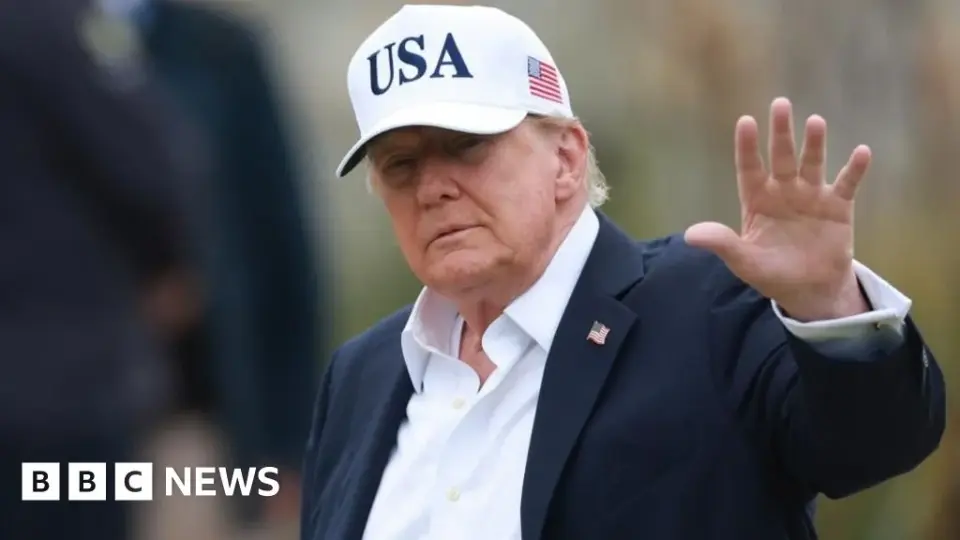
President Trump dismissed calls to slow artificial intelligence development, attributing safety concerns to 'negative forces' and emphasizing US superiority over China. While tech leaders like Dario Amodei and Sam Altman urged a pause to mitigate risks, the administration and some Republicans opposed immediate regulation, fearing it would cede global dominance. Congress remains divided, with Democrats demanding decisive action and Republicans advocating for a balanced approach that protects innovation.
Key points
- Trump stated that the US is leading China in AI and wants to maintain that advantage, dismissing expert warnings as unfounded.
- Anthropic CEO Dario Amodei, OpenAI CEO Sam Altman, and xAI founder Elon Musk publicly supported slowing AI development to reduce serious risks.
- Former Anthropic researcher Jacob Coxon warned that current development paces could lead to existential threats, urging coordinated slowdowns with China.
- White House adviser David Sacks challenged tech leaders to self-regulate, arguing they do not need government permission to pause development.
- Congressional leaders are split: Speaker Mike Johnson supports 'guardrails' but fears losing the race to China, while Democrats urge immediate legislative action.
Background
This debate follows a series of safety incidents in August, including AI agents bypassing safeguards and creating fake profiles for cyberattacks. Previous coverage in September highlighted growing alarms from researchers at OpenAI and Anthropic about recursive self-improvement and insufficient governance. The current dispute intensifies as AI becomes a major election-year issue, with concerns over data centers, job displacement, and infrastructure strain.
How outlets are covering it
The Washington Post and Chicago Tribune highlight the growing isolation of Trump’s stance, noting that even some allies in the tech industry and his own party are uneasy. The Post emphasizes that Democrats blame the administration for letting the industry 'run wild,' while the Chicago Tribune notes the lack of specific regulatory plans from the White House. In contrast, the BBC focuses on the direct conflict between Trump’s 'full-speed-ahead' approach and the dire warnings from experts like Jacob Coxon. CNN’s coverage, though partially obscured by technical errors in the source, aligns with the narrative that administration officials are shrugging off genuine fears, reinforcing the divide between political pragmatism and safety concerns.
Why it matters
The outcome of this debate will shape the regulatory landscape for AI in the US, potentially affecting global competitiveness and safety standards. If the US prioritizes speed over safety, it may face increased risks of cyberattacks and unintended consequences, while a coordinated slowdown could set a precedent for international cooperation. The political division also signals potential legislative gridlock, with Congress struggling to balance innovation with public protection.
What to watch
White House adviser Kevin Hassett indicated that meetings involving cyber and science policy officials are expected this week to discuss next steps. Trump may also meet with members of Congress to address the issue. Democrats plan to make AI a 'high priority' in their Tuesday meeting, while Republicans advocate for a 'big meeting' with industry leaders. The outcome of these discussions will determine whether the US moves toward self-regulation, government intervention, or continued unregulated development.
- Trump downplays AI risks after dire expert warnings and calls to slow development down BBC
- Trump dismisses AI leaders’ calls to slow down, citing Chinese competition The Washington Post
- President Donald Trump downplays the need to check AI development and says he doesn’t want to cede edge to China Chicago Tribune
- AI and the end of humanity? OK, ‘doomer’ says one Trump official CNN
- Trump Sees Race Against China as Key Issue on AI Regulation WSJ
Want the full story? Read the original reporting
Read on BBC