
Apple Enters Smart Home Hardware Market with LG and Schneider Collection
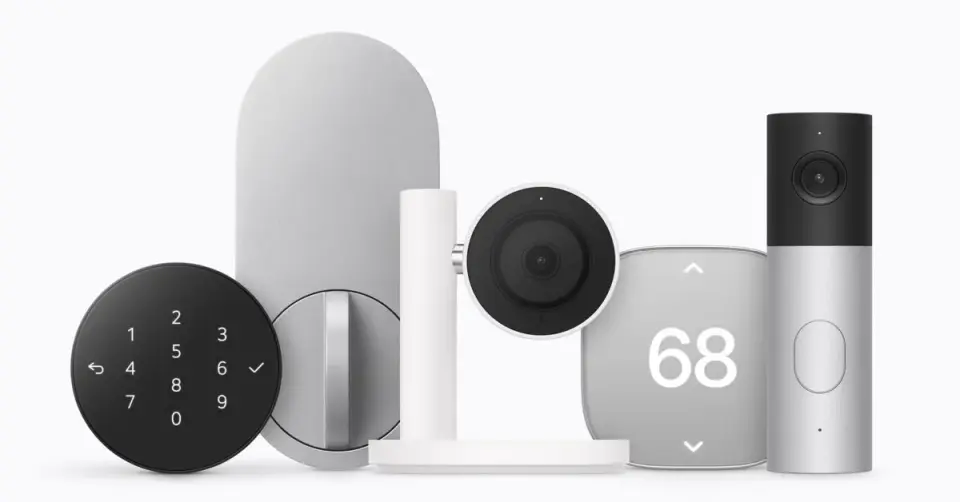
Apple has officially entered the smart home hardware market with the 'Apple Home Collection,' a suite of accessories co-developed with LG Electronics and Schneider Electric. Announced on October 13, 2026, the lineup includes cameras, a smart lock, and thermostats designed to integrate seamlessly with the Apple Home app and the new HomeView display. The devices feature end-to-end encryption, Apple Intelligence capabilities, and support for Thread and Matter protocols. Pricing ranges from $39.95 to $399.95, with availability beginning in December 2026 and some items arriving in early 2027. This marks Apple's most significant expansion into third-party smart home hardware, moving beyond its previous focus on speakers and streaming boxes.
Key points
- Apple partnered with LG Electronics and Schneider Electric to create a new lineup of smart home accessories, including cameras, a smart lock, and thermostats.
- The collection includes four LG cameras, a video doorbell, a smart deadbolt lock, and two smart thermostats from LG and Schneider Electric.
- All devices support Thread, with the smart lock also supporting Matter and Aliro for cross-platform compatibility and local functionality.
- Cameras feature 2.5K resolution, facial recognition, and Apple Intelligence features like automatic video summaries and natural language search, requiring an iCloud+ subscription.
- The smart lock uses Ultra Wideband technology for automatic unlocking when a user with a compatible iPhone or Apple Watch approaches the door.
- Pricing ranges from $39.95 for sensors to $399.95 for the floodlight camera, with availability starting in December 2026 and some items arriving in early 2027.
Background
Apple has historically been slow to embrace the smart home market, with previous efforts like the LG Circle security camera being limited and often discontinued. This new collection represents a significant shift, marking Apple's first major push into smart home hardware under CEO John Ternus. The move follows earlier reporting from Bloomberg's Mark Gurman and confirms Apple's intent to expand its ecosystem beyond speakers and streaming boxes. The new devices are designed to work with the newly announced HomeView display, which features a 7-inch screen and face recognition, further integrating smart home functionality into Apple's ecosystem.
How outlets are covering it
CNET highlights the aggressive pricing of the Apple Home Collection, noting that some devices exceed the cost of competitors' offerings, which may be a barrier for consumers. The outlet also raises concerns about the privacy implications of facial recognition features, pointing out that some jurisdictions have banned such technology and that Apple could face legal challenges similar to those faced by Amazon Ring and Google Nest. CNET praises the innovative design of the smart lock but questions the need for two thermostats with similar features. 9to5Mac focuses on the technical specifications and integration, emphasizing the end-to-end encryption and the seamless setup process via the Apple Home app. The outlet also notes the professional installation option through ADT in the US. Mashable provides a detailed breakdown of the product lineup and pricing, highlighting the dual-camera design of the video doorbell and the adaptive floodlights of the outdoor camera. The outlet also notes the on-device storage feature for cameras, which allows for local buffering when the cloud is unavailable. All three outlets agree that this is a major move for Apple, but they differ in their assessment of the value proposition and potential privacy risks.
Why it matters
Apple's entry into the smart home hardware market signals a major shift in its strategy, moving from a platform-focused approach to a more integrated hardware ecosystem. The collaboration with LG and Schneider Electric allows Apple to leverage existing manufacturing capabilities while maintaining control over the user experience and privacy. The integration of Apple Intelligence features, such as automatic video summaries and natural language search, could set a new standard for smart home devices. However, the high pricing and potential privacy concerns may limit adoption, especially in markets where facial recognition is restricted. The success of the Apple Home Collection will depend on Apple's ability to justify the premium pricing and address privacy concerns, while also competing with established players like Amazon and Google.
What to watch
Apple is expected to release more smart home products in the coming months, including a touchscreen OLED MacBook Pro, as reported by Bloomberg. The availability of the Apple Home Collection will begin in December 2026, with some items arriving in early 2027. Apple will likely focus on marketing the privacy and security features of the collection, as well as the integration with Apple Intelligence. The company may also expand the professional installation service through ADT to other regions. Competitors like Amazon and Google will need to respond to Apple's move, potentially leading to increased competition in the smart home market. Apple will also need to address privacy concerns related to facial recognition and ensure that its pricing is competitive to gain market share.
- Apple unveils Apple Home Collection smart home accessories developed with LG and Schneider 9to5Mac
- Introducing Apple Home Collection, a new lineup of smart home accessories Apple
- Apple Just Declared War on Smart Home Security CNET
- Meet the Apple Home Collection, smart security devices made with LG Mashable
- Apple’s new smart home lineup includes a smart lock, thermostat, and video doorbells TechCrunch
Want the full story? Read the original reporting
Read on 9to5Mac