
Apple Reverses Course on Mac Mini Storage, Soldering SSDs in M6 and M5 Pro Models
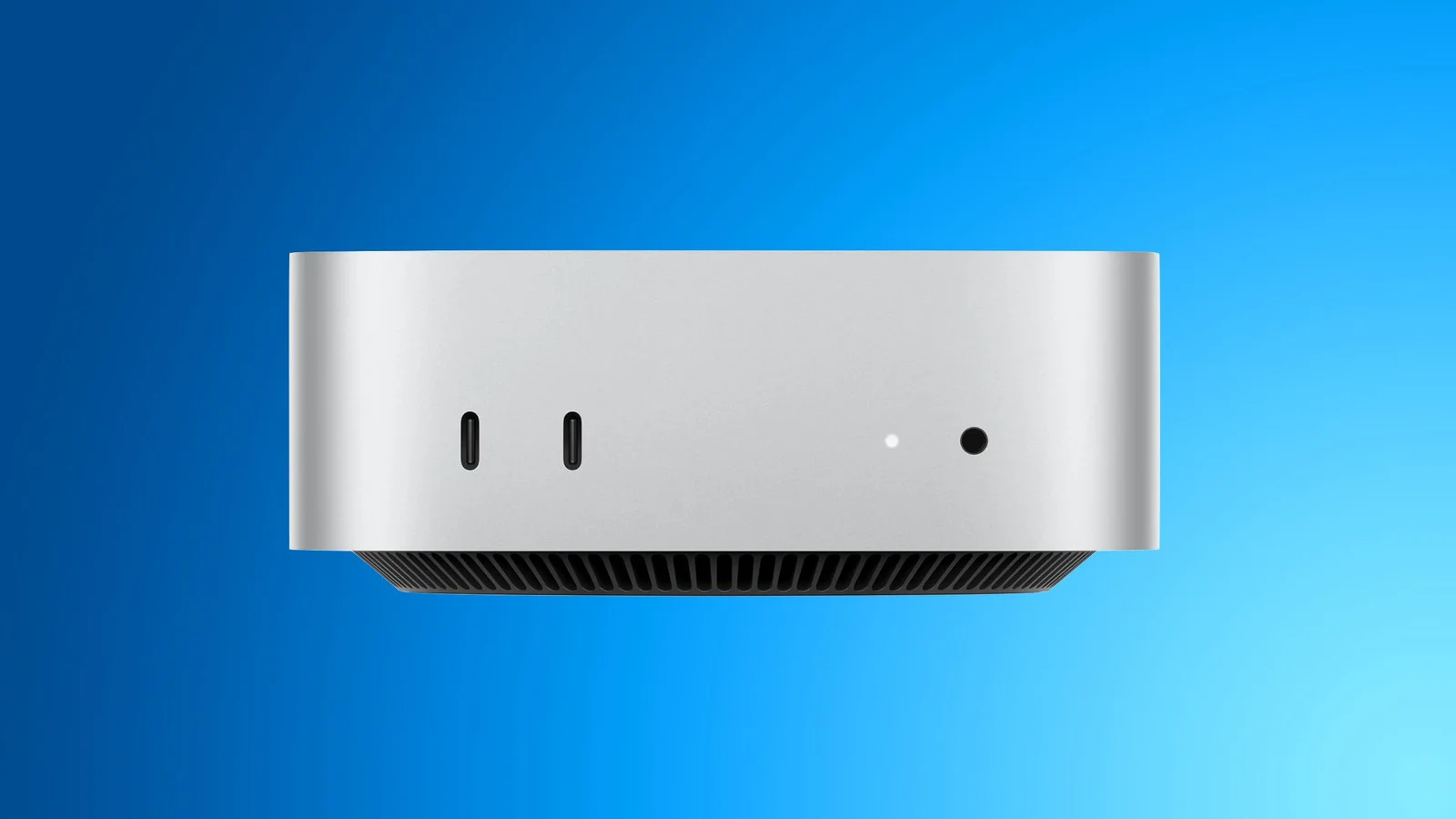
Apple’s new Mac mini models featuring the M6 and M5 Pro chips have reverted to soldered NAND storage, eliminating the removable SSD option available in the previous M4 generation. This change prevents users from installing aftermarket storage upgrades, a practice that was possible with the M4 model. Additionally, the 256GB configurations now use a single NAND chip rather than a pair, resulting in significantly slower read and write speeds compared to 512GB or larger models. While the Mac Studio retains replaceable SSD modules, the Mac mini’s storage is now permanently fixed at purchase, mirroring the design of earlier M1 and M2 models.
Key points
- The M6 and M5 Pro Mac mini models feature soldered NAND storage, making internal SSD upgrades impossible.
- The previous M4 Mac mini allowed for removable SSDs, enabling third-party upgrades that saved users money.
- 256GB Mac mini configurations now use a single NAND chip, resulting in read and write speeds roughly half that of 512GB models.
- The Mac Studio retains replaceable SSD modules, though they are model-specific and not standard off-the-shelf M.2 drives.
- Apple has not commented on the reversal, but the change aligns with the design of earlier M1 and M2 Mac mini models.
Background
Apple announced the new Mac mini and Mac Studio lineups in August 2026, with availability set for late September. The M4 Mac mini, released in 2024, was notable for its removable SSD, which allowed users to install third-party storage modules at a lower cost than Apple’s official upgrades. This change was seen as a significant departure from Apple’s traditional soldered storage approach. The new M6 and M5 Pro models reverse this trend, returning to soldered storage, which limits user flexibility and increases the cost of higher-capacity configurations.
How outlets are covering it
MacRumors and The Verge both highlight the return to soldered storage as a significant setback for users seeking upgradeability. MacRumors emphasizes the performance impact of the single NAND chip in 256GB models, noting that speeds are roughly half those of 512GB models. AppleInsider points out that while the Mac mini’s storage is now soldered, the Mac Studio still allows for SSD replacement, albeit with model-specific modules. freeyork.org focuses on the price implications, noting that third-party upgrades for the M4 were significantly cheaper than Apple’s official options, a benefit that is now lost for the new models. All sources agree that the change is a reversal of the M4’s more flexible design, with no official comment from Apple on the decision.
Why it matters
The shift to soldered storage in the Mac mini affects users who value upgradeability and cost-effectiveness. The inability to install aftermarket SSDs means that users must purchase higher-capacity storage from Apple at a premium, as third-party options are no longer viable. Additionally, the slower speeds in 256GB models may impact performance for power users, who may need to opt for 512GB or larger configurations to achieve optimal SSD speeds. This change also has implications for repairability and e-waste, as soldered components are harder to replace and may lead to shorter device lifespans.
What to watch
Apple has not announced any plans to change the soldered storage design in future Mac mini models. Users interested in upgradeability may need to consider the Mac Studio, which still allows for SSD replacement, though with model-specific modules. Third-party companies may continue to explore workarounds, but the current design makes such upgrades difficult. Apple’s official repair documentation for the Mac mini currently only includes a specifications sheet, with no details on SSD replacement, suggesting that the soldered design is likely to remain in future models.
- New Mac Mini Has Two Storage Downsides, Including Unremovable SSD MacRumors
- Changing SSD storage in Mac Studio is possible while Mac mini loses the option AppleInsider
- Apple is once again soldering the Mac mini’s SSD preventing aftermarket upgrades. The Verge
- Apple’s new Mac mini drops SSD module support from its repair list The Mac Observer
- Latest M6 Mac Mini Reverts to Soldered Storage, Limiting Upgrade Options freeyork.org
Want the full story? Read the original reporting
Read on MacRumors