
Apple’s iPhone Duo Uses a Hinge-Buried Graphite Pipe to Manage Heat in Foldable Design
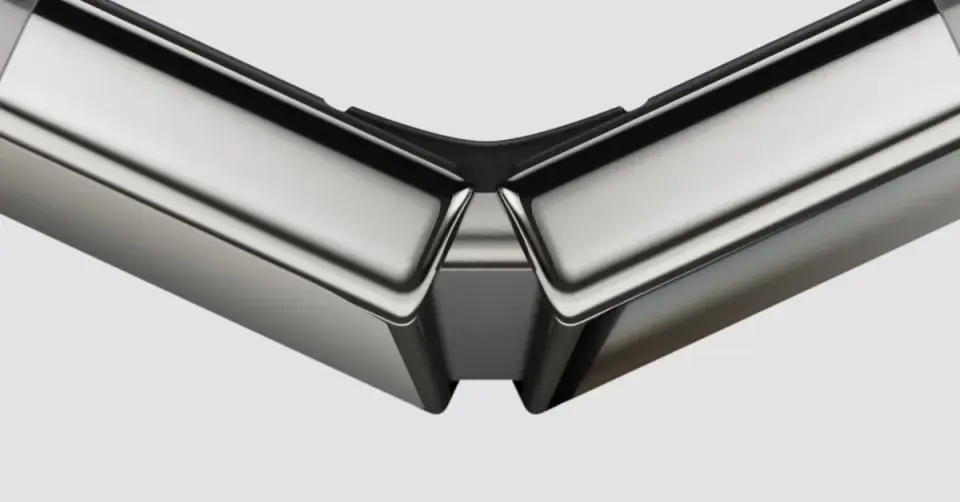
Apple’s first foldable smartphone, the iPhone Duo, utilizes a unique thermal solution to manage heat generated by its new A20 Pro chip. Because the device doubles in thickness when closed, standard cooling methods are insufficient. Apple engineers routed a flexible graphite pipe through the hinge to transfer heat between the two halves of the device, increasing the surface area available for dissipation. This innovation is part of a broader redesign of Apple’s thermal architecture, which includes a new vapor chamber and a 'metal over foam' interface material, ensuring the phone maintains high performance during sustained workloads like gaming and on-device AI processing.
Key points
- The iPhone Duo features a flexible graphite pipe embedded in its hinge to transfer heat between the two halves of the device, addressing the thermal challenges of a foldable form factor that doubles in thickness when closed.
- Apple’s A20 Pro chip, built on a 2nm process, powers the iPhone 18 Pro, 18 Pro Max, and iPhone Duo. The Duo version includes a second display engine to support simultaneous operation of inner and outer screens.
- Apple replaced the traditional vertical 'package-on-package' design with a wafer-level multichip module (WMCM), placing DRAM beside the processor rather than on top. This change, inspired by Mac laptop designs, improves data speeds and creates a direct thermal path to the vapor chamber.
- The new thermal system includes a vapor chamber with three times the surface area of the previous generation, a 'metal over foam' coupling material, and a nanotwin copper display plate to enhance heat dissipation.
- Apple claims these thermal improvements result in 35% higher sustained GPU performance compared to the iPhone 17 Pro, enabling smoother performance for gaming, video recording, and Apple Intelligence features.
Background
Apple’s iPhone Duo is set to launch on October 23, 2026, with pre-orders beginning on October 16. The device is priced at $1,999. Earlier reports highlighted Apple’s focus on the hinge’s durability and the matte inner screen designed to minimize visible creases. The A20 Pro chip is Apple’s first 2nm design for iPhones, following the M6 chip in the Mac mini. The iPhone Duo’s thermal challenges are distinct from the slab-style iPhone 18 Pro models, requiring a different vapor chamber design that floats in the middle rather than serving as a central structural plane.
How outlets are covering it
Both 9to5Mac and PCMag highlight the innovative use of the hinge for thermal management, citing interviews with Apple’s Dan Murray and Banafsheh Barabadi. PCMag provides a more detailed breakdown of the four pillars of Apple’s new thermal design, including the WMCM packaging, 'metal over foam' material, and nanotwin copper display plate. 9to5Mac focuses more on the specific challenge of the foldable form factor and the co-engineering required between the thermal and mechanical teams to ensure the graphite pipe survives many hinge cycles. Both outlets agree that the thermal improvements are critical for maintaining performance in a device that is ultra-thin when open but doubles in thickness when closed.
Why it matters
The iPhone Duo’s thermal engineering represents a significant advancement in mobile device design, particularly for foldable smartphones. By integrating heat dissipation into the hinge, Apple addresses a key limitation of foldable devices, which often struggle with heat management due to their complex internal structures. This innovation not only ensures better performance for the iPhone Duo but also sets a precedent for future foldable devices from other manufacturers. The success of the A20 Pro chip in managing heat while delivering high performance could influence the design of future Apple silicon and potentially other smartphone chips.
What to watch
PCMag plans to test the A20 Pro chip in the iPhone Duo in the coming weeks to verify Apple’s claims about sustained performance and thermal management. The iPhone Duo is set to launch on October 23, 2026, with pre-orders beginning on October 16. Apple’s focus on thermal engineering may also influence the design of future iPhone models and other Apple devices, as the company continues to push the boundaries of performance and efficiency in its silicon designs.
- The iPhone Duo’s cooling system hides a clever trick inside its hinge 9to5Mac
- Exclusive: Apple Routed a Graphite Pipe Through the iPhone Duo’s Hinge. Here’s Why PCMag
- Where Apple focused engineering so the iPhone Duo could have desktop-like performance AppleInsider
- Apple hid a cooling secret inside the iPhone Duo’s hinge, and it could keep your foldable from overheating Digital Trends
Want the full story? Read the original reporting
Read on 9to5Mac