
Binance Reveals Multi-Stage Hack: Fake Interviews and Malware Led to $6.3B Theft
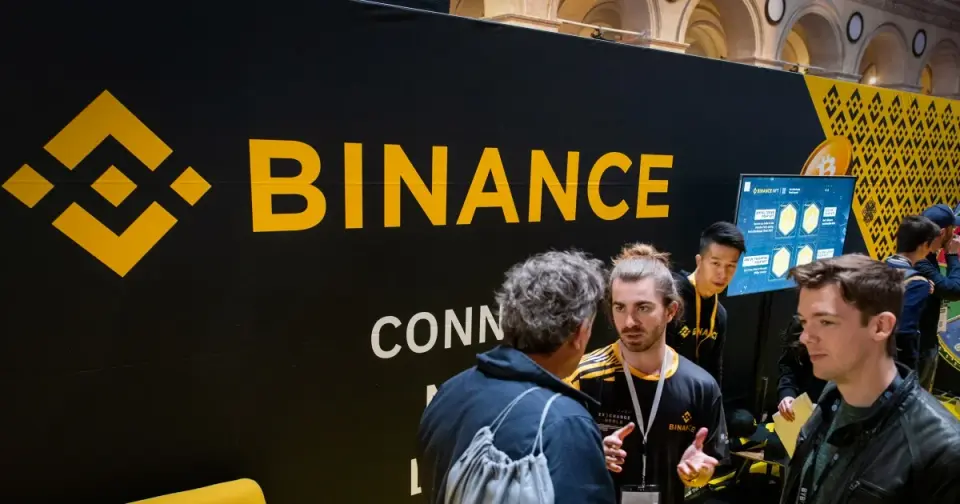
Binance disclosed that a $6.3 billion theft resulted from a months-long campaign involving fake job interviews and malware, not a single breach. Attackers compromised employees in June and September before using internal AI tools to steal funds on October 29. The FBI attributes the hack to North Korea, which denies involvement. Binance has replenished 98% of affected assets and is recovering the remainder.
Key points
- The attack began in June when an engineer downloaded a tampered AI coding tool, exposing the wallet team's structure to hackers.
- In September, a second engineer downloaded malware during a fake job interview, including a video call with a fictitious CEO.
- On October 20, attackers used compromised devices and an internal AI tool to control two more employees' systems.
- The theft occurred on October 29, draining $6.3 billion in approximately 20 minutes.
- Binance has replenished 98% of affected assets and pledged to cover all customer losses via its Secure Asset Fund for Users.
Background
This incident follows earlier reports of a $6.3 billion breach attributed to North Korean hackers, specifically the TraderTraitor unit. Previous coverage noted that stablecoin issuers froze nearly half the stolen assets, while Binance suspended withdrawals temporarily before restoring them. The broader context includes rising concerns over regulatory gaps in the crypto sector compared to traditional financial institutions.
How outlets are covering it
NBC News and The Washington Post emphasize the sophistication of the social engineering, highlighting the fake job interview as a key vector. Yahoo Finance notes that Binance co-CEO Richard Teng described the attack as 'complex,' involving a self-destruct mechanism to erase traces. While the FBI and third-party security firms attribute the hack to North Korea, the country has denied involvement, with Kim Yo Jong accusing the US of 'blindly linking' the crime to her nation. All sources agree that the breach was not a single mistake but a multi-stage campaign, though they differ in emphasis on the specific technical steps, such as the use of internal AI tools versus the initial malware download.
Why it matters
This is the largest crypto heist in history, exposing critical vulnerabilities in how major exchanges secure their infrastructure against sophisticated state-sponsored attacks. The incident underscores the risks of social engineering and the potential for AI tools to be weaponized by attackers. It also highlights the financial resilience of Binance, which has committed to covering all customer losses, potentially setting a precedent for how exchanges handle large-scale breaches in the future.
What to watch
Binance is increasing investments in AI-enabled detection and establishing a security research fund. The company is working to recover the remaining 2% of affected assets. Regulators may scrutinize the incident to determine if new oversight is needed for crypto exchanges, given the lack of strict insurance requirements compared to traditional Wall Street firms. North Korea's denial of involvement may lead to further diplomatic tensions with the US and other countries accusing it of cybercrime.
- Binance says hackers used fake job interview to breach computer before $6.3 billion attack NBC News
- Fake job interviews helped hackers pull off Binance’s record crypto heist Yahoo Finance
- Binance hackers used fake job interview in $6.3 billion attack Reuters
- How malware and a bogus job interview let attackers nab $6.3B from Binance The Washington Post
- North Korea used LinkedIn, fake job interviews to trick Binance engineer in $6.3 billion hack Fortune
Want the full story? Read the original reporting
Read on NBC News