
Google confirms Samsung and WhatsApp excluded from new 3D emoji rollout
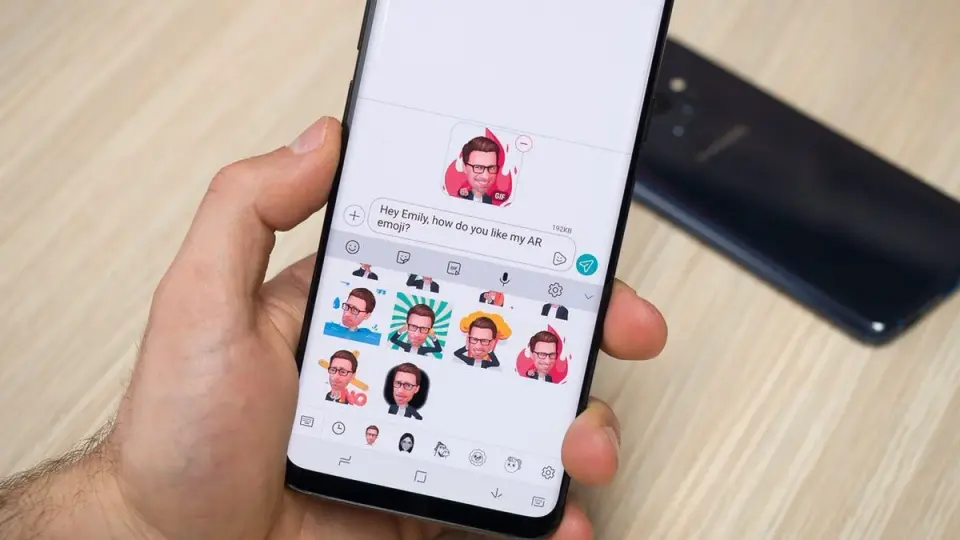
Google has officially confirmed that Samsung devices and third-party apps like WhatsApp will not support the new Noto 3D Emoji set. The update, which debuted on the Pixel 11 series, requires Android 17, 6GB of RAM, and 128GB of storage with 10GB free. Samsung is excluded because it uses a proprietary emoji font, while WhatsApp relies on its own system. The high hardware requirements mean many budget Android phones will also miss out on the feature.
Key points
- Google’s support page explicitly states that Samsung devices do not receive the 3D font update due to their proprietary emoji system.
- The Noto 3D Emoji set requires Android 17, a minimum of 6GB RAM, and 128GB total storage with at least 10GB available.
- Third-party applications, including WhatsApp, cannot display the new emojis because they utilize their own distinct font libraries.
- The update is currently rolling out to select partners such as Nothing, Lenovo, Xiaomi, and Motorola, but excludes Samsung entirely.
- The new emojis use high-resolution bitmap graphics rather than vector-based 2D graphics, which increases storage and processing demands.
Background
In October 2026, the Samsung Galaxy S26 Ultra was recognized as a top invention for its Privacy Display feature, despite facing price volatility and competition from Apple’s new foldable iPhone. Recent Black Friday promotions have seen the S26 Ultra’s price drop to $1,000 at some retailers, though it remains higher than the previous generation’s S25 Ultra. This exclusion from the 3D emoji update highlights a growing software fragmentation within the Android ecosystem, where Samsung maintains its own visual identity separate from Google’s open-source Noto standards.
How outlets are covering it
PhoneArena emphasizes the disappointment for Samsung users but notes that Samsung’s existing 3D emojis are visually acceptable, warning that cross-device messaging may result in broken symbols. Android Police highlights the surprisingly high system requirements, noting that the bitmap-based nature of the new emojis can appear blurry when zoomed in, a flaw not present in older vector graphics. Android Authority points out that the exclusion is understandable given Samsung’s proprietary font but notes that the high hardware requirements may exclude many budget devices, especially as some manufacturers reduce RAM in 2027 models due to memory costs. The Verge focuses on the technical constraints, citing Google’s explanation for the demanding specs. All sources agree that the exclusion is permanent for Samsung and WhatsApp, but they differ on whether the high hardware barriers are a significant barrier for the broader Android market.
Why it matters
The exclusion of Samsung and major messaging apps from Google’s new emoji standard highlights the fragmentation of the Android ecosystem. While Google promotes open-source fonts, proprietary implementations by major OEMs and app developers create inconsistent user experiences. The high hardware requirements for the 3D emojis may also limit adoption to flagship devices, potentially widening the gap between premium and budget Android phones in terms of software features and visual fidelity.
What to watch
Google will continue rolling out the Noto 3D Emoji to supported manufacturers and devices running Android 17 that meet the hardware specifications. Samsung is expected to maintain its proprietary emoji font for the foreseeable future, as no alternative update path has been announced. Users on compatible devices will receive the update automatically via Wi-Fi and charging, with no manual download option available. The lack of support in apps like WhatsApp means users will continue to see different emoji styles depending on the platform they are using.
- Even the Galaxy S26 Ultra won't get Google's new 3D emoji PhoneArena
- Android’s 3D emoji have surprisingly demanding system requirements. The Verge
- Your Android phone needs surprisingly beefy specs for Google's new emoji Android Police
- Samsung Galaxy phones won’t get Google’s 3D emoji, Google confirms Android Authority
- Google says 3D Android emoji need 10GB of free storage and 6GB RAM Mezha.net
Want the full story? Read the original reporting
Read on PhoneArena