
Pixel 11 series offers polished refinement but faces criticism for minor hardware regressions
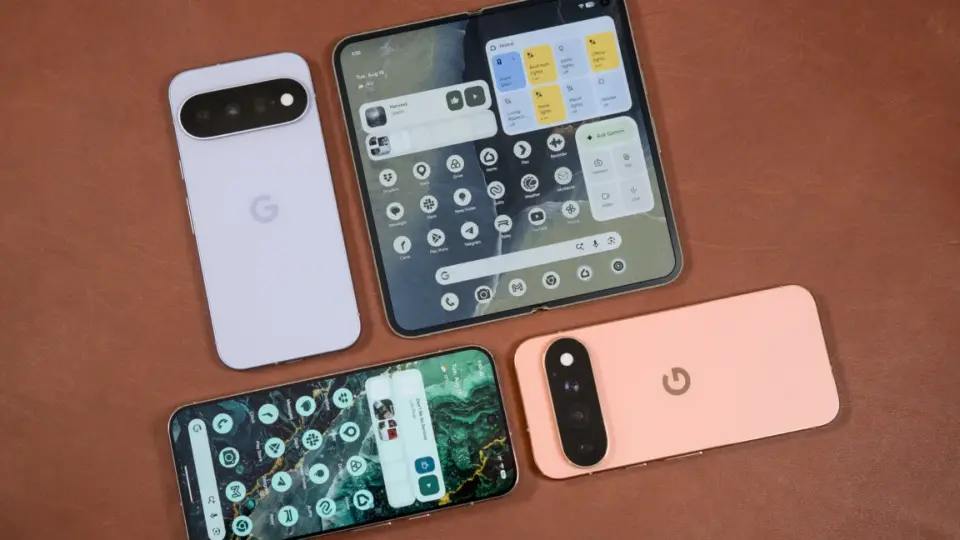
Google's Pixel 11 lineup, launched in August 2026, features the Tensor G6 chip and Android 17 but is criticized for minimal hardware changes, reduced RAM in base models, and smaller batteries. While praised for excellent cameras and software, the series is seen as a safe iteration that struggles to justify upgrades over previous models.
Key points
- The Pixel 11 series includes four models: Pixel 11 ($899), Pro ($1,099), Pro XL ($1,299), and Pro Fold ($1,899), all running Android 17 and the Tensor G6 chip.
- Hardware changes are minimal, with the same design language as previous generations; the base model retains 12GB RAM, a step down from previous 16GB base configurations.
- Batteries are slightly smaller across the lineup, yet Google claims similar battery life of 24-30 hours; the Pro XL now supports 45W wired charging.
- New AI features include 'Rambler' for voice transcription and 'Magic Capture' for automated photography, though critics note these often require narrow use cases.
- The 'HiLight' LED notification feature is widely criticized for limited functionality, only working when the phone is face down and tied to Gemini interactions.
Background
Google launched the Pixel 11 series in August 2026, following pre-orders that included gift card incentives and trade-in bonuses. The lineup was positioned against competitors like Samsung's Galaxy Z Fold 8, with Google emphasizing software support and camera capabilities despite hardware stagnation.
How outlets are covering it
Ars Technica argues the Pixel 11 series is 'boring' and regressive in hardware, with smaller batteries and less RAM, but still offers excellent cameras and software. The New York Times questions the demand for AI-heavy features, noting that while Gemini can automate tasks, users may not want such intrusive assistance. The Verge praises the Pixel 11 Pro's build quality and camera features but criticizes 'HiLight' and 'Proactive Assistance' as underwhelming, suggesting the phone's value lies in its core performance rather than flashy AI additions.
Why it matters
The Pixel 11 series highlights Google's strategy of prioritizing software and AI over hardware innovation, raising questions about consumer demand for AI-driven smartphones and the value of incremental upgrades in a competitive market.
What to watch
Google plans to add more features to 'HiLight' and expand AI automation across apps, while Assistant is set to shut down in favor of Gemini. Future updates may address the limited functionality of current AI features and improve hardware performance.
- Google Pixel 11 series review: Is the magic fading? Ars Technica
- Google’s New Pixel 11 Comes With Plenty of A.I., but It’s Not Very Helpful The New York Times
- The Pixel 11 Pro is a great phone, no thanks to its flashiest new features The Verge
- I Can’t Stop Rambling to My Pixel 11 Pro wired.com
- I really want to love the Pixel 11 Pro Fold, but it’s not off to the best start 9to5Google
Want the full story? Read the original reporting
Read on Ars Technica