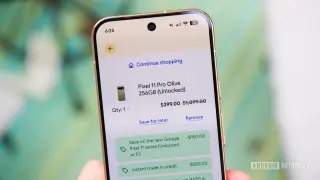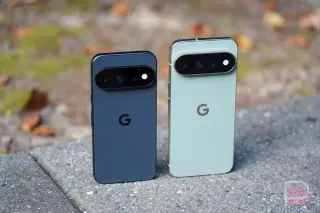
Android Authority explains how the Pixel 11 Pro (MSRP $1,099) can be bought for roughly $159 out of pocket after stacking four promos: a Google Store trade‑in credit (up to $600 off), a $150 coupon, $200 Google Store credit, and an extra 10% Google Store credit from Google One, with the promos expiring August 27 and the final price including tax.
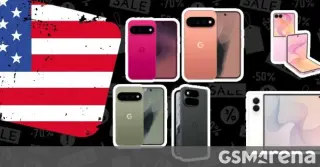
Amazon is rolling out a wave of Pixel 11 series deals with sizable trade-in bonuses and gift cards: Pixel 11 ($324 trade-in), Pixel 11 Pro/Pro XL ($425 trade-in), and Pixel 11 Pro Fold ($425 trade-in plus a choice of a $350 Amazon Gift Card or a Pixel Watch 5). The Pixel Watch 5 itself has no perks. Samsung’s Galaxy A37 and A57 receive discounts, Nothing Phone (3) and (4a) Pro show price cuts, and Galaxy Z Fold8/Ultra/Flip8 bundles combine gift cards with trade-ins. Look for the Galaxy S26 FE reveal next Thursday, with no strong offers yet for the S25 FE.
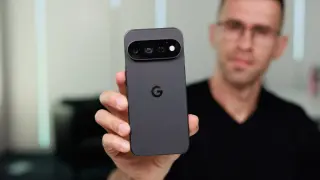
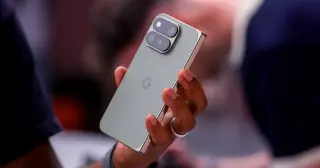
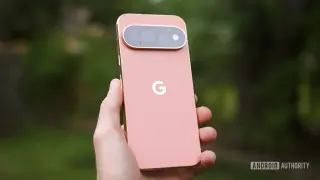
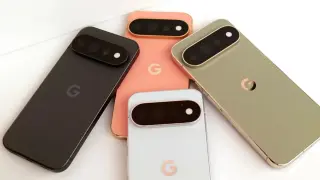
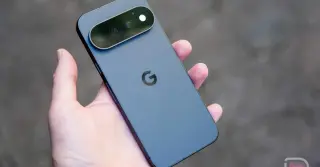
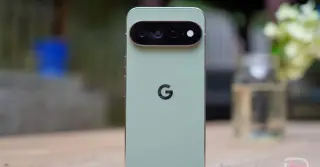
Google’s Pixel 11 lineup kicks off with base Pixel 11 at $899, Pixel 11 Pro at $1,099, and Pixel 11 Pro XL at $1,299 (all starting with 256GB). Across T-Mobile, Verizon, AT&T, Amazon, Best Buy, Google Store, and Xfinity Mobile, launch promos can make these devices essentially free or deeply discounted through new lines or trade-ins, plus promo gift cards (up to $200 at some retailers) and up to six months of Google AI Pro. The phones run the Tensor G6 with seven years of updates, and the Pro/XL models feature new HiLight LED lighting around the camera bar.
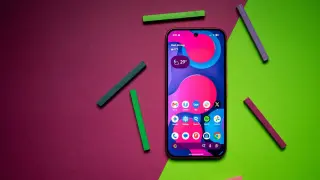
Google's Pixel 11 gains a refreshed Screen Saver with a new Charge option that shows battery status and charging type, plus expanded Everyday Clock styles (six digital and three analog) and broader layout/theme controls. Users can enable multiple screen savers and switch between them via swipe or long-press; ensure the device has the out-of-the-box firmware update and the Dreams app update on Google Play.
Google's Pixel 11 series is now officially on sale in many regions (with foldables limited in some markets); the article lists country launches and compares 11-series pricing to the Pixel 10 across the US, Canada, EU, and UK, notes that the Pixel Watch 5 is launching alongside, mentions carrier deals, hands-on impressions, and teases Google's September 15 event for Googlebooks and Android-powered laptops.
Google confirms Android 17’s Pause Point, a Digital Wellbeing tool that pauses for 10 seconds before opening distracting apps, is currently exclusive to Pixel 11 devices; official support pages show limited availability, and while a YouTube preview mentions “select Android 17 devices” with an opt-in, there’s no timeline for broader availability—non‑Pixel users can still explore other methods to curb distractions.
Pixel 11 series introduces customizable vibration patterns for ringtones and notifications (Heartbeat, Gears, Rattlesnake, Pulse, and more) and lets you assign a specific vibration to individual contacts for caller ID without looking at the screen.
Google’s Pixel 11 lineup uses smaller batteries but higher efficiency (Tensor G6 and a new MediaTek modem) to deliver 30+ hours of use, narrowing the gap with last year’s models. The Pixel 11 has a 4985mAh battery with 25W wireless charging and ~55% charge in 30 minutes; Pro and XL sizes are 4850mAh and 5115mAh, with Pro XL charging up to ~75% in 30 minutes. Real-world testing shows around 3–4 hours of screen-on time on the Pro and about 3 hours on the XL, with a typical day ending at 10–20% on the regular Pixel 11; Extreme Charging mode accelerates top-ups below 50%. Battery life varies with usage (e.g., wireless Android Auto can drain more). Full reviews are coming next week.
Google's Pixel 11 series is a polished, mostly incremental upgrade: refined design and top-tier OLED displays, improved but not game-changing cameras with new Camera Looks and on-device AI (Gemini) integration, and solid software support, but hardware changes are modest (lower RAM on base models, smaller batteries, heavier foldable). The Pixel 11 Pro XL adds 45W charging; HiLight LED remains a largely underwhelming feature. Performance is strong in daily use but lags in benchmarks, and upgrade for Pixel 10/9 owners isn’t essential. The foldable competes with Samsung/Motorola but remains heavier and less compelling. Overall, strong phones, but the magic may be fading.
Android Authority argues the Pixel 11 line abandons Pixel’s historic value by raising prices (base Pixel 11 to $899, Pro/Pro XL and Fold higher), erasing the long‑standing value edge as Samsung and Apple push similar flagship pricing. The piece notes the overall cost pressure from RAM shortages and the AI boom, suggests Google could have absorbed more costs to keep Pixel affordable, and warns that pricier Pixels reduce consumer options even as features like HiLight and software updates continue.
Google's Pixel 11 pre-orders are shipping ahead of the August 20 launch, with many orders showing Aug. 20 delivery and others still in 'Preparing shipment'; Google uses UPS or FedEx depending on location, and free shipping often hits launch dates, though estimates aren't reliable until the carrier has the package.
T-Mobile is offering the Google Pixel 11 (and the Pixel 11 Pro/Pro XL) for free on select legacy and Essentials plans via a trade-in promo that accepts damaged devices, with up to four devices per account and a $900 credit applied over 24 or 36 months. The deal also stacks with Costco perks (waived $35 device connection charge and a $100 Costco gift card after 90 days). Eligibility appears targeted but is generally accessible by checking the Pixel 11 listing in the T-Mobile site or T-Life app. The promo requires a commitment of about two years with T-Mobile, so consider future plans before jumping in.
At a $899 starting price with 256GB/12GB RAM, the Google Pixel 11 and Samsung Galaxy S26 push Android flagships in different directions: Pixel uses Google's Tensor G6 while Galaxy runs the Snapdragon 8 Elite Gen 5 for Galaxy, with Galaxy generally edging Pixel in CPU performance, gaming, and battery life. Both sport a 6.3-inch 120Hz display (Pixel OLED vs Galaxy AMOLED) and identical RAM/storage, but the Pixel is heavier (larger battery at 4,985 mAh vs Galaxy’s 4,300 mAh). Camera setups are similar (four cameras including a selfie cam): Pixel 11 has a 48MP main vs Galaxy’s 50MP, ultrawide 13MP vs 12MP, tele 10.8MP vs 10MP, and selfies 10.5MP vs 12MP. A key difference is video: Galaxy S26 records in 8K, while Pixel maxes at 4K. Software features—Pixel’s Camera Looks and Magic Capture versus Galaxy AI photo-editing tools—may ultimately matter more than raw specs. The Pixel 11 is currently in pre-order; Galaxy S26 has been out for months with possible discounts, and both models may price similarly once the Pixel hits stores.
Google’s new Camera Looks photo styles produce a distinct, non‑“ smartphone” look by processing image data at the sensor level, but the feature is currently limited to the Pixel 11 lineup with Google saying updates are only on the latest devices for now, leaving open the possibility of later support for older Pixel phones.
The Google Play Store’s Play Points Perks page hides discounts on Pixel 11 phones and Pixel Watch 5 in the US. Platinum members reportedly get $150 off the Pixel 11 or Pixel 11 Pro, $175 off the Pixel 11 Pro Fold, and $75 off the Pixel Watch 5, via discount codes to apply at checkout before August 30. The deals can stack with trade-in discounts.