
Delta’s weight-and-balance system failure triggers nationwide delays during Thanksgiving rush
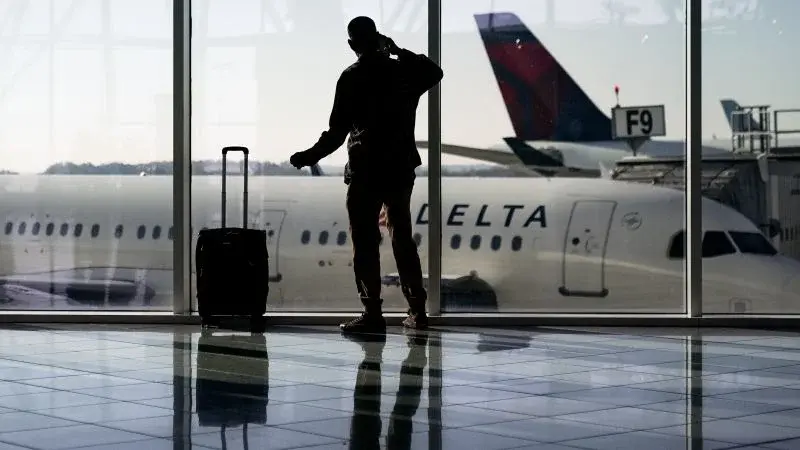
Delta Air Lines faced nationwide flight delays on November 22, 2026, after a failure in its Automated Load Instruction System (ALIS) disrupted weight and balance calculations. The Federal Aviation Administration (FAA) initially issued a ground stop at Hartsfield-Jackson Atlanta International Airport, later downgrading it to a ground delay that ended around 11:30 a.m. ET. Delta crews used manual workarounds to ensure safe departures while engineers worked to restore automation. The incident occurred during the peak Thanksgiving travel period, when over four million passengers are expected to pass through Atlanta, the world’s busiest airport. While the FAA confirmed the issue was unrelated to federal air traffic systems, the disruption caused significant ripple effects, with FlightAware data showing approximately 45% of Delta flights delayed by 2:00 p.m. ET. This follows a recent nationwide ground stop caused by an outdated copper wire, highlighting ongoing infrastructure vulnerabilities in the aviation sector.
Key points
- Delta’s ALIS system failure forced the airline to use manual weight and balance calculations for departures.
- The FAA downgraded a ground stop at Atlanta’s Hartsfield-Jackson airport to a ground delay, which ended by 11:30 a.m. ET.
- The disruption coincided with the start of the Thanksgiving travel rush, with over four million travelers expected at Atlanta’s hub.
- FlightAware reported that about 45% of Delta flights were delayed as of 2:00 p.m. ET, with average delays averaging 57 minutes.
- The FAA confirmed the issue was specific to Delta’s internal systems and not related to federal air traffic control infrastructure.
Background
This incident occurs just one week after a nationwide ground stop caused by an outdated copper wire at a remote location, which had already disrupted travel for several days. Delta recently lowered its 2026 profit outlook due to a 60% spike in jet fuel costs, though CEO Ed Bastian maintained that holiday demand remains robust. The airline had also experienced a minor system outage on November 16 affecting fewer than 150 flights, which was deemed unrelated to cybersecurity or FAA equipment. The current disruption highlights the critical reliance on automated systems for pre-departure safety checks, particularly during high-volume travel periods.
How outlets are covering it
CNN and WSB-TV emphasize the operational response, noting that Delta teams are using manual workarounds to safely depart flights while working to restore automation. WSB-TV highlights that the FAA downgraded the initial ground stop to a ground delay, with an estimated duration through 1:00 p.m. ET. FOX 5 Atlanta focuses on the immediate impact on passengers, reporting 364 total delays at Atlanta’s airport, including roughly 200 inbound and 164 departing flights. While all sources agree on the cause being a Delta-specific system failure, CNN notes the broader context of recent nationwide disruptions, whereas FOX 5 highlights individual traveler experiences, such as passengers arriving early to avoid delays. The FAA consistently attributes the issue to Delta’s internal systems, not federal air traffic control, across all outlets.
Why it matters
The incident underscores the fragility of aviation infrastructure during peak travel seasons, where a single system failure can cascade into nationwide delays. It highlights the critical role of automated weight and balance calculations in ensuring flight safety and the operational challenges airlines face when relying on manual workarounds. The timing, coinciding with the Thanksgiving rush, exacerbates the impact on millions of travelers and could affect Delta’s financial performance, already strained by rising fuel costs. The FAA’s clarification that the issue is not related to federal systems helps contain public concern but points to the need for more robust airline-specific technology resilience.
What to watch
Delta is expected to continue using manual workarounds until the ALIS system is fully restored, with ongoing efforts to mitigate congestion at Atlanta’s hub. The FAA will monitor the situation to ensure no further ground stops are necessary, while Delta may face increased scrutiny on its technology infrastructure. Passengers are advised to check with Delta for updates, as lingering delays may persist into the afternoon. The airline may also review its contingency plans for system failures to prevent similar disruptions in the future, particularly during high-demand travel periods.
- Delta Air Lines flights delayed nationwide, snarling holiday travel after carrier computer problems CNN
- Atlanta’s Airport Has Massive Flight Delays. Expect More Tech ‘Glitches,’ Clayton Says. Barron's
- Delta delays ‘not related to any FAA air traffic systems,’ administration says WSB-TV
- Delta Air Lines automation issue triggers hundreds of Thanksgiving travel delays in Atlanta FOX 5 Atlanta
- Delta system issue causes flight delays in Grand Rapids, nationwide MLive.com
Want the full story? Read the original reporting
Read on CNN