Tag

Aviation Technology

All articles tagged with #aviation technology

Delta’s weight-and-balance system failure disrupts Thanksgiving travel at Atlanta hub

Delta’s weight-and-balance system failure disrupts Thanksgiving travel at Atlanta hub

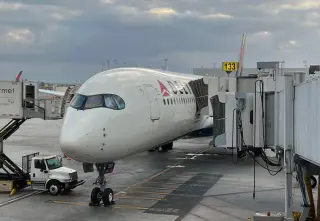
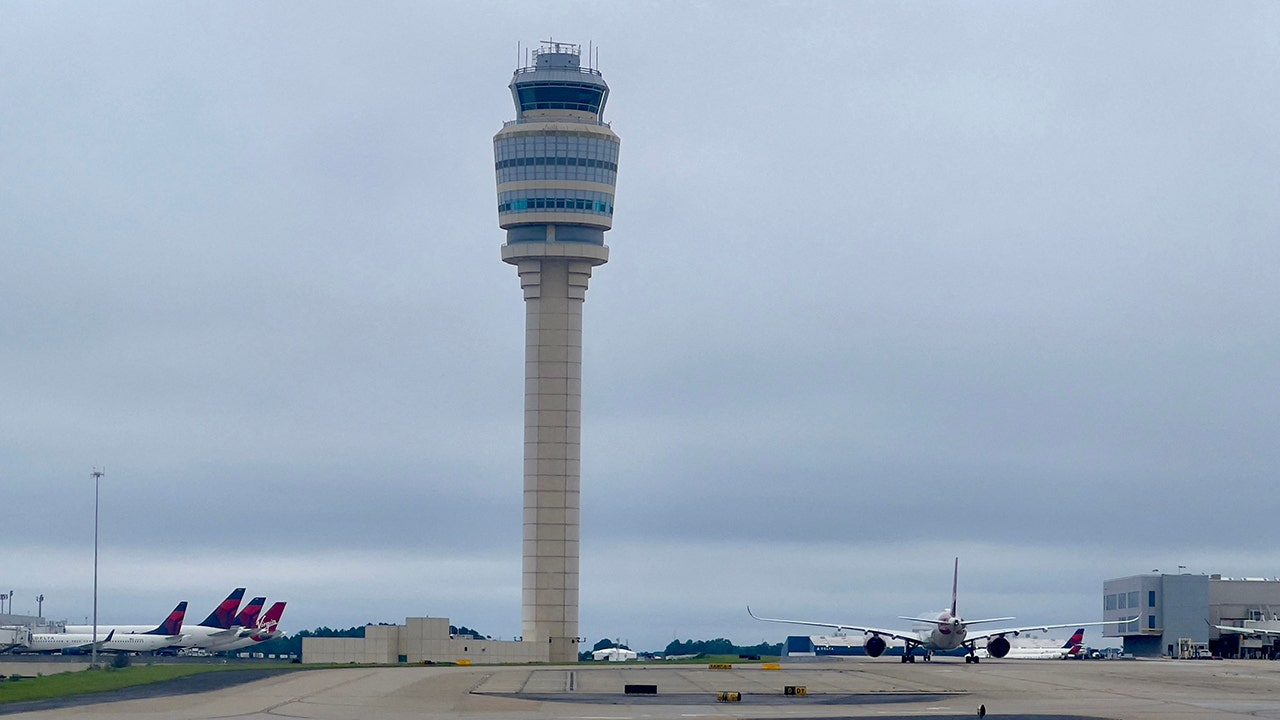
Delta Air Lines experienced a nationwide disruption on November 22, 2026, when a failure in its automated weight-and-balance system caused delays for thousands of flights ahead of the Thanksgiving holiday. The issue, centered at Hartsfield-Jackson Atlanta International Airport, forced crews to use manual calculations to ensure safe takeoffs. While the Federal Aviation Administration confirmed the problem was unrelated to federal air traffic systems, the outage compounded recent infrastructure vulnerabilities, including a nationwide ground stop the previous week. Delta reported that the system was restored by Sunday evening, but lingering delays affected over 1,000 flights, with the airline offering rebooking, vouchers, and refunds to affected passengers.

Delta weight-and-balance system failure triggers 1,300+ delays ahead of Thanksgiving
travel1 day ago

Delta weight-and-balance system failure triggers 1,300+ delays ahead of Thanksgiving

Delta Air Lines experienced a major system outage on November 22, 2026, causing over 1,300 flight delays nationwide just days before Thanksgiving. The failure in the Automated Load Instruction System (ALIS) forced the airline to use manual weight-and-balance calculations, leading to a ground stop at its Atlanta hub that was later downgraded to a ground delay. The disruption coincided with peak holiday travel, with Los Angeles International Airport projecting nearly 2.6 million passengers for the 12-day period. This incident follows a separate nationwide ground stop one week earlier caused by a telecommunications failure.

Delta’s weight-and-balance system failure triggers nationwide delays during Thanksgiving rush
travel2 days ago

Delta’s weight-and-balance system failure triggers nationwide delays during Thanksgiving rush

Delta Air Lines faced nationwide flight delays on November 22, 2026, after a failure in its Automated Load Instruction System (ALIS) disrupted weight and balance calculations. The Federal Aviation Administration (FAA) initially issued a ground stop at Hartsfield-Jackson Atlanta International Airport, later downgrading it to a ground delay that ended around 11:30 a.m. ET. Delta crews used manual workarounds to ensure safe departures while engineers worked to restore automation. The incident occurred during the peak Thanksgiving travel period, when over four million passengers are expected to pass through Atlanta, the world’s busiest airport. While the FAA confirmed the issue was unrelated to federal air traffic systems, the disruption caused significant ripple effects, with FlightAware data showing approximately 45% of Delta flights delayed by 2:00 p.m. ET. This follows a recent nationwide ground stop caused by an outdated copper wire, highlighting ongoing infrastructure vulnerabilities in the aviation sector.

Delta Ground Stop Turns Into Nationwide Delays as Automation Glitch Hits Thanksgiving Travel

Delta Ground Stop Turns Into Nationwide Delays as Automation Glitch Hits Thanksgiving Travel

Delta Air Lines is experiencing significant nationwide delays after a technical failure in its weight and balance automation system triggered a ground stop at Atlanta’s Hartsfield-Jackson airport. The initial stop evolved into a ground delay, causing nearly 500 flights to be held or delayed by approximately one hour. Delta is employing manual workarounds to restore operations while the issue persists during the start of the busy Thanksgiving travel period.

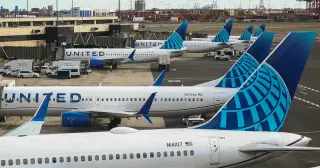
United Airlines Resolves Weight-Calculation Glitch Amidst Week of Infrastructure Failures

United Airlines Resolves Weight-Calculation Glitch Amidst Week of Infrastructure Failures

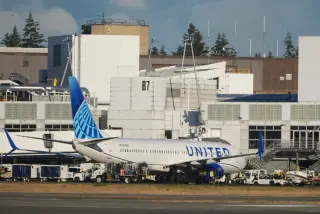
United Airlines resolved a widespread system outage on November 16, 2026, that delayed departing flights for approximately 90 minutes. The incident, linked to a weight-calculation system used for takeoff safety, occurred just days after a nationwide FAA ground stop. While the airline confirmed the issue was not a cyberattack, it highlighted ongoing vulnerabilities in U.S. aviation infrastructure.

United Airlines Resolves Weight Calculation Glitch After FAA Ground Stop
technology8 days ago

United Airlines Resolves Weight Calculation Glitch After FAA Ground Stop

United Airlines confirmed on November 16 that it resolved a technology issue affecting departing flights, which had caused delays but did not impact aircraft already in the air or regional United Express services. The outage, linked to a system used to calculate aircraft takeoff weights, was fixed approximately 1.5 hours after pilots reported the problem. This incident occurred shortly after a nationwide ground stop caused by an FAA network malfunction, contributing to a week of significant technology disruptions across major U.S. infrastructure.

Delta Completes 95% of Free Wi-Fi Rollout, but Starlink Rivals Close the Gap
travel1 month ago

Delta Completes 95% of Free Wi-Fi Rollout, but Starlink Rivals Close the Gap

Delta Air Lines announced on October 20, 2026, that its free inflight Wi-Fi rollout is 95% complete, covering nearly 1,300 aircraft. The airline closed its final coverage gap on Asia-Pacific routes, promising full fleet connectivity by early 2027. While Delta leads in coverage breadth, competitors United and American are rapidly deploying superior Starlink technology, threatening Delta's competitive edge.

American Airlines Reverses Course to Install 4K Seatback Screens by Early 2030s
business3 months ago

American Airlines Reverses Course to Install 4K Seatback Screens by Early 2030s

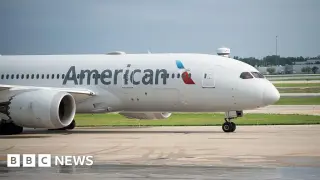
American Airlines is reversing its 2017 decision to remove seatback screens, announcing a fleetwide upgrade for its narrowbody aircraft. The carrier will install 4K displays, USB-C charging, and Bluetooth audio starting with new deliveries in 2028, with full completion expected by the early 2030s. This move aims to close the profit gap with rivals Delta and United by offering a more premium experience, alongside increased first-class seating and Starlink Wi-Fi.

Boeing's Quiet Investment in a Young Engineer Sparks Turnaround
business1 year ago

Boeing's Quiet Investment in a Young Engineer Sparks Turnaround

Boeing has appointed 39-year-old engineer Brian Yutko as chief of commercial airplanes product development, signaling a renewed focus on engineering and innovation amid the company's challenges. Yutko's background in aerospace engineering and his work on fuel-efficient aircraft design position him to lead Boeing's efforts in developing a new, disruptive aircraft to regain industry leadership. This move reflects Boeing's broader strategy to recover from safety issues, production delays, and market competition, with Yutko's leadership seen as a potential catalyst for a technological and cultural turnaround.

UK Airspace Overhaul Aims to Reduce Flight Times and Delays
world1 year ago

UK Airspace Overhaul Aims to Reduce Flight Times and Delays

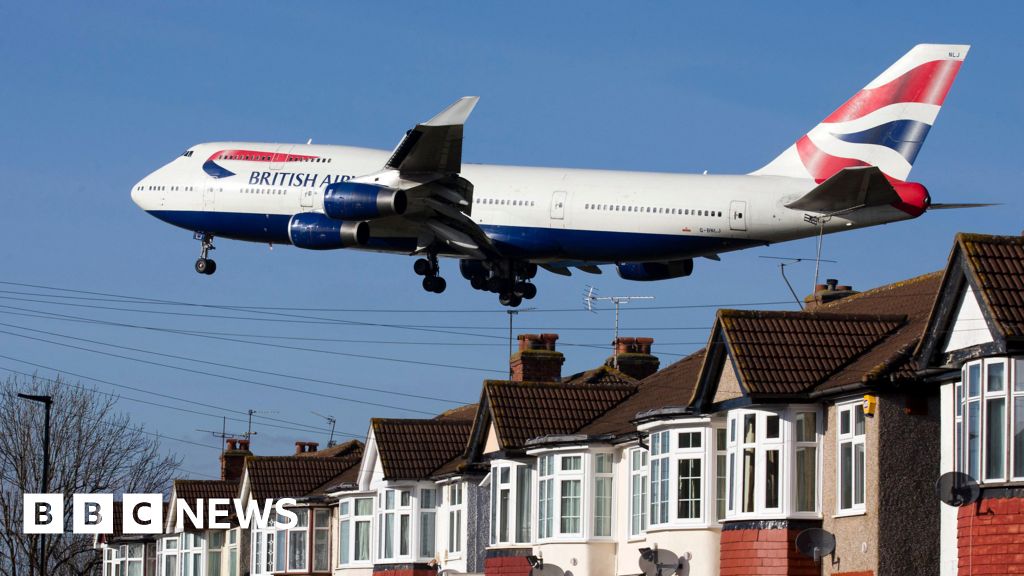
The UK government plans to modernize its airspace with the creation of the UK Airspace Design Service (UKADS), aiming to redesign flight routes over the UK, especially around London, to enable quicker flights, reduce delays, and lower environmental impact, although changes may take years to implement and could affect communities with new flight paths.

"Upgraded Runway Safety Tech Implemented at Major US Airports"
aviation-safety2 years ago

"Upgraded Runway Safety Tech Implemented at Major US Airports"

The FAA is introducing new airfield surveillance systems at several airports to reduce the risk of runway accidents, with plans to implement the technology at more airports by 2025. This initiative aims to improve air traffic controllers' situational awareness and minimize the occurrence of close calls between aircraft on runways. The agency is also addressing the impact of the pandemic on air traffic control professionals and has been increasing hiring and training efforts, while investing in runway lighting and surface improvements. Additionally, the FAA has launched a new surface safety tool and reported a recent drop in the rate of serious runway incidents.

Fatal Plane Crash Claims Lives of Israeli Tech Entrepreneurs in California
aviation-technology2 years ago

Fatal Plane Crash Claims Lives of Israeli Tech Entrepreneurs in California

Israeli tech entrepreneurs Liron and Naomi Petrushka died in a plane crash near the Nevada border in California while attempting to land at Truckee Tahoe airport. The couple, known for their investments in financial and tech organizations, had departed from Denver, Colorado, and were flying a single-engine TBM aircraft. The NTSB and FAA will investigate the cause of the crash. Liron, a former professional soccer player, was also mourned by his former team in Israel.

"Pilots Face Challenges Amid False GPS Signal Surge"
aviation-technology2 years ago

"Pilots Face Challenges Amid False GPS Signal Surge"

False GPS signals, likely of military origin, are causing disruptions for airline pilots near conflict zones, leading to false ground collision alerts and altered flight trajectories. The European Union Aviation Safety Agency (EASA) has warned of intensified disruptions since the start of the war in Ukraine and is partnering with the International Air Transport Association (IATA) to counter spoofing and jamming, emphasizing the need for coordinated data collection and safety measures to address the rising safety risk posed by attacks on GPS systems.

"Revolutionary Jet Completes First Flight with Engine Featuring No Moving Parts"
technology2 years ago

"Revolutionary Jet Completes First Flight with Engine Featuring No Moving Parts"

Wave Engine Corp., a Baltimore start-up, has successfully flight-tested a jet engine with no moving parts, using pressure waves instead of rotating parts to produce thrust. The technology, a contemporary variation of the pulsejet engine, has the potential to significantly reduce the cost and complexity of jet propulsion. While pulsejet designs have been around for a century, they have been largely dismissed by the commercial aviation industry due to noise and regulation issues. However, companies like Boeing, Pratt & Whitney, and General Electric are exploring pulsejet engine technology for future applications. Wave Engine Corp. has officially launched its J-1 engine, which has 50+ pound-force of thrust, and is aiming to develop engines with up to 250 pound-force for larger aircraft.