
Defense rests in Lindsay Clancy trial as prosecution challenges psychosis claim
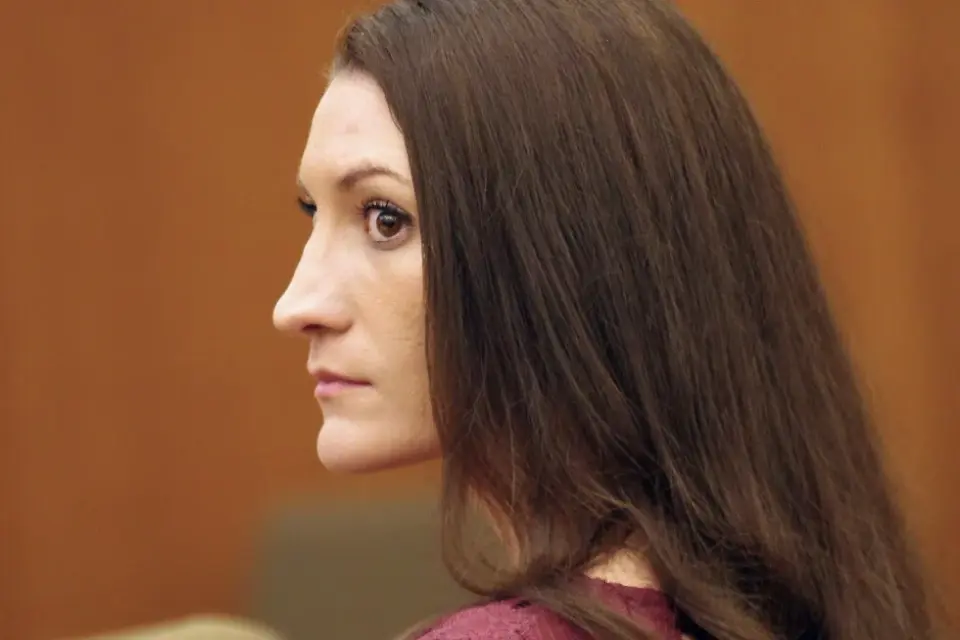
The defense rested its case on Friday in the trial of Lindsay Clancy, who is accused of strangling her three children in January 2023. Prosecutors began calling rebuttal witnesses to challenge the defense's claim that Clancy suffered from postpartum psychosis. Closing arguments are expected early next week.
Key points
- Defense attorney Kevin Reddington rested the case after forensic psychiatrist Dr. Phillip Resnick testified that Clancy was 'clearly psychotic' and acted under a 'command hallucination' on the day of the murders.
- Prosecution rebuttal witness Dr. Avram Mack testified that Clancy suffered from severe depression but not bipolar disorder or psychosis, and that she retained the capacity to distinguish right from wrong.
- Mack stated that Clancy told him she said 'go to God' while strangling her children, contradicting the defense's narrative of a total loss of control.
- Clancy, 36, faces life in prison without parole if convicted of first-degree murder; if found not criminally responsible, she will be committed to a state psychiatric hospital.
- The trial involves testimony from family members, hospital chaplains, and multiple forensic psychiatrists regarding Clancy's mental state before and after the killings.
Background
The trial has been ongoing for 18 days, with the defense phase beginning after prosecutors rested on August 17. Earlier testimony included a hospital chaplain who reported Clancy expressed relief that her children were 'safe' after the killings. The case has sparked national dialogue on maternal mental health and postpartum disorders.
How outlets are covering it
AP News and Boston.com report that the defense rested after Dr. Resnick's testimony, emphasizing his claim that Clancy was 'psychotic' and acted like a 'puppet.' CBS News highlights the prosecution's rebuttal witness, Dr. Mack, who argued Clancy was not bipolar and retained criminal responsibility. NBC Boston notes technical difficulties with Resnick's remote testimony and the schedule for closing arguments. All sources agree on the core facts of the trial's progression but differ in emphasis: the defense focuses on psychosis and lack of control, while the prosecution focuses on depression and deliberate action.
Why it matters
The outcome will determine whether Lindsay Clancy is sentenced to life in prison or committed to a psychiatric hospital, setting a precedent for cases involving postpartum psychosis and criminal responsibility. The trial has also raised public awareness about maternal mental health issues.
What to watch
Prosecutors will continue calling rebuttal witnesses, with three expected. Closing arguments are scheduled for early next week, likely Monday or Tuesday, with a verdict potentially following midweek.
- Lindsay Clancy’s defense rests at trial over whether postpartum psychosis drove her to kill her kids AP News
- Expert witnesses give dueling assessments of whether Lindsay Clancy was in psychosis the day she killed her children The Boston Globe
- Lindsay Clancy told children "go to God" during murders, prosecution psychiatrist says at trial CBS News
- Recap: Defense in Lindsay Clancy trial rests, prosecutors call 1st rebuttal witness NBC Boston
- Defense rests in Lindsay Clancy murder trial; prosecution calls rebuttal witness Boston.com
Want the full story? Read the original reporting
Read on AP News