
Congressional report blames federal failures for Epstein’s decade-long impunity
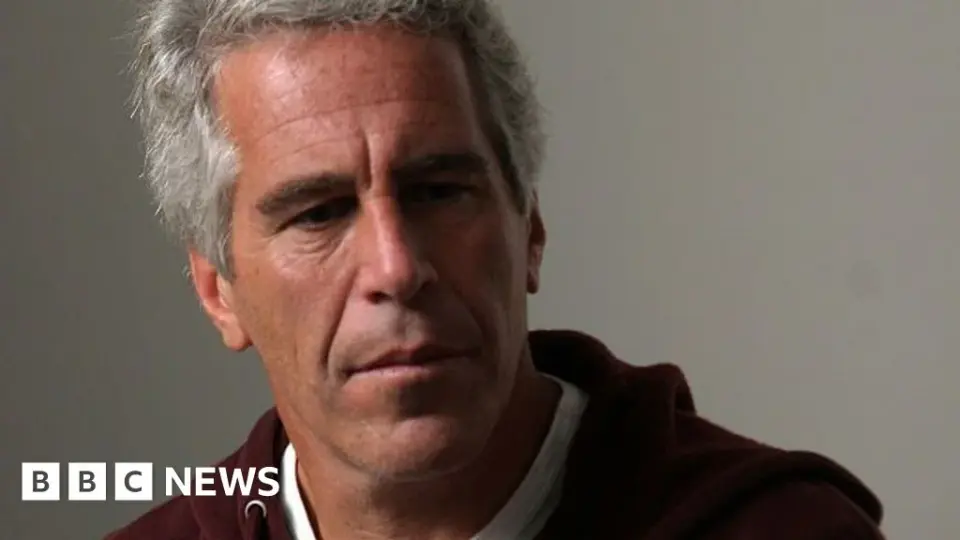
A 137-page report by the Republican-led House Oversight Committee concludes that federal prosecutors and investigators failed to prevent Jeffrey Epstein’s crimes, citing a 2007 non-prosecution agreement and institutional negligence. The report urges the Justice Department to investigate associates like Lesley Groff and Philip Levine, while Democrats criticize the findings as incomplete and partisan. The panel found no evidence implicating President Donald Trump in criminal activity, though it accused Democrats of politicizing the inquiry.
Key points
- The House Oversight Committee released a 15-month investigation report detailing 'decades-long' mishandling of Epstein and Ghislaine Maxwell cases by federal authorities.
- The report blames the 2007 non-prosecution agreement in Florida for allowing Epstein to evade federal prosecution, noting that some failures stemmed from poor judgment and others from Epstein’s influence.
- Committee chairman James Comer urged the Justice Department to investigate associates including Lesley Groff, Philip Levine, and Frédéric Fekkai, and to ensure survivors can access unredacted records.
- The report found no documents implicating President Trump in criminal activity, though it accused Democrats of pursuing a 'witch hunt' to implicate him.
- Democrats, led by Robert Garcia, criticized the report as 'incomplete' and 'misleading,' accusing the Justice Department of withholding over 2.5 million pages of documents.
- The panel recommended legislation to prevent the weaponization of non-disclosure agreements used to silence survivors.
Background
This report follows a year of heightened scrutiny over Epstein’s files and the Justice Department’s handling of document releases. Earlier in 2026, the DOJ faced criticism for removing thousands of documents after victims reported compromised identities. The investigation also follows the 2019 death of Epstein in a New York prison, which the report attributes to institutional failures such as staffing shortages and lax security, though it does not overturn the official suicide finding. Background from our archive indicates ongoing tensions between federal authorities and state officials regarding election integrity and other high-profile investigations, but the Epstein case remains distinct in its focus on financial and legal impunity.
How outlets are covering it
The Republican-led House Oversight Committee, led by James Comer, emphasizes systemic failures by federal prosecutors and financial institutions, highlighting the 2007 non-prosecution agreement and conflicts of interest. They argue that Epstein operated with impunity due to powerful connections. In contrast, Democrats, led by Robert Garcia, accuse the Republicans of releasing an 'incomplete' report with 'zero public hearings' and claim the Justice Department is illegally withholding documents. Fox News highlights specific conflicts of interest, such as former prosecutor Matthew Menchel’s relationship with Epstein’s lawyer, while noting that a 2020 DOJ review found no misconduct. CNN focuses on the committee’s call to investigate associates like Lesley Groff and the frustration among survivors over withheld records. The Guardian notes the Justice Department’s response that the case is not closed and that there is no statute of limitations on human trafficking. All sources agree on the report’s recommendation for further investigations and better protection for survivors, but they differ on the political motivations and completeness of the inquiry.
Why it matters
The report underscores ongoing debates about accountability for powerful individuals and the role of non-disclosure agreements in silencing victims. It may lead to further investigations by the Justice Department and new legislation to protect survivors. The partisan divide over the report’s findings could influence future congressional oversight and the handling of Epstein-related documents, particularly as Democrats take control of the committee in January. The case also highlights the need for transparency in federal investigations and the protection of survivors’ personal information.
What to watch
The Justice Department is expected to respond to the committee’s recommendations, potentially investigating associates like Lesley Groff and Philip Levine. Democrats, now set to lead the House Oversight Committee, plan to hold public hearings and scrutinize Trump’s relationship with Epstein. Congress may consider legislation to prevent the weaponization of non-disclosure agreements. The Justice Department may also release additional documents, though questions remain about the completeness of previous releases. Survivors may continue to push for access to unredacted records and further accountability for those who enabled Epstein’s crimes.
- US federal authorities could have prevented Epstein crimes, report finds BBC
- Outgoing Republican chairman to DOJ and Democrats: Keep investigating Jeffrey Epstein CNN
- House Republicans urge DoJ to further investigate ‘key witnesses’ in Epstein case The Guardian
- Explosive House report exposes failures it says allowed Epstein's abuse to continue for years Fox News
- House Oversight Republicans release final report on Epstein investigation Politico
Want the full story? Read the original reporting
Read on BBC