
Retracting Ice in Swiss Alps Uncovers Belgian Hikers Missing Since 1992
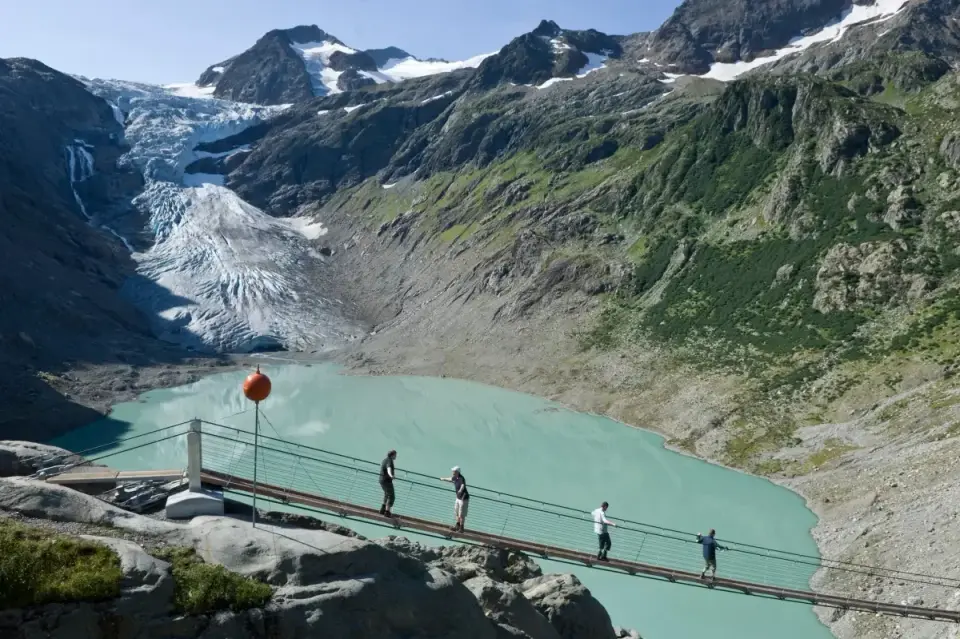
The bodies of two Belgian men missing since 1992 were found on the Trift Glacier in Switzerland after melting ice exposed them. DNA analysis confirmed their identities, highlighting a growing trend of long-lost remains surfacing due to climate-driven glacier retreat.
Key points
- Two Belgian hikers, aged 39 and 41, were reported missing in the Weissmies mountain region in 1992.
- Their remains were discovered on July 26 by a hiker on the Trift Glacier after accelerated melting exposed the corpses.
- Swiss police in Wallis canton confirmed the identities through DNA analysis, which matched records of missing persons dating back to 1925.
- Authorities noted that glacier retreat is increasingly common, leading to the regular discovery of remains from decades past.
- The discovery was sent to the Institute of Forensic Medicine at the Valais Hospital in Sion for further processing.
Background
This incident follows a pattern of remains being uncovered by melting ice, such as a German hiker found in the Theodul Glacier in 2023. Broader climate impacts, including shrinking Alpine glaciers and record heat, have been documented in recent satellite imagery and reports.
How outlets are covering it
The New York Post and USA Today both report the core facts of the discovery and identification. USA Today provides broader context, noting similar findings in Antarctica and Lake Mead due to environmental changes. The New York Post focuses on the specific police statement and the timeline of the discovery.
Why it matters
The discovery underscores the tangible, human consequences of climate change, as melting glaciers are revealing long-buried secrets and remains, impacting both historical records and ongoing investigations into missing persons.
What to watch
No further immediate actions are specified, but the case may contribute to ongoing discussions about climate change impacts and the management of historical missing persons records in alpine regions.
- Bodies of hikers who disappeared 3 decades ago in the Swiss Alps discovered after glacier melts New York Post
- Melting glaciers keep revealing hikers who vanished decades ago newsnationnow.com
- Bodies discovered in Swiss Alps as melting glaciers reveal remains USA Today
- Bodies of 2 Mountaineers Found on Fast-Melting Glacier After They Went Missing in 1992 people.com
- Public vote on which Wallace and Gromit character to be storm name Inbox.eu
Want the full story? Read the original reporting
Read on New York Post