
Guinea Landfill Collapse Kills 31 After Failed Evacuation Order
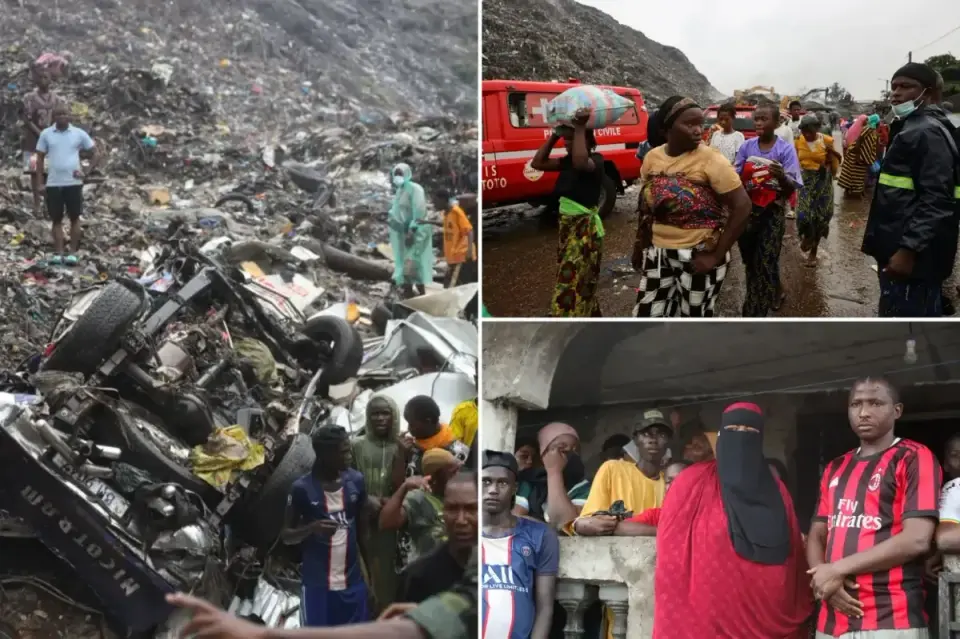
At least 31 people died and 22 were injured when a massive waste pile collapsed in Conakry, Guinea, on August 23, 2026. The landslide, triggered by heavy rain, buried homes and a three-story building at the Dar Es Salam dump. Despite official warnings and eviction orders, many residents remained in the area. Rescue operations are ongoing, with fears that the death toll may rise as victims remain trapped under debris.
Key points
- The collapse occurred at 02:00 local time on August 23, 2026, at the Dar Es Salam landfill in Conakry, Guinea.
- Heavy rainfall overnight contributed to the instability of the waste pile, causing it to slide onto nearby structures.
- A three-story building collapsed under the weight of the garbage, and several homes were destroyed.
- The death toll has risen from an initial 30 to at least 31, with 22 people injured, six of them seriously.
- Officials had issued eviction notices and planned to close the landfill on the day of the disaster, but many residents stayed.
- Rescue teams, including military personnel, are using excavators to search for survivors in the debris.
Background
This incident follows a similar tragedy at the same site in 2017, when a mudslide caused by torrential rains killed at least eight people. The 2017 disaster highlighted long-standing safety concerns at the Dar Es Salam dump, which is the largest waste facility in Conakry. Recent reports indicated that authorities were aware of hazardous conditions, leading to the decision to close the site on August 23, 2026, and evict nearby residents. However, the failure to fully clear the area resulted in the current catastrophe.
How outlets are covering it
The New York Post and Associated Press reported an initial death toll of 30, citing the collapse of a three-story building and the failure of evacuation orders. BBC News updated the toll to 31, noting that 22 people were injured and that the death toll could rise further as rescuers search through the debris. BBC also highlighted the testimony of a woman who lost five children and a resident who described the 'loud noise' of the initial collapse. Yahoo News focused on the ongoing rescue efforts, emphasizing the use of excavators and the deployment of military resources. All sources agree that heavy rain and the weight of the waste were primary causes, but BBC and Yahoo provide more detail on the human impact and the specific mechanics of the two-stage collapse.
Why it matters
The disaster underscores the critical failure of urban waste management and emergency planning in Conakry. Despite known risks and official evacuation orders, the inability to enforce relocation left vulnerable residents exposed to a preventable tragedy. The incident highlights the ongoing challenges of infrastructure safety in West African capitals and the severe consequences of delayed or ineffective disaster response protocols.
What to watch
Rescue teams are continuing to search for survivors trapped under the collapsed waste pile. The government has promised free medical care for the injured and support for affected families. Prime Minister Mamadou Oury Bah has visited the site to oversee operations. Authorities are expected to enforce the closure of the Dar Es Salam landfill and ensure the permanent relocation of remaining residents to prevent future incidents.
- At least 30 killed after massive waste pile collapses, trapping victims beneath garbage New York Post
- Guinea landfill collapse: Rescue operation dey go on as Guinea rubbish landfill collapse kpai 30 pipo BBC
- Guinea landslide kills 30 people after mound of waste collapses at landfill site Sky News
- Guinea: Garbage collapse at landfill kills dozens dw.com
- Guinea rescuers search for victims after deadly landfill landslide Yahoo
Want the full story? Read the original reporting
Read on New York Post