
UK, France, and Canada impose trade bans on Israeli settlements, triggering Israeli countermeasures
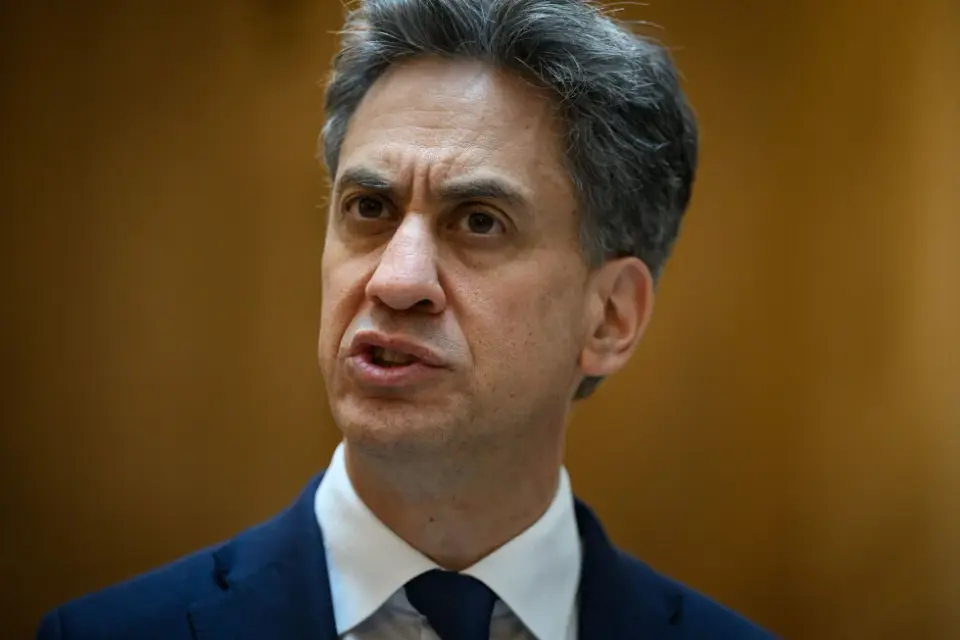
On September 8, 2026, the UK, France, and Canada announced coordinated bans on imports from Israeli settlements in the West Bank. UK Foreign Secretary Ed Miliband justified the move by citing 'ethnic cleansing' and settler violence, while Israel responded by closing its consulate in East Jerusalem and warning of retaliatory measures.
Key points
- The UK, France, and Canada announced a ban on goods from Israeli settlements in the West Bank, with the UK implementation expected within six to nine months.
- UK Foreign Secretary Ed Miliband stated the UK now considers the entire occupation of the West Bank illegal, aligning with a 2024 International Court of Justice advisory opinion.
- Israel’s Foreign Minister Gideon Saar condemned the move as 'morally distorted' and announced countermeasures, including closing the British consulate in East Jerusalem.
- Several other European nations, including the Netherlands, Ireland, and Belgium, have already banned settlement goods or are in the process of doing so.
- US Ambassador to Israel Mike Huckabee criticized the ban as 'discrimination against the Jewish people' and warned of potential repercussions for UK-US trade relations.
Background
This escalation follows a series of diplomatic shifts in 2026, including the UK's recognition of a Palestinian state in September 2025 and earlier EU sanctions on Israeli settlers in May 2026. The move also comes amid a surge in West Bank settlement expansion and settler violence, which the UN has described as reaching an 'all-time high.'
How outlets are covering it
While AP and The New York Times emphasize the coordinated nature of the Western response and the UK's shift in legal stance, The Washington Post highlights the growing rift with Israel and potential US backlash. BBC provides ground-level context from date farmers in the Jordan Valley, noting that settler farmers are already looking for alternative markets to mitigate the impact of the ban. Israeli officials, including President Isaac Herzog and Foreign Minister Gideon Saar, have uniformly condemned the sanctions as an interference in a sovereign nation's democratic process and a 'grave miscalculation.'
Why it matters
The sanctions mark a significant shift in Western policy toward Israel, moving from diplomatic pressure to economic measures. This could further isolate Israel internationally, strain UK-US relations, and impact the livelihoods of both settler and Palestinian farmers in the West Bank, while potentially influencing the upcoming Israeli elections in October 2026.
What to watch
The UK is expected to implement the ban within six to nine months. Israel has announced a series of countermeasures, including the closure of the British consulate in East Jerusalem. The US is expected to respond to the sanctions, with some US states already having laws against boycotting Israeli firms. The impact on local farmers and the broader two-state solution will be closely monitored in the coming months.
- UK government bans goods from Israeli settlements in the West Bank in a toughening of its stance apnews.com
- U.K. bars import of goods from West Bank settlements in growing rift with Israel The Washington Post
- In West Bank, date farmers weigh impact of UK sanctions on Israeli settlers BBC
- Britain Accuses Israeli Settlers of ‘Ethnic Cleansing’ in Parts of West Bank The New York Times
- UK announces new Israeli settlement sanctions, despite U.S. warning of economic consequences cnbc.com
Want the full story? Read the original reporting
Read on apnews.com