
COP31 Collapse in Antalya Marks First UN Climate Failure Since 2009
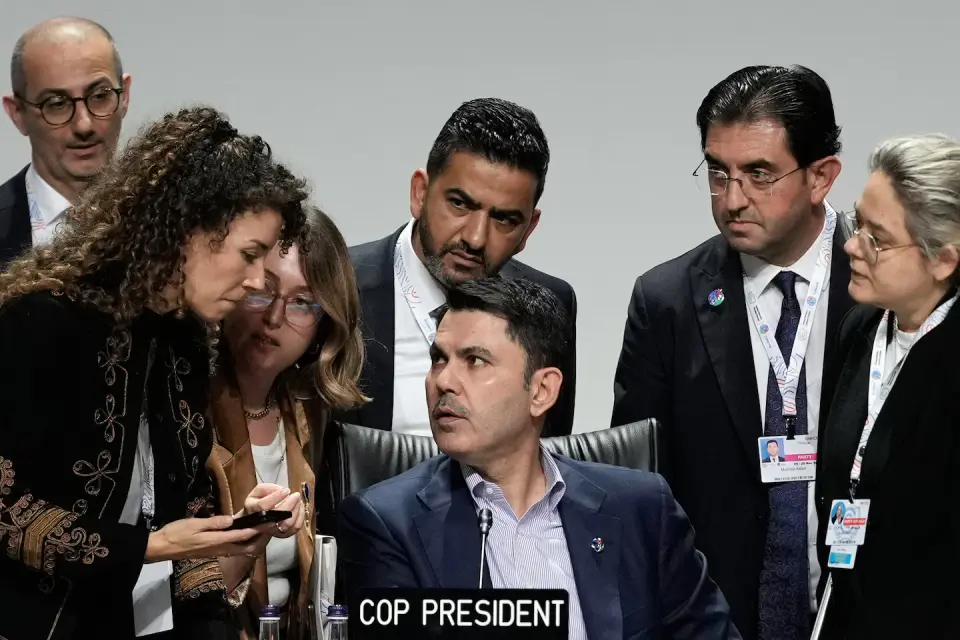
The 31st UN Climate Change Conference (COP31) in Antalya, Turkey, ended without a final agreement on Sunday, marking the first failure to reach a consensus deal since 2009. Oil-producing nations blocked language on phasing out fossil fuels, leading European and vulnerable nations to reject the final proposal. The breakdown has intensified calls to reform the consensus-based UN climate process, with some experts advocating for majority voting or financial penalties for non-compliance. Despite the diplomatic failure, side deals on electrification and individual national actions continue to advance, though experts warn the planet is approaching critical temperature thresholds.
Key points
- COP31 ended without an overarching agreement after oil-producing countries, led by Saudi Arabia, rejected a final proposal that omitted references to fossil fuels.
- The failure is the first for a UN climate summit since the 2009 Copenhagen conference, intensifying calls to reform the consensus-based decision-making process.
- Approximately 130 governments supported explicit language on moving away from fossil fuels, but the consensus requirement allowed a minority of oil states to block the deal.
- The UN climate chief, Simon Stiell, acknowledged the need to modernize and reform the COP process, while some experts suggested introducing majority voting or financial penalties for non-compliance.
- Despite the collapse, side deals continue to progress, including a plan for 35% of global energy use to come from electricity, supported by about 80 countries.
Background
The 2026 UN climate summit in Antalya, Turkey, was co-chaired by Turkey and Australia. The failure to reach a consensus agreement is the first since the 2009 Copenhagen conference, which eventually led to the 2015 Paris Agreement. Previous archive coverage noted that the talks recognized the permanent overshoot of the 1.5°C warming target, but the deadlock exposed deep geopolitical divisions. The consensus-based system has long been criticized for allowing a small number of nations to block progress, with some experts advocating for majority voting or financial penalties for non-compliance.
How outlets are covering it
The Washington Post and The New York Times emphasized the bitter clash over fossil fuels, with oil-producing nations blocking language on phasing out fossil fuels, leading European and vulnerable nations to reject the final proposal. The BBC highlighted the divided world, noting that some hailed the lack of consensus as a positive shift, while others argued that the failure exposed the inability to persuade countries with different interests to take action. AP News focused on the need for reform, with experts suggesting majority voting or financial penalties for non-compliance, while also noting that side deals and individual national actions continue to advance. The BBC also noted that the US, which had previously helped broker compromises, had no official delegation in Antalya, with President Trump rejecting the international climate process. The AP noted that the November temperature spikes show the world is not only passing the 1.5°C mark over the long term but is not too far away from the 2°C threshold, though some experts argued that the spikes were influenced by the El Niño weather pattern.
Why it matters
The collapse of COP31 highlights the deep geopolitical divisions and the limitations of the consensus-based UN climate process. The failure to reach a final agreement on phasing out fossil fuels, the primary driver of global warming, has intensified calls for reform and may lead to a shift toward majority voting or financial penalties for non-compliance. The breakdown also underscores the urgency of climate action, as the planet is approaching critical temperature thresholds, with the UN conceding that the 1.5°C mark will likely be exceeded in the next year or two. The failure may also lead to a greater focus on individual national actions and side deals, rather than joint international agreements.
What to watch
The UN climate chief, Simon Stiell, has acknowledged the need to modernize and reform the COP process, with some governments proposing majority voting or financial penalties for non-compliance. The next UN climate talks are scheduled to reconvene in Ethiopia next year. Experts and advocates are calling for a greater focus on individual national actions and side deals, rather than joint international agreements. The failure may also lead to a greater emphasis on holding governments and companies accountable for climate action, as the UN Secretary-General António Guterres urged young people, scientists, and those vulnerable to climate disasters to keep demanding action and turning up the heat.
- Collapse of U.N. summit intensifies calls for new approach to climate talks The Washington Post
- What failure of COP31 reveals about a divided world BBC
- The “Petroleum Mafia” Takes On COP31 The Nation
- Here's what's next after climate talks collapse: Reform, individual action, hope and more heat AP News
- U.N. Climate Talks Collapse in a Bitter Clash Over Fossil Fuels The New York Times
Want the full story? Read the original reporting
Read on The Washington Post