
COP31 Collapses in Antalya as Oil Producers Block Fossil Fuel Language
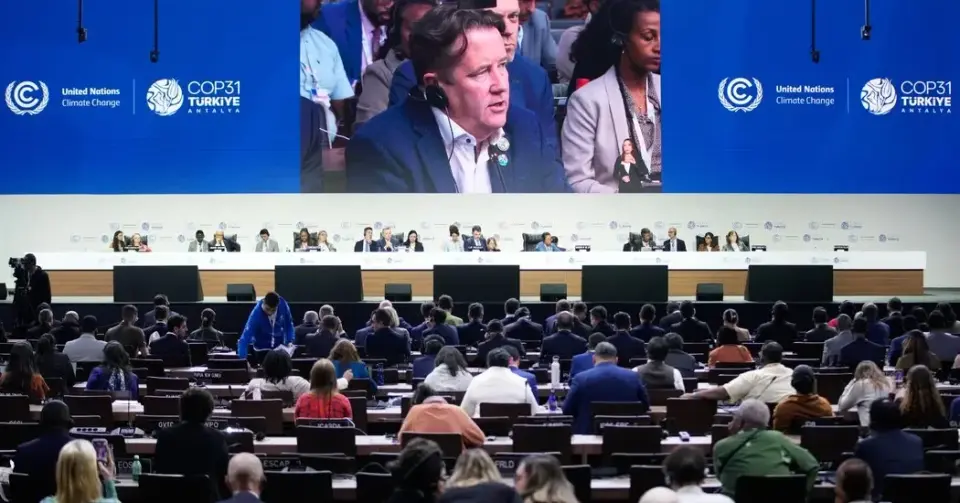
The 2026 UN climate summit in Antalya, Turkey, ended without a final consensus agreement, marking the first major failure since Copenhagen in 2009. The breakdown occurred after oil-producing nations, led by Saudi Arabia, blocked any mention of phasing out fossil fuels from the final text. European nations and vulnerable developing states rejected the draft, citing its omission of critical protections and lack of concrete financial commitments for adaptation. The talks, which became the longest in history, concluded with deep divisions over energy policy and climate finance.
Key points
- COP31 failed to adopt a final consensus agreement, the first such collapse since 2009.
- The primary point of contention was the removal of language regarding the transition away from fossil fuels.
- Oil-producing nations, including Saudi Arabia and Russia, opposed explicit phaseout language, while the EU and vulnerable nations rejected the resulting text.
- The final draft included a target for 35% electrification by 2035 but lacked specific financial commitments for climate adaptation.
- The US was absent from the talks, having withdrawn from international climate action under President Donald Trump.
Background
Previous UN climate talks, such as COP28 in Dubai in 2023, had agreed to transition away from fossil fuels, but subsequent negotiations saw this language watered down or blocked by oil-producing nations. Recent reports indicated that current policies are projected to lead to a 2.8 degrees Celsius temperature rise, far exceeding the 1.5 degrees Celsius target. The 2026 summit in Antalya followed a period of increasing climate impacts and geopolitical tensions, including an energy supply shock linked to the Iran war.
How outlets are covering it
The New York Times and CNN emphasized the geopolitical clash between nations seeking to wind down fossil fuels and those aiming to prolong them, with CNN noting the absence of the US. The BBC highlighted the lack of enforcement mechanisms in UN climate talks and the 'unbridgeable red lines' cited by COP31 president Chris Bowen. The Guardian focused on the rejection of the draft by the EU and developing nations, describing the outcome as a 'colossal betrayal' by climate justice groups. All sources agreed that the failure to mention fossil fuels was the central cause of the collapse, but differed in their emphasis on the role of carbon capture technology and adaptation finance as secondary points of contention.
Why it matters
The collapse of COP31 signals a significant setback in global climate diplomacy, potentially delaying progress on reducing emissions and adapting to climate change. The failure to reach consensus on fossil fuels and climate finance may exacerbate the gap between wealthy and developing nations, undermining international cooperation. The event highlights the challenges of achieving consensus in a fragmented global landscape, where geopolitical interests and economic priorities often override environmental imperatives.
What to watch
The next steps for COP31 are uncertain, with options including a 'COP-bis' meeting in Bonn or delaying decisions until the next conference in Ethiopia. Countries may continue to engage in side deals and bilateral negotiations, but the lack of a final consensus agreement may hinder progress on climate action. The outcome of COP31 may influence future climate negotiations and the willingness of nations to commit to ambitious targets.
- U.N. Climate Talks Collapse in a Bitter Clash Over Fossil Fuels The New York Times
- Global climate summit collapses as countries fail to agree on moving away from fossil fuels CNN
- COP31 climate talks in Antalya, Turkey fail to agree deal after fossil fuels row - follow live BBC
- Cop31 live: EU and others reject deal as longest climate summit ever faces collapse The Guardian
- U.N. COP31 climate conference ends with no agreement after fossil fuel debate reaches standstill CBS News
Want the full story? Read the original reporting
Read on The New York Times