
Eisenkot tasked with forming Israeli government after Netanyahu fails to secure majority
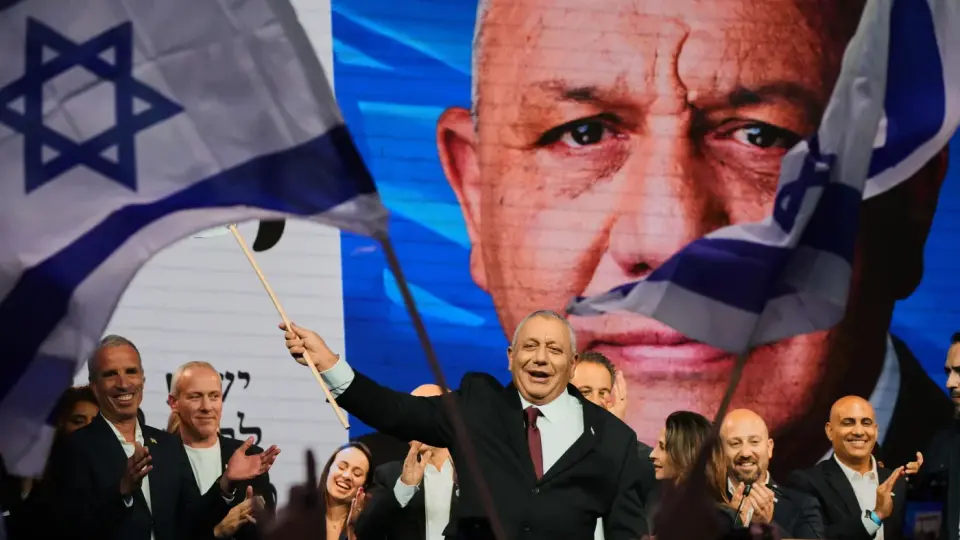
Israeli President Isaac Herzog has designated Gadi Eisenkot, leader of the centrist Yashar party, to attempt to form the next government, marking a significant setback for Prime Minister Benjamin Netanyahu. Following the October 27 election, neither Netanyahu’s Likud-led bloc nor Eisenkot’s opposition bloc secured the 61 seats required for a majority in the 120-seat Knesset. Eisenkot received 67 endorsements from party representatives, compared to 46 for Netanyahu. He now has 28 days, with a possible 14-day extension, to negotiate a coalition. If he fails, the mandate may pass to Netanyahu or result in another election. Netanyahu remains caretaker prime minister in the interim.
Key points
- President Isaac Herzog officially tasked Gadi Eisenkot with forming the government on Sunday, following consultations with all Knesset parties.
- Eisenkot’s Yashar party won 27 seats in the October 27 election, while Netanyahu’s Likud won 27 seats, but neither bloc achieved a majority.
- Eisenkot received 67 endorsements, including 19 from Arab-led parties, while Netanyahu received 46, with United Torah Judaism notably declining to support him.
- Eisenkot has 28 days to form a coalition, with a possible 14-day extension; failure could lead to another attempt by Netanyahu or a new election.
- Netanyahu remains caretaker prime minister and has challenged the election results, alleging bribery and foreign funding by Arab parties.
Background
This development follows the October 27, 2026, Israeli general election, the first since the Gaza war began in October 2023. Netanyahu’s bloc lost its parliamentary majority but remained the largest bloc with 53 seats, while the opposition bloc held 48 seats. Arab-led parties made unprecedented gains, winning 19 seats. Previous coverage noted that Eisenkot secured support from Arab parties to reach the 61-seat threshold, though internal opposition divisions over ultra-Orthodox and Arab cooperation remain unresolved. Netanyahu has faced mounting pressure over the war and security failures, including the October 7, 2023, Hamas attack.
How outlets are covering it
NPR and The Guardian emphasize the historical significance of Eisenkot’s designation as a setback for Netanyahu, Israel’s longest-serving leader. CNN highlights the complexity of Eisenkot’s path, noting divisions within the opposition, particularly over ultra-Orthodox parties and Arab support. Avigdor Liberman of Yisrael Beiteinu opposes a minority government reliant on Arab parties, fearing it will strengthen Netanyahu long-term. Netanyahu’s camp alleges the election was 'stolen' through bribery, while Eisenkot dismisses this as 'pathetic spin.' KOMO focuses on the procedural next steps, including the Knesset convening on Tuesday and the potential for a state commission of inquiry into security failures. All sources agree that Eisenkot’s success is uncertain due to ideological rifts within the opposition bloc.
Why it matters
The outcome of coalition talks will determine whether Israel gets a new government or faces further political instability. Eisenkot’s success could end Netanyahu’s long tenure and shift Israel’s political direction, particularly regarding the Gaza war, security policies, and relations with Arab parties. Failure could lead to another election or a return of Netanyahu to power, potentially exacerbating existing divisions. The decision also has implications for regional stability, given Netanyahu’s close ties with the U.S. and the ongoing Gaza conflict.
What to watch
Eisenkot will begin coalition negotiations on Sunday, with the Knesset convening on Tuesday. He must secure 61 seats within 28 days, with a possible 14-day extension. If he fails, Herzog may task another lawmaker or return the mandate to Netanyahu. The opposition plans to replace Netanyahu’s Knesset speaker and form a state commission of inquiry into security failures. Netanyahu may challenge the election results or attempt to form a unity government, though his bloc lacks a majority.
- Israel's president taps opposition candidate, not Netanyahu, to form a government NPR
- In setback to Netanyahu, rival Eisenkot to be tasked with forming next Israeli government. But the path remains complicated CNN
- Israel's president gives Netanyahu's rival first chance to form government KOMO
- Israel’s president picks Yashar leader Gadi Eisenkot to form government The Guardian
- Netanyahu’s Challenger Tapped to Try to Form Israeli Government WSJ
Want the full story? Read the original reporting
Read on NPR