
Spanish police chief denies leaked report blaming Morocco for Ceuta migrant surge
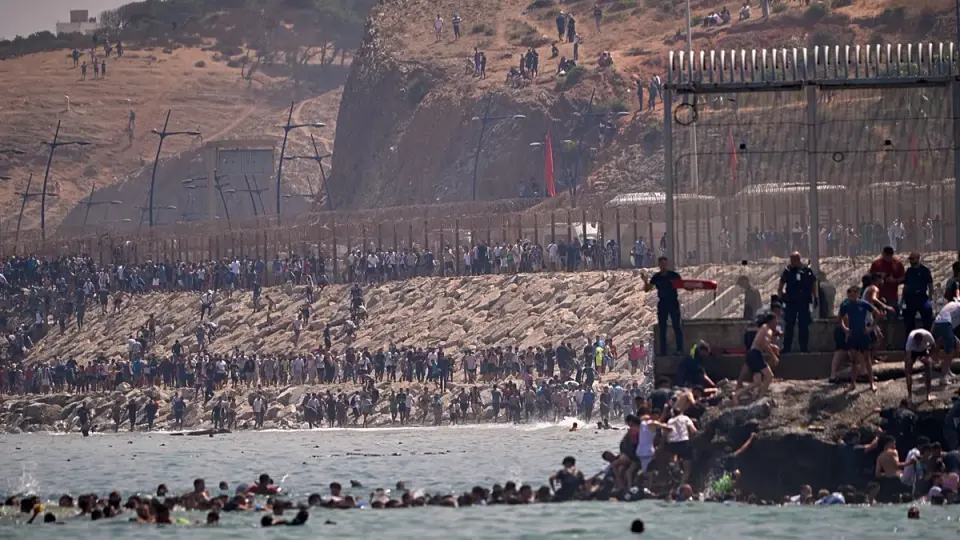
Spanish police chief Francisco Pardo has denied the existence of a leaked report blaming Moroccan security forces for orchestrating the July migrant surge into Ceuta. This denial follows Interior Minister Fernando Grande-Marlaska's demand for clarification after El Español reported that a police investigation accused Morocco of planning the influx. Prime Minister Pedro Sánchez has consistently stated that no intelligence services indicated Moroccan involvement, attributing the crisis to human traffickers and social media misinformation. The dispute has intensified domestic political pressure on Sánchez and strained EU relations, particularly with Italy, over border control measures.
Key points
- Police chief Francisco Pardo told Interior Minister Fernando Grande-Marlaska that no police report attributes the Ceuta migrant influx to Moroccan security forces.
- The denial follows a report by El Español claiming a leaked police document accused Morocco of orchestrating the mass entry of migrants into Ceuta in late July.
- Prime Minister Pedro Sánchez stated that no intelligence services suggested Moroccan involvement, blaming Israel, Russia, and the far right for spreading disinformation.
- More than 70,000 migrants entered Ceuta on July 30-31, with thousands remaining in the territory, causing social tensions and prompting demands for their return.
- Spain has requested support from Frontex, Europol, and the EU Agency for Asylum to assist with screening and processing migrants in Ceuta.
- Italy and Spain have extended border controls between them for 15 days, reflecting ongoing EU tensions over immigration policy.
Background
The Ceuta migrant crisis began on July 30, 2026, when thousands of migrants crossed from Morocco into the Spanish enclave, overwhelming local authorities and prompting a military response. The surge resulted in at least 88 deaths, according to Spanish officials, and led to significant political and diplomatic repercussions. Previous coverage highlighted the human cost of the crisis, including the deaths of specific individuals, and the EU's urgent discussions on uncontrolled crossings. The current dispute over a leaked police report adds a new dimension to the ongoing debate about the causes and responsibilities for the migrant influx.
How outlets are covering it
Euronews and the Financial Times report that Spanish police chief Francisco Pardo denied the existence of a leaked report blaming Morocco for the Ceuta migrant surge, following Interior Minister Fernando Grande-Marlaska's demand for clarification. CNN and The Guardian emphasize Prime Minister Pedro Sánchez's defense of his government's handling of the crisis, noting that he stated no intelligence services indicated Moroccan involvement. The Financial Times highlights the details of the leaked report, which accused Moroccan security forces of orchestrating the influx, while Euronews notes that Sánchez blamed Israel, Russia, and the far right for spreading disinformation. The Guardian reports that the EU declined to comment on the leaked report, while CNN notes that Sánchez promised to publish a dossier of official reports to show all available information. The perspectives differ on the extent of Moroccan involvement, with some outlets reporting the leaked report's accusations, while others focus on the Spanish government's denial and the broader political implications.
Why it matters
The dispute over the leaked police report has significant implications for Spain-Morocco relations and EU immigration policy. If the report is confirmed, it could lead to diplomatic tensions and potential sanctions against Morocco. The crisis has also highlighted the challenges of managing migration at Europe's borders, with calls for stronger border controls and cooperation between EU member states. The political fallout in Spain, including demands for Sánchez's resignation, underscores the sensitivity of the issue and its impact on domestic politics. The EU's response, including requests for support from Frontex and Europol, reflects the bloc's efforts to address the crisis and prevent similar incidents in the future.
What to watch
The Spanish government is expected to publish a dossier of official reports to clarify the information available to them regarding the Ceuta migrant surge. The EU is advancing its assessment of Spain's request for support from Frontex, Europol, and the EU Agency for Asylum. Spain and Italy are expected to extend their border controls for another 15 days, reflecting ongoing tensions over immigration policy. The political pressure on Sánchez is likely to continue, with opposition parties demanding his resignation and early elections. The investigation into the leaked police report and the role of Moroccan security forces is expected to continue, with potential implications for Spain-Morocco relations and EU immigration policy.
- Spanish police chief says no report blames Morocco for Ceuta crossings Euronews.com
- Spain’s PM says he received no advance warnings of Ceuta influx as he defends handling of crisis CNN
- Spain's PM Sanchez says no evidence Morocco orchestrated Ceuta border surge Reuters
- Spain’s Sánchez defends Morocco over Ceuta crisis as opponents call for his removal – Europe live The Guardian
- Morocco in spotlight as Spanish police report sparks Ceuta blame game Financial Times
Want the full story? Read the original reporting
Read on Euronews.com