
U.S. strikes Iran's Larak Island, triggering first direct clash in a month
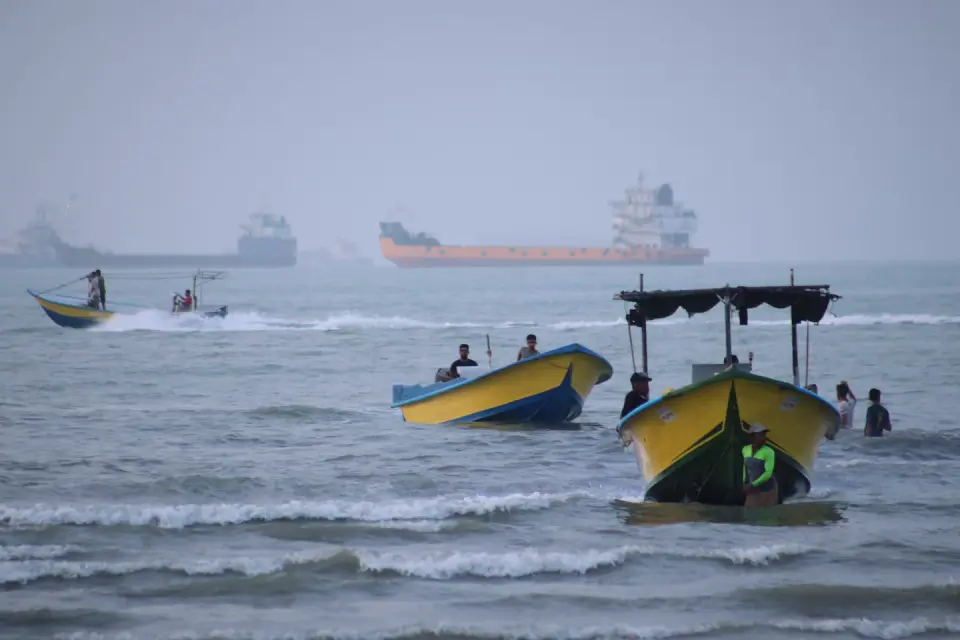
U.S. forces struck Iranian rocket launchers on Larak Island in the Strait of Hormuz on Sunday, August 30, 2026, ending a month-long lull in direct hostilities. Iran retaliated overnight by firing missiles at U.S. bases in Jordan and claiming strikes on the UAE, though the UAE denied the latter. The U.S. stated the action was a precise response to Iranian Revolutionary Guard forces preparing to lay sea mines. President Trump vowed further action, while Iran's president sought a negotiated resolution. Oil prices jumped over 2% following the exchange.
Key points
- U.S. Central Command confirmed strikes on Iranian launchers on Larak Island to counter an 'imminent threat' of sea mines in the Strait of Hormuz.
- Iran retaliated by targeting U.S. bases in Jordan and claiming attacks on the UAE, though the UAE dismissed the latter as false.
- President Trump promised to 'hit them hard,' while Treasury Secretary Bessent linked the conflict to new economic sanctions.
- Iranian President Pezeshkian stated Tehran still seeks a negotiated end to the conflict, which began in February 2026.
- Oil prices rose more than 2%, with Brent crude reaching approximately $90.31 per barrel.
Background
This exchange marks the first direct clash since late July, following a period of tenuous quiet. The broader conflict began in February 2026 with U.S. and Israeli strikes on Iran. Recent weeks saw intensified U.S. secondary sanctions on Iran's economy, particularly targeting banks, as diplomatic efforts remained stalled.
How outlets are covering it
The Washington Post and CNN emphasized the U.S. military's justification for the strike, citing Navy Capt. Tim Hawkins and Central Command statements that Iranian forces were preparing to disperse sea mines. Axios focused on the threat to the Strait of Hormuz, a critical oil shipping lane. The Detroit News highlighted the political dimension, noting President Trump's vow to 'hit them hard' and Treasury Secretary Scott Bessent's claim that Iran was 'lashing out' due to economic sanctions. Conversely, Iranian President Masoud Pezeshkian, as reported by the Detroit News, expressed a desire for a negotiated resolution, contrasting with the hardline stance of the U.S. and some Iranian officials. A senior Iranian source described the clash as 'limited and contained' but warned of a harsh response if attacked again.
Why it matters
The resumption of direct hostilities threatens to destabilize the Strait of Hormuz, which handles a fifth of global crude oil shipments. The conflict risks escalating into a broader regional war, impacting energy prices and global supply chains. The U.S. has yet to achieve its initial war objectives, including dismantling Iran's nuclear program, and the continued tension underscores the fragility of the current ceasefire.
What to watch
Analysts expect continued volatility in oil prices, with traders predicting a range of $85–$95 per barrel until shipping traffic stabilizes. The U.S. is likely to unveil new secondary sanctions weekly, focusing on banks. Diplomatic efforts remain stalled, but Iran's president has indicated a willingness to negotiate, though conditions for passage through the Strait of Hormuz may worsen for vessels violating Tehran's rules.
- A U.S. strike on Iran breaks a month-long lull, and Iran fires back The Washington Post
- US and Iran trade attacks, marking first major military escalation in a month CNN
- U.S. strikes Iran to prevent Hormuz mine threat Axios
- Iran retaliates for US strike with attacks on Jordan, UAE The Hill
- Iran dismisses Trump's post of attack on key energy hub of Kharg The Detroit News
Want the full story? Read the original reporting
Read on The Washington Post