Tag

Energy Markets

All articles tagged with #energy markets

Oil at a tipping point: why a US-Iran deal matters now
business5 days ago

Oil at a tipping point: why a US-Iran deal matters now

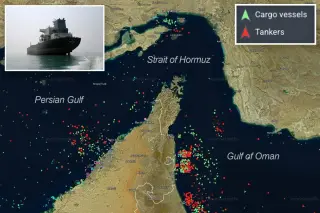
Oil prices hover near $100 after Iran’s actions and Hormuz Strait tensions, with relief from strategic reserves and rerouting masking deeper risk. The IEA says stockpiles are being drawn down to record lows and could hit crisis levels by June, potentially pushing Brent to $130–$140 and triggering demand destruction. A US-Iran deal is seen as urgently needed to avert a sharper, more chaotic squeeze, while disruption could widen to LNG, fertilizers, and shipping, risking higher inflation and, in the longer run, recession fears if talks stall.

Oil Pressure Persists as Hormuz Disruptions Deepen Energy Crisis
energy7 days ago

Oil Pressure Persists as Hormuz Disruptions Deepen Energy Crisis

Global oil markets stay under stress from Hormuz disruptions, weak data, and tightening inventories, with Brent around $105 and the IEA warning of a red zone by mid-summer. The largest US inventory drawdown sparked only a muted rally as diplomacy chatter with Iran continues, while OPEC+ is expected to hike July quotas despite a steep drop in Gulf output. Europe faces bunkering quality issues, Egypt’s gas production collapses, and China raises fuel-price caps, even as LNG projects move forward and major energy deals unfold, underscoring ongoing volatility amid a deepening energy crisis.

Beijing visit ends without Xi signing off on Power of Siberia 2
world8 days ago

Beijing visit ends without Xi signing off on Power of Siberia 2

During a high-profile trip to Beijing, Vladimir Putin failed to secure Xi Jinping’s approval for the Power of Siberia 2 gas pipeline, even as Moscow and Beijing projected unity against the U.S.; the setback highlights Russia’s growing dependence on China for energy sales and strategic leverage, with the pipeline touted to move up to 50 billion cubic meters of gas annually if built.

War, Energy, and Aid: Iran, Budgets, and Darfur on Face the Nation
politics18 days ago

War, Energy, and Aid: Iran, Budgets, and Darfur on Face the Nation

Face the Nation ties Iran’s conflict and its nuclear ambitions to energy-security concerns and a swelling U.S. defense budget, while also covering domestic redistricting, Taiwan defense questions, and urgent humanitarian crises in Darfur and on a hantavirus cruise ship, with insights from Energy Secretary Chris Wright, Sen. Mark Kelly, Rep. Ted Lieu, Dr. Scott Gottlieb, and Save the Children’s Janti Soeripto.

Oil Inventories Hit Low as Hormuz Turmoil Drains Market Cushion
energy18 days ago

Oil Inventories Hit Low as Hormuz Turmoil Drains Market Cushion

Global oil inventories are collapsing as strategic and commercial stockpiles are drained to offset lost Middle East supply, and even if the Strait of Hormuz reopens it could take months to rebuild the cushion. Demand is already softening in Asia, jet-fuel and plastics feedstocks are tightening in Europe, and prices are rising, signaling a potential deeper, longer-lasting energy crisis if hostilities persist.

U.S. Aims to End Iran's Nuclear Program Amid Hormuz Tensions
world19 days ago

U.S. Aims to End Iran's Nuclear Program Amid Hormuz Tensions

Energy Secretary Chris Wright tells Face the Nation that the United States intends to end Iran’s nuclear program and restore free shipping through the Strait of Hormuz, pursuing a negotiated settlement but keeping military options on the table; the administration has blocked Iranian ports, launched Economic Fury to seize IRGC assets, and may involve DOE personnel to remove enriched uranium if negotiations fail. Wright emphasizes Iran’s 60% enriched uranium and argues a nuclear-armed Iran threatens energy security and regional peace, while pausing Project Freedom to push for a deal and signaling it could resume if talks stall.

Iran’s Strait leverage could reshape global energy for years
mideast-crisis19 days ago

Iran’s Strait leverage could reshape global energy for years

Analysts on Iran International’s Eye for Iran podcast argue the 2026 closure of the Strait of Hormuz has given Tehran enduring leverage, with discussions of transit fees and greater influence over shipping. The disruption is accelerating a shift to pipelines and alternative routes, prompting diversification of oil flows and investment in new hubs, while market recovery is expected to be slow into 2027. Regionally, the closure strains economies such as the UAE and exacerbates domestic inflation and employment challenges in Iran, all amid ongoing conflict and sanctions that complicate a quick return to prewar normality.

Iran War Sparks Billions in Profits Across Oil, Banks and Defense
business21 days ago

Iran War Sparks Billions in Profits Across Oil, Banks and Defense

The Iran war and Hormuz disruptions have boosted energy volatility and prices, lifting profits for European oil majors (BP, Shell, TotalEnergies) and boosting bank trading revenues; defense contractors report strong demand and backlogs as governments replenish stocks. Renewables firms like NextEra, Vestas and Orsted benefit from a push toward cleaner energy, with solar, heat pumps and EV demand rising as households face higher fuel costs.

China’s show of support for Tehran masks cautious limits
world21 days ago

China’s show of support for Tehran masks cautious limits

Iranian media greeted Beijing’s sharp rhetoric in support of Tehran as evidence of closer ties, but China’s real stance is wary: it wants de‑escalation, stresses restraint, and prioritizes Hormuz stability and its energy interests. Beijing is willing to criticize the US and Israel and push for ceasefire diplomacy, but it will not fight Iran’s battles or jeopardize its broader economic ties, treating Iran as a useful partner rather than an ally with open-ended commitments.

Oil climbs as US-Iran clash dims Hormuz outlook
business21 days ago

Oil climbs as US-Iran clash dims Hormuz outlook

Oil prices rose after the US and Iran exchanged fire in the Strait of Hormuz, with Washington saying it intercepted unprovoked Iranian attacks and conducting self-defence strikes as ships headed out of the Gulf; Brent jumped about 2.6% to $102.70 a barrel and US crude rose around 2.3% to $97, underscoring supply worries amid ongoing ceasefire talks.