
UK-led sanctions on Israeli settlements trigger Israeli retaliation and US silence
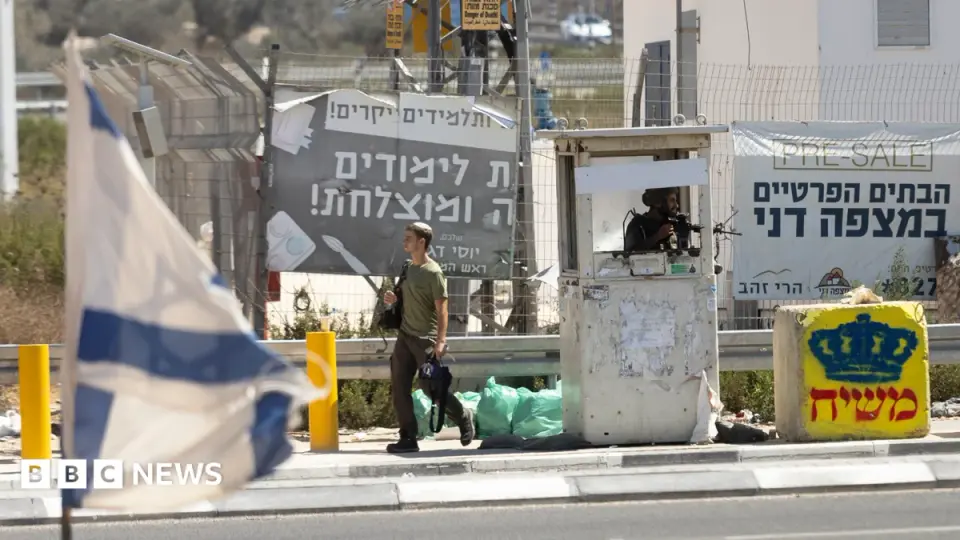
The UK, joined by 11 other nations, imposed sanctions on Israeli West Bank settlements, citing the need to preserve a two-state solution. Israel retaliated by closing the UK consulate in East Jerusalem and expelling diplomats. The US administration did not oppose the move, signaling frustration with Israeli policies.
Key points
- UK Foreign Secretary Ed Miliband announced sanctions on individuals and entities involved in settlement construction, infrastructure, and financing, alongside a ban on imports from settlements.
- Israel responded by ordering the closure of the UK consulate in East Jerusalem within 30 days and expelling British diplomats from a US-led Gaza coordination mission.
- The UK, France, and Canada led the initiative, with 11 other nations including Canada, Denmark, and France joining to restrict trade with settlements.
- The Trump administration did not oppose the sanctions, with officials privately sharing concerns about Israeli West Bank policies, despite public silence from the White House.
- Israel's Foreign Minister Gideon Saar condemned the move as 'morally distorted' and interference in its electoral process, while UK officials emphasized the urgency of acting before the two-state solution became impossible.
Background
This development follows a series of warnings from Israel regarding potential retaliation if the UK imposed sanctions over settlement expansion. The UK had previously signaled a policy reset toward Israel, with Foreign Secretary Ed Miliband considering measures to halt financing and construction of settlements. The sanctions were also linked to the ICJ ruling that the occupation is unlawful, and the UK's 2025 recognition of the State of Palestine.
How outlets are covering it
The BBC and Al Jazeera emphasized the UK's stance that action was necessary to prevent the collapse of the two-state solution, with Miliband describing the move as a 'defining moment' in UK-Israel relations. The New York Times highlighted the shift in European leadership, noting that Britain, under new Prime Minister Andy Burnham, took the initiative previously led by France. Axios focused on the US administration's lack of opposition, suggesting frustration with Netanyahu's policies, while the Israeli embassy and UK Chief Rabbi Ephraim Mirvis criticized the sanctions as 'gesture politics' that could harm Jewish safety.
Why it matters
The sanctions and subsequent Israeli retaliation mark a significant escalation in UK-Israel relations, potentially affecting trade, security cooperation, and diplomatic ties. The US silence on the issue signals a possible shift in American support for Israel's West Bank policies, which could have broader implications for the two-state solution and regional stability.
What to watch
The UK is expected to enforce the sanctions, while Israel may continue retaliatory measures. The upcoming Israeli elections could influence the government's response, and the US may further distance itself from Israeli policies if tensions escalate.
- Miliband says UK had to 'call out' Israeli settlements in West Bank before it was too late BBC
- Europe Unites to Pressure Israel, Breaking With U.S. The New York Times
- Israel tells UK to close East Jerusalem consulate within 30 days aljazeera.com
- Trump didn't oppose UK sanctions on Israeli settlements Axios
- Miliband rejects chief rabbi’s claim that West Bank sanctions put UK Jews at risk The Guardian
Want the full story? Read the original reporting
Read on BBC