
US blocks Palestinian leaders from UN General Assembly for second straight year
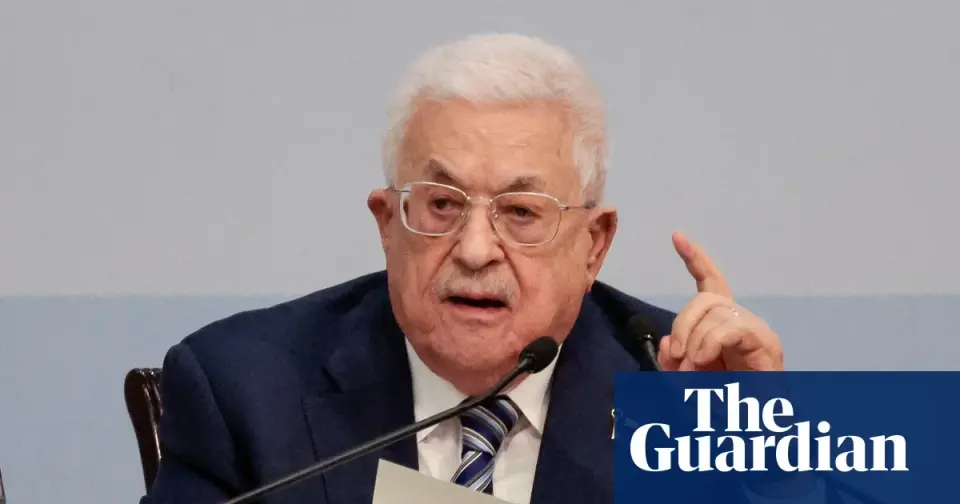
The US State Department has denied entry visas to Palestinian Authority and PLO officials, including President Mahmoud Abbas, for the upcoming UN General Assembly in New York. This marks the second consecutive year the US has barred the Palestinian delegation from attending in person, citing alleged failures to reform and actions that 'glorify terrorism.' The Palestinian Authority rejected these claims as unjustified, arguing the move hinders peace efforts. The UN is expected to vote on allowing Abbas to address the assembly via video link, as he did last year.
Key points
- The US State Department denied visas to PLO and PA officials for the UN General Assembly, citing their 'failure to reform' and actions undermining peace.
- This is the second consecutive year the Trump administration has barred Palestinian leaders from attending the UN meeting in New York in person.
- The State Department accused the PA and PLO of 'glorifying terrorism' and internationalizing the conflict through the ICC and ICJ.
- The Palestinian Authority rejected the allegations, calling the visa denial an 'unjustified measure' that contradicts efforts to restore trust and achieve peace.
- The UN General Assembly is expected to vote on allowing Mahmoud Abbas to address the assembly via video link, as he did in 2025.
Background
The US has increasingly tightened visa policies and sanctions against Palestinian entities in recent years. In August 2026, the administration announced plans to revoke B-1 and B-2 visas for individuals who sought asylum, potentially affecting up to 200,000 people. Additionally, the State Department paused immigrant visa interviews worldwide to implement new public-charge screening, reflecting a broader crackdown on legal immigration. These moves align with the current administration's approach to using visa restrictions as a diplomatic tool.
How outlets are covering it
The Guardian and The Washington Post both report on the visa denial but emphasize different aspects. The Guardian focuses on the State Department's specific accusations, such as 'glorifying terrorism' and internationalizing the conflict through the ICC and ICJ, while The Washington Post highlights the legal implications, noting that the 1947 treaty establishing the UN headquarters requires the US to grant visas to UN mission representatives without impediment. Both outlets agree on the core facts: the visa denial is the second consecutive year, and Abbas is expected to address the UN via video link. The Palestinian Authority's response is consistent across both sources, describing the move as unjustified and counterproductive to peace efforts.
Why it matters
This visa denial underscores the deepening diplomatic rift between the US and Palestinian leadership, potentially complicating peace negotiations and international support for the two-state solution. It also raises questions about the US's compliance with UN treaties and its role in facilitating international dialogue. The move may further isolate Palestinian leaders on the global stage and impact US-Palestinian relations.
What to watch
The UN General Assembly is expected to vote on whether to allow Mahmoud Abbas to address the assembly via video link. The general debate begins on September 22, 2026. The Palestinian Authority may seek further diplomatic channels to challenge the visa restrictions, while the US may continue to enforce sanctions against PLO and PA officials.
- Trump administration denies entry visas to Palestinian officials ahead of UN general assembly The Guardian
- U.S. denies visas to Palestinian officials ahead of U.N. General Assembly The Washington Post
- US rejects Abbas’s entry visa, forcing him to again address UN virtually The Times of Israel
- State Department Extends Visa Ban on Abbas, Other Palestinian Officials The New York Times
- US blocks Palestinian leader from UN meeting in New York for second year in row BBC
Want the full story? Read the original reporting
Read on The Guardian