
US Resumes Pacific Boat Strikes After Two-Month Pause, Killing Two
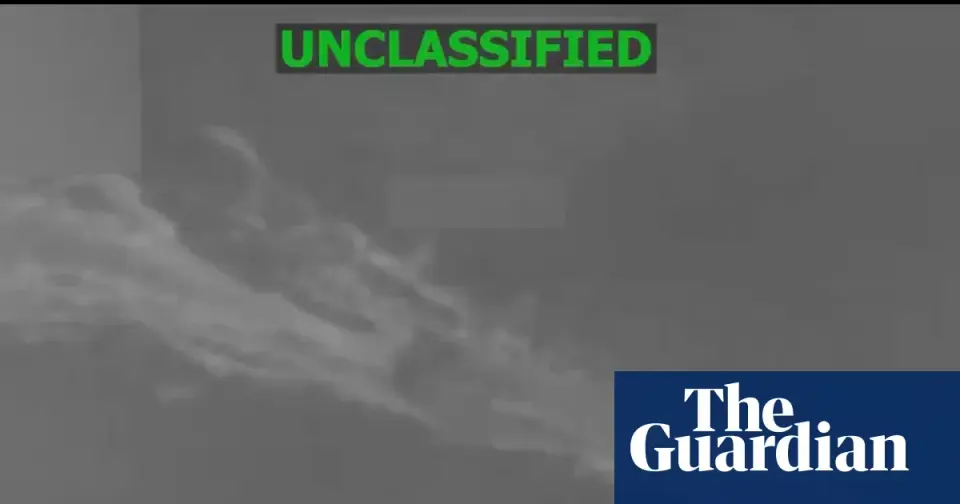
The US military conducted its first vessel strike in the eastern Pacific in over two months, killing two people accused of drug trafficking. This action marks a resumption of the Trump administration's controversial anti-narco campaign, which has killed 223 people since September 2025. While officials cite intelligence confirming the target's involvement, critics and the UN condemn the strikes as extrajudicial killings, noting a lack of evidence and the fact that most fentanyl enters the US via land routes from Mexico.
Key points
- US Southern Command (SouthCom) announced a lethal strike on a low-profile vessel in the eastern Pacific on August 23, killing two individuals described as 'narco-terrorists.'
- This was the first announced strike in the region since June 21, 2026, breaking a two-month pause in the campaign that began in September 2025.
- The operation brings the total death toll of the anti-narco campaign to 223 people across 67 strikes, with 64 speedboats and three low-profile ships destroyed.
- SouthCom provided no physical evidence of drugs on the vessel, relying instead on 'confirmed intelligence' to justify the attack.
- Defense Secretary Pete Hegseth recently announced that Colombia, Guatemala, and Honduras agreed to joint US military operations on their soil, though Guatemala denied reaching such a deal.
- The Pentagon’s inspector general is reviewing whether the military followed the six-phase Joint Targeting Cycle, but not the legal basis of the strikes themselves.
Background
The current strike is part of Operation Southern Spear, a campaign launched in September 2025 by the Trump administration to combat drug cartels. Previous archive coverage from August 24, 2026, highlighted the immediate controversy surrounding this specific strike, noting it was the first in months and sparking renewed debate over legality. Earlier reports also detailed the Pentagon's decision to conduct follow-up strikes on survivors of initial attacks, a practice condemned by some lawmakers as a potential war crime, while the Defense Department defended it as necessary self-defense.
How outlets are covering it
The Guardian and CBS News emphasize the lack of evidence provided by the US military, noting that the strikes have been condemned by the United Nations as extrajudicial killings. They highlight that 74% of cocaine reaching the US arrives via the Pacific, but fentanyl, a major driver of overdoses, typically enters via land from Mexico. Fox News focuses on the operational success and the 'lethal precision' of the strike, quoting General Francis L. Donovan’s assertion that the operation demonstrates the US resolve to protect the homeland. Fox also notes the two-month gap since the last strike, framing the recent action as a necessary continuation of the campaign. CBS News specifically identifies the target as a potential 'narco sub' or semi-submersible vessel, a detail not explicitly confirmed by SouthCom in its initial statement.
Why it matters
The resumption of strikes signals a shift in US policy from a pause to active engagement in the region, potentially escalating tensions with Latin American nations. The controversy over the legality and effectiveness of these strikes impacts US foreign relations and human rights standing, particularly as the administration seeks to expand operations onto land in countries like Colombia and Honduras. The lack of evidence and high death toll without corresponding reductions in drug flows raise questions about the strategic value of the campaign.
What to watch
The Pentagon’s inspector general is expected to complete its review of the targeting framework, though it will not address the legality of the strikes. The US may proceed with joint military operations on the ground in Latin America, pending the resolution of disputes like Guatemala’s denial of the agreement. Continued scrutiny from international bodies and domestic lawmakers regarding the evidence for these strikes is likely to persist.
- US strikes a vessel in the eastern Pacific, killing 2 people in first attack in months The Guardian
- U.S. Military Kills 2 People in Attack on Boat in Pacific The New York Times
- U.S. strikes a vessel in the eastern Pacific, killing 2 people in first attack in months NBC News
- US kills two 'narco-terrorists' in strike 2 months since last announced anti-'narco-trafficking' attack Fox News
- U.S. military destroys alleged drug-smuggling boat in Pacific Ocean, killing 2 people CBS News
Want the full story? Read the original reporting
Read on The Guardian