
Cambridge Faculty Admits Hiring Flaws in Nathan Cofnas Case as Ghent University Suspends Researcher
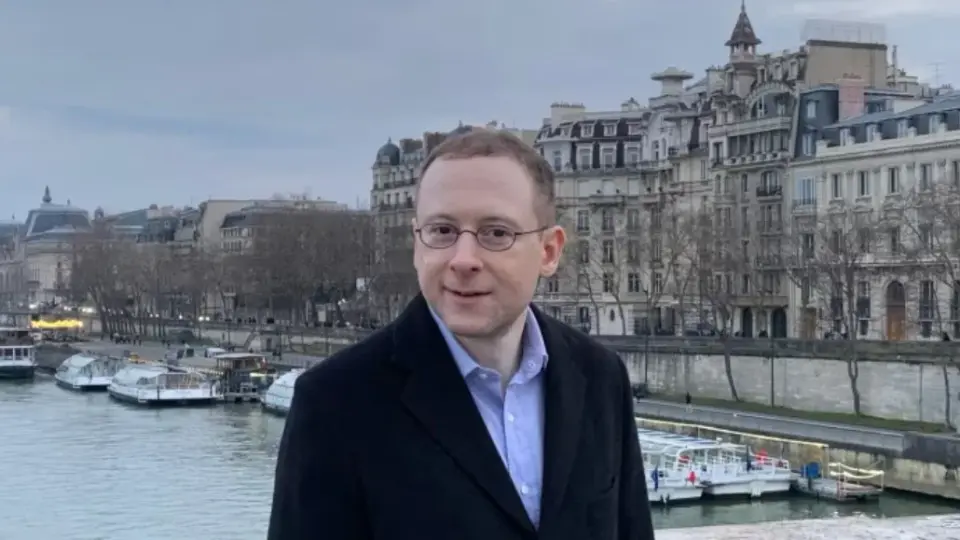
Middle East Eye obtained minutes from a 2024 Cambridge meeting revealing that senior academics privately acknowledged that a basic background check would have revealed Nathan Cofnas's controversial views before his hiring. Cofnas, currently suspended by Ghent University in Belgium, accused sociologist Jason Arday of plagiarism, sparking a media frenzy that preceded Arday's death. While US officials and some scholars defend Cofnas's academic freedom, Ghent faculty and critics argue his appointment was an ideological choice lacking expertise, and his broader writings promote racial pseudoscience.
Key points
- Minutes from a February 2024 Cambridge meeting show pro-vice-chancellor Bhaskar Vira and philosophy chair Angela Breitenbach admitted the hiring process was 'not satisfactory' and that a simple search would have exposed Cofnas's views.
- Ghent University suspended Cofnas last week pending a disciplinary investigation into his public statements, following the death of Jason Arday in August.
- A counter-petition by Ghent professors argues that Cofnas's suspension is not retaliation for whistleblowing but a necessary response to racist pseudoscience and violations of the university's code of conduct.
- US Ambassador Bill White condemned the suspension, while over 800 American academics signed a letter defending Cofnas's right to scrutinize colleagues, citing academic freedom.
- The Guardian reported that Ghent's philosophy department previously questioned Cofnas's qualifications, stating it was 'improbable' he was the best candidate among 14 applicants for a role on liberalism.
Background
This development follows the August 2026 death of Jason Arday, who resigned from Cambridge after intense media scrutiny triggered by Cofnas's plagiarism allegations. Previous coverage noted that while Cambridge initially supported Arday, it later opened an investigation into his academic record. The current dispute highlights ongoing tensions in higher education regarding the boundaries of academic freedom versus the protection against discriminatory speech, particularly in the context of DEI policies and international academic collaborations.
How outlets are covering it
Middle East Eye emphasizes the internal Cambridge admission that hiring protocols failed to vet Cofnas's controversial race views, framing the current Ghent suspension as a logical consequence of prior negligence. The Chronicle of Higher Education highlights the polarized American academic response, noting that while some view the suspension as a clear violation of academic freedom, others argue that protecting Cofnas legitimizes racist ideologies. The Guardian focuses on the pre-existing concerns within Ghent University, citing a 19-page statement from the philosophy department that questioned Cofnas's expertise and transparency in his appointment. US officials, including Ambassador Bill White, have defended Cofnas, contrasting with the Belgian university's stance that academic freedom has limits when it incites hatred or discrimination.
Why it matters
The case illustrates the growing global conflict over the definition of academic freedom, particularly regarding controversial racial theories. It exposes vulnerabilities in university hiring processes and the potential for international political interference in academic disciplinary proceedings. The debate also reflects broader societal divisions over DEI initiatives and the role of media in shaping academic reputations, with significant implications for how institutions handle misconduct versus protected speech.
What to watch
Ghent University will continue its preliminary disciplinary investigation into Cofnas's public statements. The outcome may determine whether Cofnas is dismissed or reinstated, potentially setting a precedent for how European universities handle controversial academic speech. US-Belgian diplomatic relations may face further strain if the US government continues to pressure Ghent regarding the case. Additionally, the Cambridge University may face further scrutiny regarding its 2024 hiring decisions and its subsequent handling of the Arday investigation.
- Exclusive: Cambridge colleagues argued a Google search would have prevented Nathan Cofnas hiring Middle East Eye
- US academic who accused Jason Arday of plagiarism allowed to resume some work Reuters
- In Defense of Nathan Cofnas Inside Higher Ed
- Should Jason Arday’s Accuser Be Defended? American Scholars Disagree. The Chronicle of Higher Education
- Ghent professors challenged expertise of Jason Arday’s plagiarism accuser The Guardian
Want the full story? Read the original reporting
Read on Middle East Eye