
Cambridge clears Jason Arday of plagiarism as critics debate academic integrity and racial bias
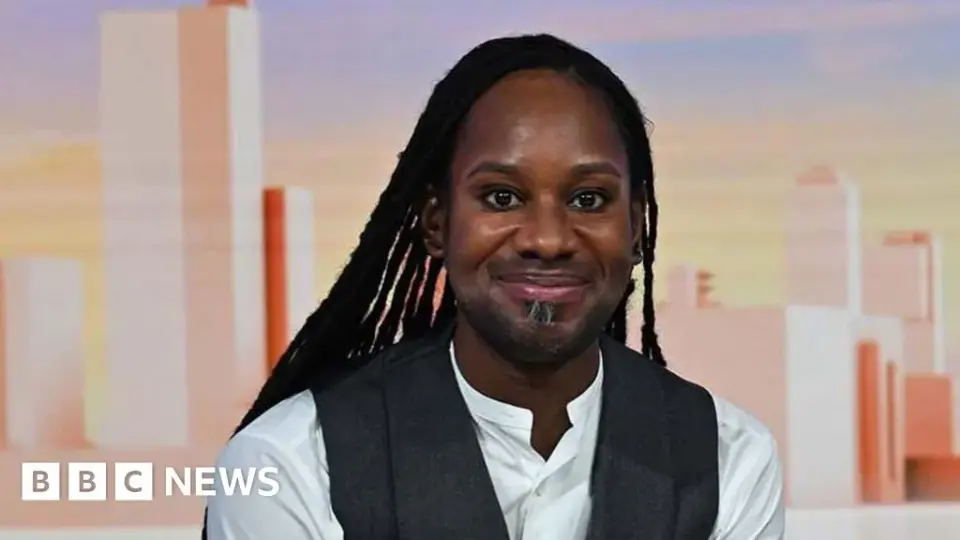
Cambridge University has cleared sociology professor Jason Arday of plagiarism, dismissing the allegations as a 'vile smear campaign.' The controversy began when Nathan Cofnas, a former Cambridge academic, claimed Arday's PhD contained copied passages. While Arday admitted to some errors, he maintains he is not a liar and argues the scrutiny is racially motivated. The dispute has split the academic community, with some defending Arday against a 'witch hunt' and others insisting that legitimate questions about his work must be answered to preserve credibility.
Key points
- Cambridge University and Liverpool John Moores University, where Arday completed his PhD, both investigated the claims and found no evidence of plagiarism or academic misconduct.
- Nathan Cofnas, who was dismissed from Cambridge in 2024, used plagiarism detection software to claim Arday's thesis contained passages lifted with minimal editing from other works.
- Arday admitted to errors in his early work, attributing some to his autism and lack of supervision, but denied being a liar or a fantasist.
- Critics of Arday, including emeritus professor John Preston, argue that while mistakes happen, the evidence triangulates and requires a formal answer to maintain the discipline's credibility.
- Supporters, including Green Party leader Zack Polanski and over 12,000 petition signatories, describe the campaign as a coordinated effort to undermine a successful Black academic.
Background
Jason Arday became Cambridge's youngest Black professor in 2023 at age 37. He is known for his work on neurodivergence and race in education, as well as extreme charity running challenges. Previous archive coverage noted that some commentators had framed the controversy as a test of liberal reactions to Black success, highlighting the tension between accountability and perceived racial bias in academia.
How outlets are covering it
The debate is sharply divided. The Guardian and The Independent emphasize the racial dimension, framing the scrutiny as a 'witch trial' or 'glass cliff' that disproportionately targets Black academics. They note that while academic integrity matters, the intensity of the attack on Arday's entire life story suggests a punitive motive. Conversely, The Telegraph (though blocked) and critics like John Preston argue that the plagiarism claims are legitimate and that ignoring them undermines the credibility of sociology. Cofnas, who was dismissed from Cambridge for controversial views on race, claims his findings are factual, while Arday's supporters view his actions as a coordinated harassment campaign. Arday himself balances these views, admitting to mistakes but rejecting the label of 'liar,' citing his autism and lack of resources as mitigating factors.
Why it matters
This case highlights the ongoing tension in academia between holding scholars to high standards and protecting vulnerable or minority academics from targeted harassment. It raises questions about how institutions handle allegations of misconduct when the accusers have controversial backgrounds, and whether the scrutiny of Black academics crosses the line from accountability into discrimination. The outcome sets a precedent for how universities will handle similar disputes in the future.
What to watch
Cambridge has closed its investigation, finding no wrongdoing. Arday is expected to continue his role at Jesus College, though the controversy may impact his reputation and future publications. The academic community will likely continue to debate the balance between integrity and protection, with potential implications for other Black academics facing similar scrutiny.
- Cambridge professor at centre of plagiarism row defends his work BBC
- Playbooks, plagiarism and a pig’s head: new claims surrounding a star Cambridge professor The Guardian
- Cambridge’s diversity poster boy in plagiarism row The Telegraph
- Jason Arday: I am not a liar, says star academic accused of plagiarism The Times
- The Cambridge plagiarism row proves Black academics are held to higher standards The Independent
Want the full story? Read the original reporting
Read on BBC