
Kabila Launches FRN Coalition with M23 Rebels Amid Constitutional Crisis
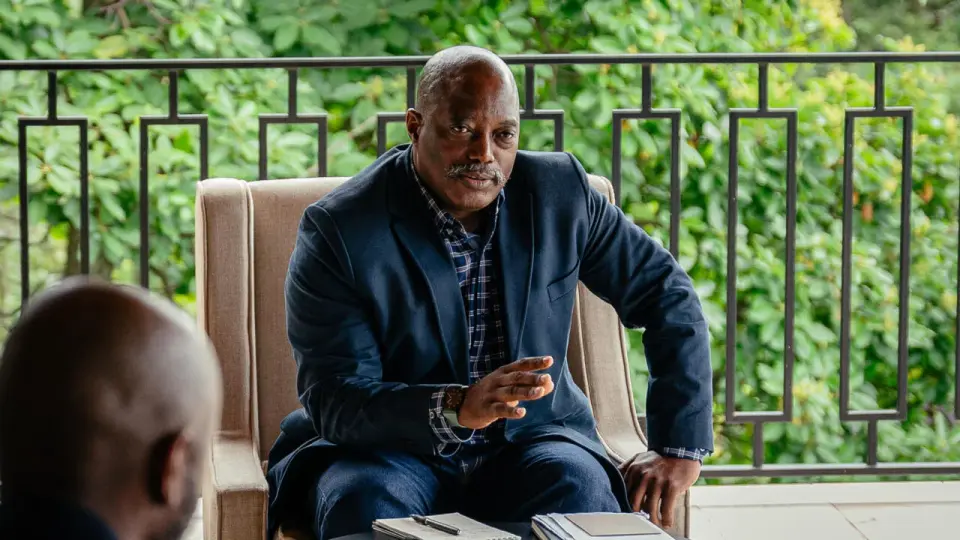
Former DR Congo president Joseph Kabila has officially launched a new politico-military alliance called the Front pour la Refondation de la Nation (FRN) alongside the Rwanda-backed M23 rebel group. The coalition, announced in Goma, aims to challenge the current government through force if necessary. This move escalates tensions in eastern Congo, where M23 has controlled key areas since January 2025, and coincides with debates over constitutional changes ahead of President Felix Tshisekedi’s term ending in 2028.
Key points
- Joseph Kabila, former president of DR Congo (2001-2019), announced the formation of the Front pour la Refondation de la Nation (FRN) on Monday.
- The FRN is a politico-military alliance that includes the M23 rebel group, which has controlled Goma and parts of eastern Congo since January 2025.
- Kabila will lead the FRN, with rebel leaders, including Corneille Nangaa, serving as deputies.
- The alliance aims to 'put an end to tyranny by any means, including force,' according to coalition adviser Claude Ibalanky.
- Kabila was sentenced to death in absentia a year ago for complicity with M23, a charge he denies as politically motivated.
- The announcement occurs amid efforts by President Tshisekedi’s allies to amend the constitution to allow a third term, with Tshisekedi’s second term ending in 2028.
Background
Eastern DR Congo has faced over 30 years of conflict, with M23, a mainly ethnic Tutsi rebel group, accused by the UN and Western governments of being backed by Rwanda, a claim Kigali denies. Recent events include a September 2026 ambush involving private military contractors and M23 rebels, and a July 2025 ceasefire agreement that has not been respected. Kabila, who took office at 29 after his father’s assassination, has been rarely seen in public since stepping down in 2018. The US imposed sanctions on him earlier in 2026 over alleged funding of rebel groups.
How outlets are covering it
France 24 emphasizes the formal structure of the FRN and Kabila’s direct leadership role, highlighting the 'politico-military' nature of the alliance. Al Jazeera focuses on the potential for direct confrontation between Kabila and President Tshisekedi, citing researcher Yvon Muya’s warning of military escalation. AP News frames the move as an anti-government front, noting the lack of immediate response from the DRC government. All sources agree on the core facts but differ in emphasis: France 24 on the alliance’s structure, Al Jazeera on the risk of conflict, and AP News on the political challenge to Tshisekedi’s regime.
Why it matters
The formation of the FRN could destabilize eastern DR Congo, potentially leading to renewed conflict and undermining peace efforts. It also highlights the ongoing struggle over power and constitutional changes in DR Congo, with Kabila’s move challenging Tshisekedi’s authority and the two-term limit. The situation may affect regional stability, given Rwanda’s alleged involvement with M23 and the presence of private military contractors in the region.
What to watch
Analysts expect potential military escalation in eastern DR Congo as the FRN mobilizes. Peace talks between the DRC and M23, scheduled for November in Qatar, may be jeopardized by the new coalition. The DRC government’s response to the FRN’s announcement will be a key indicator of how the situation evolves. Additionally, the debate over constitutional changes ahead of 2028 will likely intensify, with Tshisekedi’s allies pushing for amendments to the two-term limit.
- DR Congo’s former president Kabila to lead new movement with M23 rebels France 24
- Congo's former president Kabila forms new group to replace M23 insurgency Reuters
- Congo’s Ex-President Kabila Joins Rebellion, Deepening Crisis Bloomberg.com
- Former DR Congo president Kabila joins M23 rebels in a new coalition Al Jazeera
- Congo’s former President Kabila launches an anti-government front including M23 rebels AP News
Want the full story? Read the original reporting
Read on France 24