
Salvadoran and Haitian forces retake Port-au-Prince stadium, Bukele claims gang HQ destroyed
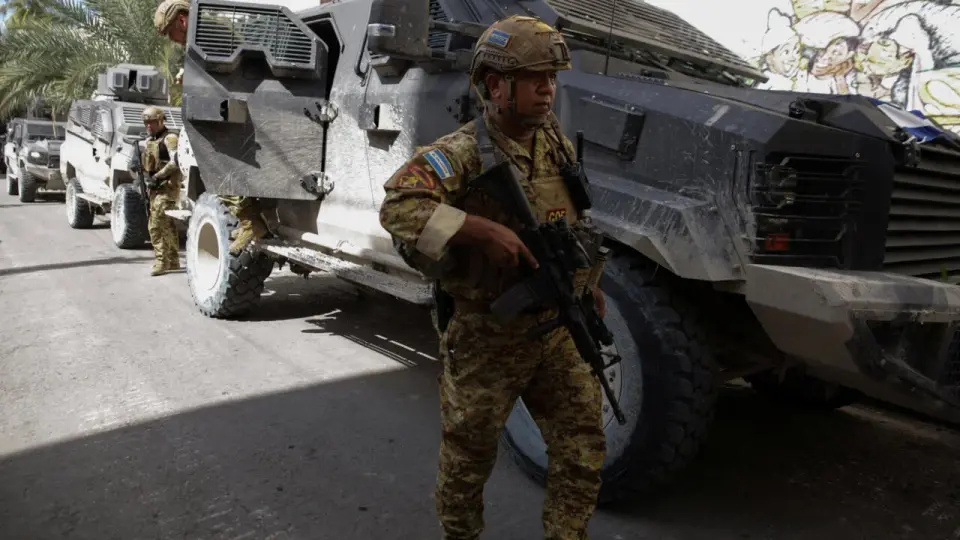
Haitian and Salvadoran security forces regained control of the Sylvio Cator Stadium in Port-au-Prince on November 12, ending two years of gang occupation. Salvadoran President Nayib Bukele announced the joint operation, claiming that human remains were found inside the venue and that a military base will be established there to launch further offensives. This follows a recent airstrike on a complex Bukele identified as the headquarters of the 400 Mawozo gang. While Haitian Prime Minister Alix Didier Fils-Aimé praised the cooperation, human rights organizations warn that the Salvadoran deployment operates outside UN oversight and may violate international law.
Key points
- Haitian National Police and a government task force seized the 10,000-capacity Sylvio Cator Stadium, handing security over to Salvadoran troops.
- Bukele stated that human remains were discovered in the stadium and that it will serve as an operational base for attacks on gang-controlled neighborhoods.
- The operation follows a Tuesday airstrike on a complex in Croix-des-Bouquets, which Bukele claimed destroyed the 400 Mawozo gang headquarters.
- The UN clarified that most of the 2,000 Salvadoran troops deployed to Haiti are not part of the UN-backed Gang Suppression Force and fall outside its mandate.
- Amnesty International urged both governments to disclose the terms of the deployment and ensure compliance with human rights laws.
Background
The crisis escalated after four Salvadoran aviation technicians were kidnapped by gangs in Port-au-Prince on October 18. In response, El Salvador deployed approximately 2,000 soldiers to the country. Previous archive coverage noted that while some Haitians support the military intervention, others fear escalation, and gang leaders have sought dialogue with the UN to halt operations. The violence has displaced thousands and left the national football team playing World Cup qualifiers abroad.
How outlets are covering it
France 24 and The Haitian Times report that the stadium was retaken on November 12, with The Haitian Times noting Bukele’s claim that human remains were found inside. BBC reports that Bukele announced the destruction of the 400 Mawozo gang headquarters on Tuesday, citing video of helicopter strikes, though it notes that the extent of damage and the presence of gang leader Wilson Joseph are unverified. Amnesty International USA emphasizes that the Salvadoran forces are not under UN command, raising concerns about accountability and human rights violations. While Bukele frames the actions as necessary to restore order, critics argue the operations lack legal oversight and risk exacerbating the humanitarian crisis.
Why it matters
The retaking of the stadium marks a significant shift in the power dynamic between the state and armed gangs in Haiti’s capital. However, the lack of UN oversight over the Salvadoran troops raises serious questions about the legality and sustainability of the security strategy. If the military approach fails to address the root causes of the crisis or violates human rights, it could deepen the humanitarian emergency and undermine long-term stability in the region.
What to watch
Salvadoran forces are expected to use the stadium as a base for further offensives into gang-controlled areas. Bukele has warned gang members to leave the area or face consequences. The international community will likely monitor the deployment closely, particularly regarding human rights compliance and the status of the four missing technicians. The fate of the gang leaders and the potential for renewed violence remain uncertain.
- Haitian police retake national stadium after two years of gang control France 24
- Haiti, Salvadoran forces retake Sylvio Cator Stadium from gangs, Bukele says | Breaking News The Haitian Times
- Haitian PM praises El Salvador after joint strike on alleged home of gang leader BBC
- Haiti: Haiti and El Salvador Governments Must Ensure Salvadoran Military Personnel Respect Human Rights Amnesty International USA
- El Salvador is exporting the ‘Bukele model’ to Haiti – but the gang offensive is a gamble for both nations The Conversation
Want the full story? Read the original reporting
Read on France 24