
Mossad researchers urge restraint on Iran as Gofman pushes strikes amid Netanyahu's political crisis
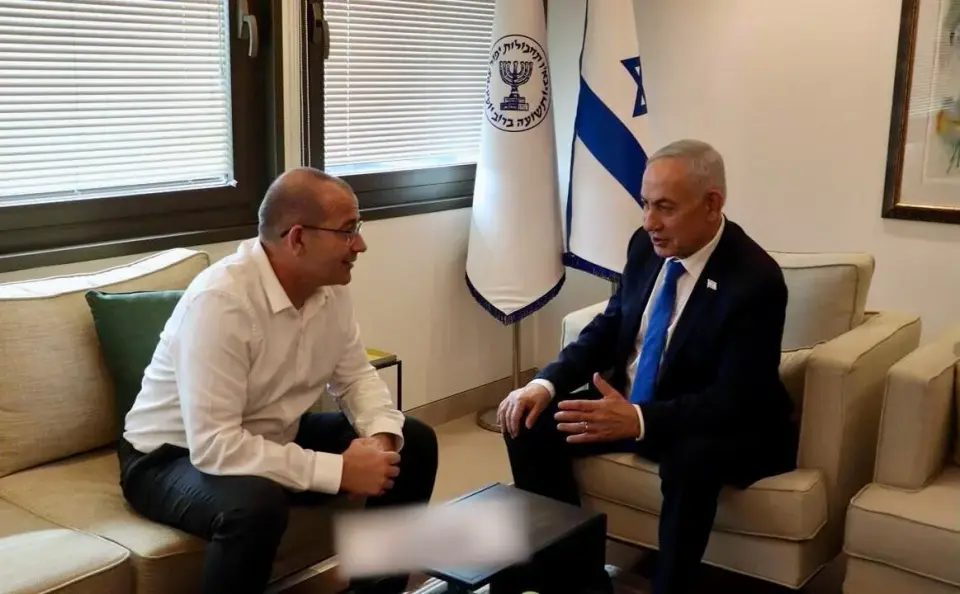
Mossad researchers advise against an immediate strike on Iran, contradicting director Roman Gofman's push for military action. While Netanyahu lobbies the US for joint attacks, IDF chief Eyal Zamir and opposition leaders argue for continued monitoring and economic pressure, citing a lack of urgent threat and political instability in Israel.
Key points
- Mossad researchers assessed that there is no immediate need for military action against Iran, a view Gofman has withheld from security forums.
- IDF Chief of Staff Eyal Zamir stated that Israel should wait for US coordination and focus on monitoring Iran's 440kg uranium stockpile and missile capabilities.
- Netanyahu, now a caretaker PM, is lobbying the Trump administration for joint strikes, while critics argue he seeks war to maintain political power.
- US and Israeli officials are divided, with some favoring sustained economic sanctions over a third round of hostilities that could spark a regional war.
- Gofman recently met with CIA Director John Ratcliffe in Washington to advocate for renewed strikes, despite internal dissent within the intelligence agency.
Background
This dispute follows Netanyahu's loss of parliamentary majority in late October 2026 and his subsequent push for a unity government. Earlier reports indicated he instructed Gofman to plan covert operations without informing the cabinet or IDF chief. The current standoff occurs amid failed US-Iran negotiations over the Strait of Hormuz and Trump's ambiguous stance on military action versus diplomatic pressure.
How outlets are covering it
Haaretz and The Times of Israel highlight a sharp internal Mossad divide, with researchers opposing Gofman's aggressive stance. The New York Times frames Netanyahu's push as a political maneuver to secure power, noting critics doubt the strategic value of a new strike. CBS News emphasizes the US-Israeli coordination, noting that while military assets are ready, Trump remains hesitant due to domestic opposition and the risk of a wider regional conflict. All sources agree that Zamir and opposition leader Gadi Eisenkot favor restraint, prioritizing economic pressure and monitoring over immediate kinetic action.
Why it matters
The decision to strike or hold could determine whether Israel enters a third major conflict with Iran during a fragile political transition. A strike risks a multifront war and undermines US-Iran diplomatic efforts, while inaction may embolden Iran's nuclear and missile programs. The outcome also hinges on whether Netanyahu can maintain influence as a caretaker PM or if power shifts to a new coalition.
What to watch
Watch for Trump's decision on whether to authorize joint strikes, potentially after the US Congress changes control in January. Monitor Mossad's internal assessments and whether Gofman continues to bypass dissenting views in security cabinets. Observe if Iran accelerates its nuclear enrichment or missile production in response to the stalemate.
- Mossad’s researchers see no urgency for Iran strike as chief pushes military action – report The Times of Israel
- Netanyahu Wants to Attack Iran. Does That Serve Israel or Him? The New York Times
- Trump Holds Off On Iran Strike As Netanyahu Presses For Joint Action - Report | LIVE BLOG i24NEWS
- Israeli Spy Chief Pressed for Renewed Iran Strikes During U.S. Visit WSJ
- U.S. and Israel considering new assault on Iran, sources say CBS News
Want the full story? Read the original reporting
Read on The Times of Israel