
Padlock and Sickle: A 17th-Century Polish Burial Reveals Graveyard Fear of the Dead
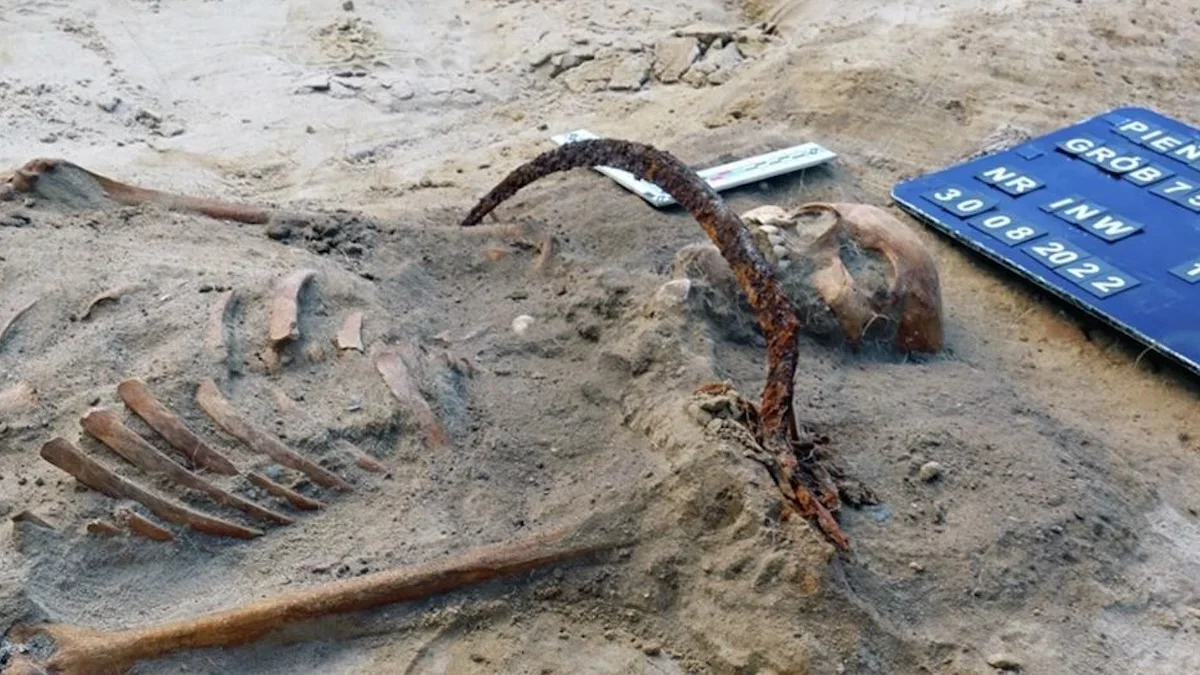
Archaeologists studying a 17th‑century Polish burial site uncovered “grave 75,” where a young woman was interred with a padlock on her toe to prevent return from death and later a sickle placed over her throat, signaling drastic anti-demonic measures by villagers. The non‑consecrated graveyard suggests social exclusion, and researchers note that such protections reflect widespread fears of revenants in the region. Genetic and grave goods analysis imply she was of high social status with some Scandinavian maternal ancestry. The tomb remained undisturbed for over 400 years and is described in the Journal of Archaeological Science: Reports, highlighting how communities attempted to curb supposed undead threats.
- Gruesome Discovery Shows 17th-Century Villagers Were Terrified of What Lurked in 'Grave 75' ScienceAlert
- Why Was This 17th-Century Polish Woman Buried With a Padlock on Her Toe and an Iron Sickle Across Her Neck? Smithsonian Magazine
- Archaeologists investigate a feared young woman's 17th century vampiric grave in Poland Phys.org
- DNA Study Probes Secrets of Sickle-Bound 'Vampire' Grave Newser
- Meet Zosia, the 17th-Century Vampire Suspect Buried With a Sickle at Her Throat Gizmodo
Reading Insights
1
6
6 min
vs 7 min read
92%
1,251 → 105 words
Want the full story? Read the original article
Read on ScienceAlert