
Joshua Wong Pleads Guilty to Second National Security Charge, Facing Potential Life Sentence
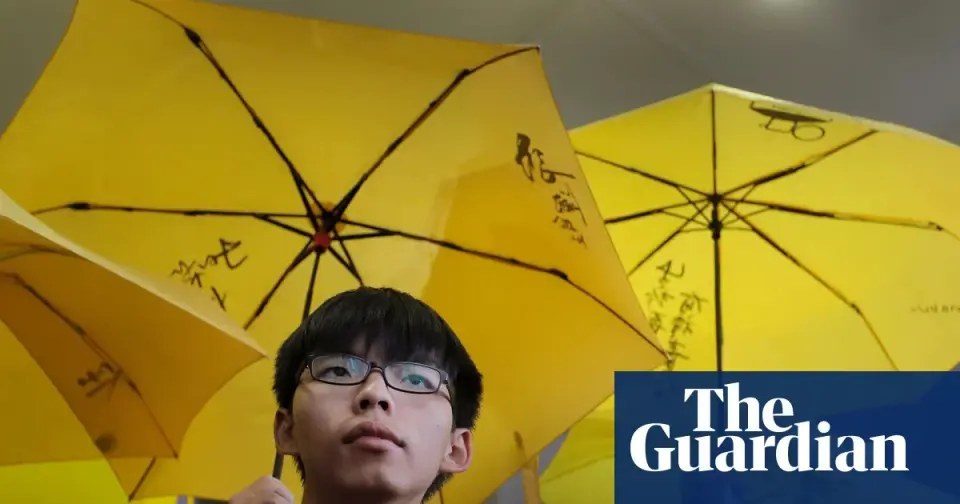
Hong Kong pro-democracy activist Joshua Wong has pleaded guilty to a second national security charge, conspiring to seek foreign sanctions against China and Hong Kong. The 29-year-old, who has been imprisoned since November 2020, faces a sentence ranging from three to 10 years, or life if deemed grave. This follows his 2024 conviction for subversion, where he received a four-year, eight-month sentence. Prosecutors allege Wong collaborated with exiled activist Nathan Law to lobby foreign governments, including the US, Germany, and Italy, for sanctions. While supporters argue the case is retroactive and politically motivated, Beijing maintains the National Security Law is necessary for stability. Wong’s plea marks the second time he has been prosecuted under the law, highlighting the ongoing crackdown on dissent in Hong Kong.
Key points
- Joshua Wong pleaded guilty to conspiring to seek foreign sanctions against Hong Kong and China under the National Security Law.
- The charge carries a maximum penalty of life imprisonment, though a guilty plea may result in a reduced sentence.
- Wong is already serving a four-year, eight-month sentence for subversion, with his current detention expected to end in January 2027.
- Prosecutors allege Wong and Nathan Law lobbied foreign governments, including the US, Germany, and Italy, for sanctions between July and November 2020.
- Wong is the only activist in Hong Kong prosecuted twice under the National Security Law, with supporters arguing the case is retroactive.
- Global rights organizations and former UK leaders have condemned the prosecution, calling it an attempt to silence dissent.
Background
Joshua Wong rose to prominence as a teenager during the 2014 Umbrella Movement and later led protests in 2019 against an extradition bill. He was imprisoned for his role in the 2014 demonstrations and released during the 2019 protests. In 2020, Beijing imposed the National Security Law on Hong Kong, which critics say has expanded to suppress dissent. Wong was convicted of subversion in 2024 for his role in an unofficial primary election. His second conviction underscores the law’s reach and the challenges faced by pro-democracy activists in Hong Kong.
How outlets are covering it
The Guardian and BBC report the facts of Wong’s guilty plea and the charges, noting his continuous imprisonment since 2020. The Washington Post, through an opinion piece by Frances Hui, emphasizes the political nature of the prosecution, arguing it is an attempt to silence dissent and calling for US support. Supporters, including the Committee for Freedom in Hong Kong Foundation, criticize the judicial system as compromised and argue the case is retroactive. Beijing and Hong Kong authorities maintain the National Security Law is necessary for stability, while critics like Human Rights Watch and Sophie Richardson describe the charges as a tool to suppress democracy and free speech. The BBC notes that Wong’s supporters are disheartened by the additional charge but hope for a lenient sentence given his over 2,000 days in prison.
Why it matters
Wong’s second national security conviction highlights the ongoing impact of the National Security Law on Hong Kong’s pro-democracy movement. The case underscores the law’s potential to impose severe penalties, including life imprisonment, for activities deemed to threaten national security. It also reflects the broader crackdown on dissent in Hong Kong since 2020, with activists facing prolonged detention or exile. The international response, including calls from rights organizations and former UK leaders, signals growing concern over the erosion of Hong Kong’s autonomy and the suppression of political expression.
What to watch
Wong is expected to be sentenced at a later date, with the possibility of a reduced sentence due to his guilty plea. His current sentence for subversion is due to end in January 2027, but the new charge could extend his detention. The case may influence international discussions on Hong Kong’s autonomy and the application of the National Security Law. Supporters and rights organizations are likely to continue advocating for Wong and other detained activists, while Beijing may use the case to reinforce its stance on national security.
- Hong Kong pro-democracy activist Joshua Wong pleads guilty in second national security case The Guardian
- Opinion | As a teen, he led Hong Kong protests. China is still punishing him. The Washington Post
- Hong Kong activist Joshua Wong pleads guilty to collusion with foreign entities Reuters
- Joshua Wong admits instigating sanctions against Beijing, Hong Kong governments South China Morning Post
- Hong Kong: Jailed activist Joshua Wong pleads guilty to foreign collusion under National Security Law BBC
Want the full story? Read the original reporting
Read on The Guardian