
German Investigators Link Vietnam Airlines Munich Runway Overrun to Captain's Brake Inputs
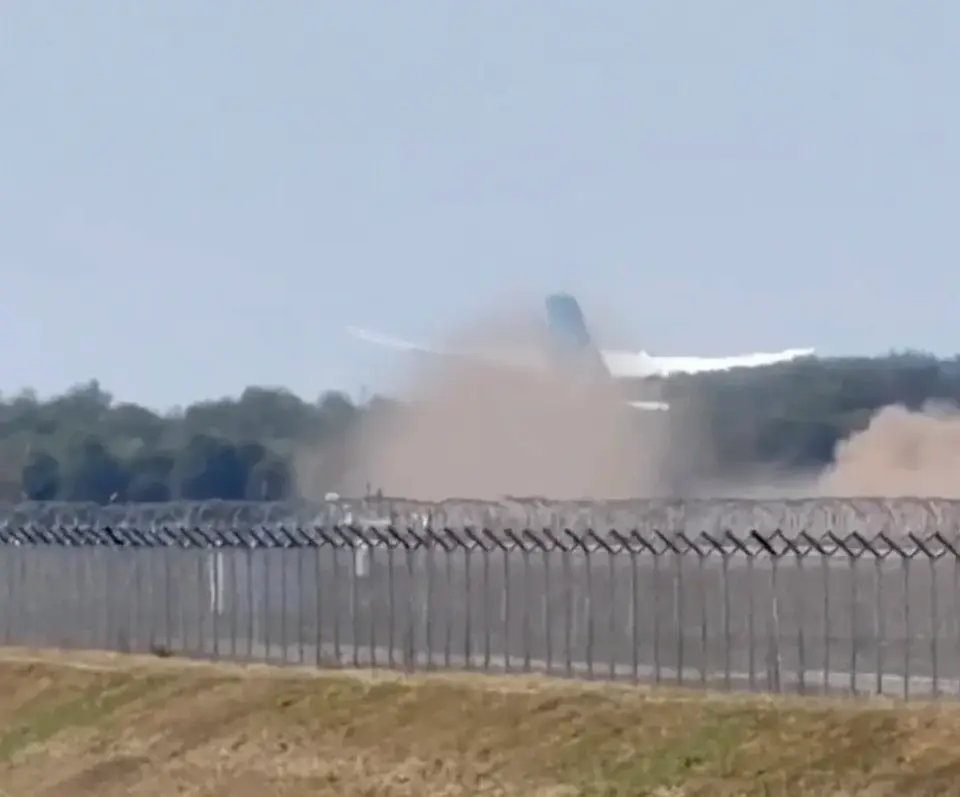
German investigators found that repeated brake pedal inputs from the captain's seat caused a Vietnam Airlines Boeing 787-9 to overrun the runway in Munich on August 15, 2026. The aircraft struggled to accelerate on a 13,000-foot runway, lifted off from the grass at a speed 12 knots below the required rotation speed, and suffered tail and tire damage. No injuries were reported, but the cause of the braking inputs remains under investigation.
Key points
- The German Federal Bureau of Aircraft Accident Investigation (BFU) released a preliminary report on the August 15, 2026, incident involving Vietnam Airlines flight VN34.
- Flight recorder data showed repeated brake pedal inputs from the captain's left seat during the takeoff roll, with maximum brake commands reaching 27% on the left and 17% on the right.
- The aircraft, weighing 240.9 tonnes, rotated at 163 knots, which was 12 knots below the calculated rotation speed (Vr) of 175 knots.
- The plane lifted off from the grass beyond the runway threshold, striking 20 light fixtures and causing tailstrike damage and shredded tires on the left main gear.
- The crew declared an emergency, jettisoned 62 tonnes of fuel, and landed safely at Munich with no injuries among the 287 people on board.
- The BFU has impounded the Brake System Control Units and Electric Brake Actuator Controllers to determine if the inputs were due to mechanical failure, electronic fault, or pilot error.
Background
This incident occurred on August 15, 2026, involving a Vietnam Airlines Boeing 787-9 departing Munich for Hanoi. Earlier coverage noted the aircraft overran the runway, suffered a tail strike, and had shredded tires before returning to land safely. The current briefing focuses on the preliminary findings released by the German authorities regarding the cause of the overrun.
How outlets are covering it
All three sources agree on the core finding: repeated brake inputs from the captain's seat during takeoff. One Mile at a Time emphasizes the 'bizarre' nature of the event and questions why the pilots did not abort the takeoff earlier, noting the captain's age and potential for human error or mechanical malfunction. AirLive provides detailed technical data, including specific timestamps, brake deflection angles (7.2 degrees out of 12.5), and the pilot monitoring's attempt to compensate by increasing thrust to 101%. Aviation Week focuses on the investigative process, highlighting that the BFU is analyzing the brake control units to distinguish between mechanical, electronic, or human causes. While One Mile at a Time speculates about intentional acts or confusion, the other sources maintain a neutral, technical focus on the recorded data and ongoing forensic analysis.
Why it matters
The incident highlights critical safety concerns regarding pilot interface with aircraft controls, specifically the proximity of rudder and brake pedals. The preliminary findings raise questions about why the crew did not abort the takeoff despite obvious performance issues, and whether mechanical or electronic faults could have caused unintended braking. The investigation into the 787-9's brake systems may lead to broader safety reviews or design changes to prevent similar incidents in the future.
What to watch
The BFU will continue its forensic analysis of the impounded brake system components to determine the root cause of the braking inputs. The final investigation report will clarify whether the incident was due to pilot error, mechanical malfunction, or electronic fault. Vietnam Airlines and Boeing may face scrutiny regarding the 787-9's control systems, and the airline may review its pilot training and operational procedures for takeoff aborts.
- Vietnam Airlines 787 Near-Disaster In Munich: Investigators Reveal A Bizarre Cause One Mile at a Time
- Vietnam Air Jet Deployed Brakes Twice Before Botched Takeoff Bloomberg.com
- REPORT Braking commands were applied while the Boeing 787-9 was actively accelerating prior takeoff airlive
- Brakes Activated During Takeoff: Investigators Reveal New Details In Vietnam Airlines 787 Munich Overrun Simple Flying
- Prelim Report Focuses On Braking In Vietnam 787 Overrun Accident Aviation Week
Want the full story? Read the original reporting
Read on One Mile at a Time