
Ten Years After FARC Peace Deal, Colombia Faces Deepening Crisis
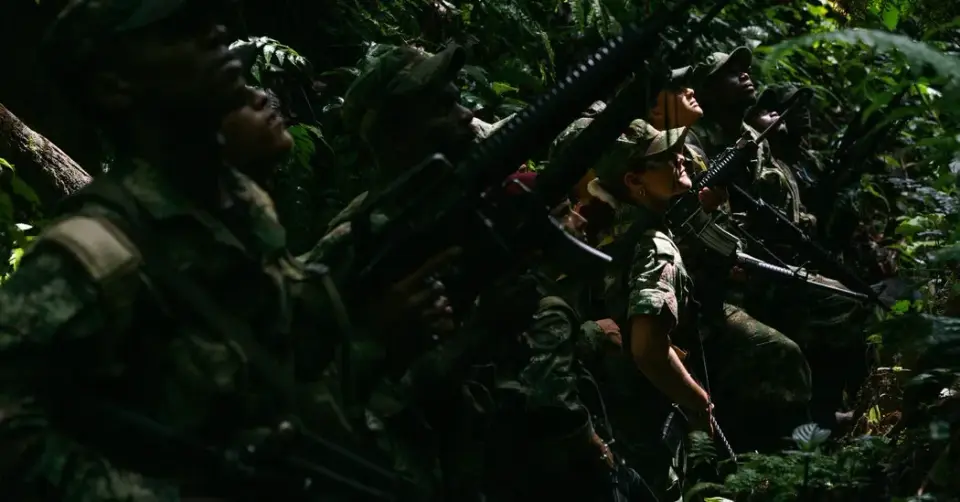
Marking the 10th anniversary of the 2016 peace accord, Colombia faces a mixed legacy. While the FARC disbanded, violence has intensified, humanitarian needs have surged by 40%, and the coca substitution program has largely failed due to state neglect and flawed design.
Key points
- The 2016 agreement ended a 50-year conflict, but Colombia now has more armed groups than before the deal.
- Humanitarian needs have risen from 5.8 million to over 8.1 million people since 2016.
- Coca cultivation has reached a record 261,000 hectares, up from 69,000 in 2014, despite substitution promises.
- Over 500 former FARC combatants have been killed since the accord was signed.
- The comprehensive rural reform promised in the accord remains largely unimplemented.
Background
The 2016 peace deal between the Colombian government and the FARC was hailed as a historic end to the Americas' longest war, which had claimed nearly half a million lives. The agreement included a 15-year implementation plan with pillars for rural reform, transitional justice, and drug policy. Previous coverage in our archive does not provide relevant background for this specific story, as it focuses on unrelated topics in the US and UK.
How outlets are covering it
The New York Times highlights the mixed legacy, noting that while the FARC disbanded, new conflicts and criminal economies have multiplied. The Norwegian Refugee Council emphasizes the humanitarian crisis, reporting that 75% of surveyed communities see the same or more violence than in 2016, and that 46% find conditions harder than a decade ago. ColombiaOne.com focuses on the failure of the coca substitution program, arguing that the state's historical neglect of rural areas and flawed program design led to its collapse. British MPs, via Justice for Colombia, express deep concern over the current government's hostility toward the peace deal and call for full implementation of the accord, including support for the transitional justice system. The sources agree that the peace is fragile, but they differ on the primary cause: some blame the current government's dismantling of programs, while others point to the original flawed design and historical state abandonment of rural communities.
Why it matters
The failure of the peace deal's implementation has led to a resurgence of violence, increased humanitarian needs, and a return to illicit drug economies. This undermines democratic stability and leaves millions of Colombians in poverty and fear. The crisis also highlights the broader challenges of achieving lasting peace in post-conflict societies, particularly when structural issues like land inequality and state neglect are not addressed.
What to watch
The accord's 15-year implementation period ends in 2031, with only five years remaining. The current government, led by President Abelardo de la Espriella, is set to reintroduce aerial spraying of coca, a policy that was suspended in 2015. International donors and the Colombian government must decide whether to fully fund and implement the remaining provisions of the peace deal, including rural reform and transitional justice, or if the conflict will continue to escalate.
- Colombia Marks 10 Years Since FARC Peace Deal: In Photos The New York Times
- British MPs Sign Anniversary Statement on Peace in Colombia Justice For Colombia
- Ten Years After Peace Accord in Colombia, Coca Substitution Failed for a Very Old Reason ColombiaOne.com
- Colombia: Ten years after peace deal, civilians see rising violence Norwegian Refugee Council
- What Ten Years Of The Colombia Farc Peace Deal Actually Delivered ИФЗ РАН
Want the full story? Read the original reporting
Read on The New York Times