
Report: Flydubai 737 MAX exceeded structural limits during hijacking attempt
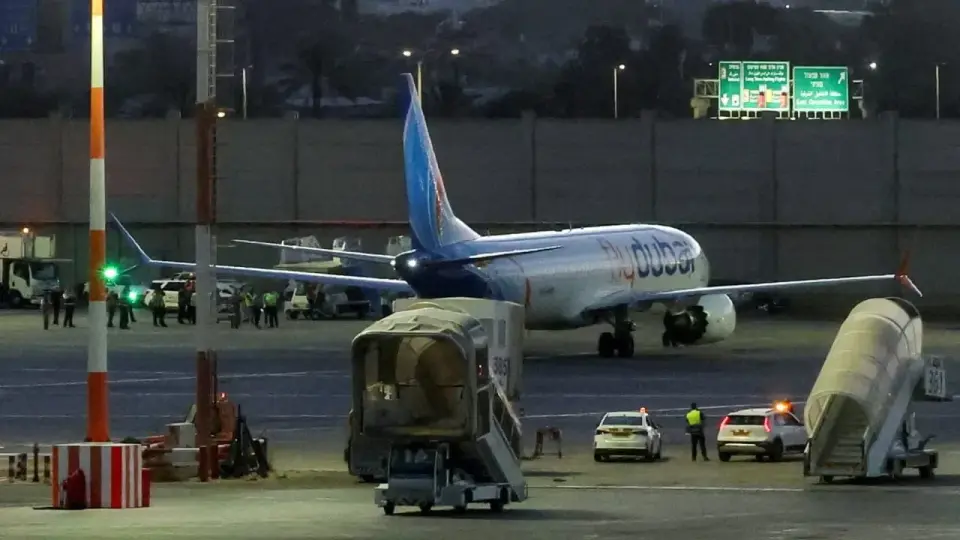
A Wall Street Journal report indicates that the rudder damage on Flydubai Flight FZ1073 resulted from the aircraft reaching near-supersonic speeds and extreme G-forces during a hijacking attempt. The plane, which lost 17,400 feet in 92 seconds, exceeded its structural limits, though it remained intact. UAE officials confirmed the copilot used a crash axe to attack the captain in a 'terrorist act.'
Key points
- The Boeing 737 MAX reached an estimated Mach 0.96, far exceeding its maximum maneuvering speed of 210-230 knots.
- The aircraft experienced approximately 3 Gs of force, surpassing the 2.5 G positive limit rated for the airframe.
- A large portion of the rudder broke off due to the extreme stress, but the plane remained structurally intact.
- UAE Attorney General Hamad Saif Al Shamsi stated the copilot used a crash axe to attempt a 'terrorist act.'
- The aircraft is currently parked in Tabuk, Saudi Arabia, pending a full inspection to determine airworthiness.
Background
This incident follows the September 30 hijacking attempt on Flydubai Flight FZ1073, which was diverted to Saudi Arabia after the copilot attacked the captain. Previous reports identified the attacker as Hammam al-Hamami, an Omani national previously barred from flying with Oman Air due to extremism concerns. The captain, Smit Machchhar, was credited with saving the flight by opening the cockpit door, allowing passengers to subdue the attacker.
How outlets are covering it
The Wall Street Journal and The Jerusalem Post focused on the technical analysis of the aircraft's performance, citing Flightradar24 data to show the plane exceeded its structural limits. The Spokesman-Review and Gulf News emphasized the security and legal aspects, highlighting the UAE's official statement that the attack was a 'terrorist act' and questioning pilot vetting procedures. The Indian Express source was inaccessible due to a server error.
Why it matters
The incident raises critical questions about aviation security, pilot vetting, and the structural resilience of commercial aircraft. The fact that the 737 MAX survived stresses far beyond its design limits, despite previous safety issues, highlights both the aircraft's durability and the severe risks posed by cockpit security breaches.
What to watch
Investigators will rely on the flight data recorder to confirm the exact speeds and forces experienced. Teams will examine the damage at Tabuk Airport to determine if the aircraft can be repaired and returned to service. UAE authorities will likely review pilot recruitment and screening measures to prevent similar incidents.
- Flydubai plane damage resulted from extreme speeds, angles, G-force loads The Jerusalem Post
- FlyDubai copilot used crash ax to attempt ‘terrorist act,’ UAE says The Spokesman-Review
- Why aircraft carry crash axes: Cockpit equipment explained after flydubai flight FZ1073 incident Gulf News
- AP News Summary at 10:20 a.m. EDT militarynews.com
- Flydubai FZ1073 attack: Co-pilot Hamam al-Hammami hit Smit Machchhar with crash axe, UAE says ‘terror act’ The Indian Express
Want the full story? Read the original reporting
Read on The Jerusalem Post