
Iran Expands Maritime Strikes Beyond Hormuz as Oil Prices Surge
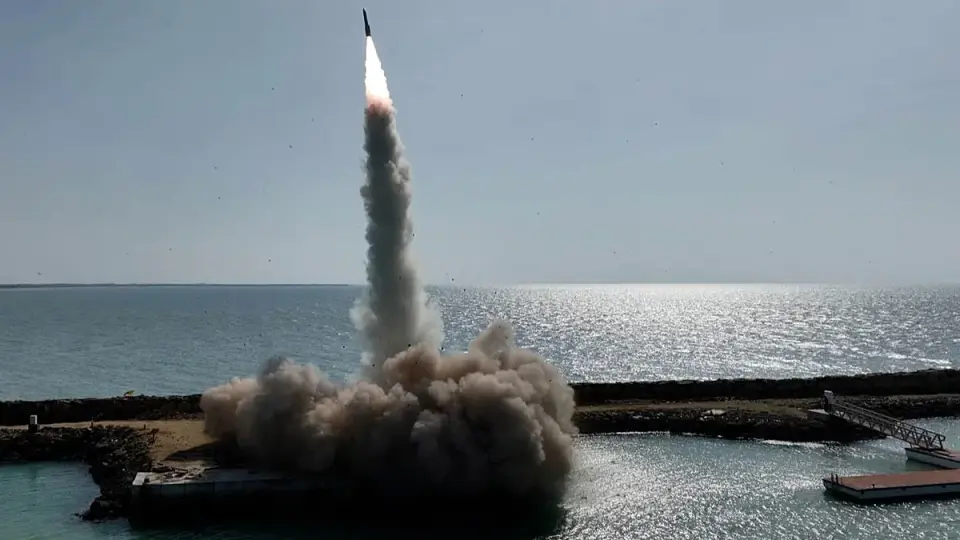
Iranian forces struck two commercial tankers outside the Strait of Hormuz within 24 hours, signaling an expansion of the conflict beyond the strait. The UK Maritime Trade Operations confirmed an attack on the Antigua-flagged Acers near Qatar, while Vanguard identified a fire on the Marshall Islands-flagged Dhalgout off Fujairah. These incidents coincide with Tehran’s declaration that it will close remaining transit routes in the strait, causing Brent crude to exceed $100 per barrel. US President Donald Trump announced he would not launch new attacks on Iran before the midterm elections, despite earlier controversial remarks about potential Iranian strikes on US cities.
Key points
- The Acers tanker was hit by multiple projectiles 51 nautical miles north of Madinat ash Shamal, Qatar, with casualties reported.
- A fire was detected on the Dhalgout tanker 40 kilometers off Fujairah, confirmed by NASA’s FIRMS system, though the cause remains unclear.
- Iranian officials stated they are extending operations to waters beyond the strait to target vessels violating Iranian regulations.
- Brent crude prices topped $100 per barrel as Iran declared the closure of southern transit routes in the Strait of Hormuz.
- US President Trump stated he will not attack Iran before the midterm elections, contradicting earlier reports of potential resumed military operations.
Background
Since the US and Israel began military operations against Iran in late February, the Strait of Hormuz has been effectively closed due to concurrent naval blockades. Previous escalations included US 'tanker-for-tanker' strikes in September and ongoing harassment by the IRGC. Traffic through the strait has remained significantly below pre-war levels, with Iran claiming full control while the US disputes this narrative. The current incidents mark the first attacks in the Gulf of Oman area in over six months, indicating a shift in Iranian tactical geography.
How outlets are covering it
Euronews emphasizes the deliberate expansion of Iranian attacks beyond the Strait of Hormuz, highlighting warnings from Acting Defence Minister Majid Ebn ol-Reza about extending the conflict to the Indian Ocean. The Guardian focuses on the economic impact, noting that oil prices rose above $100 per barrel and that Iran is closing remaining legal transit routes. While Euronews notes that Iran and IRGC-affiliated media did not officially claim responsibility for the specific tanker strikes, The Guardian reports that IRGC adviser Mohammadreza Naqdi declared the strait closed and accused the US of allowing smuggling routes. The two outlets also differ on the volume of oil flow; The Guardian cites US Secretary of State Marco Rubio claiming oil flow is near pre-war levels, while Euronews notes the strait remains effectively closed since February.
Why it matters
The expansion of attacks beyond the Strait of Hormuz threatens global energy supply chains, as the strait handles roughly one-fifth of global oil and gas shipments. Rising oil prices are increasing fuel costs for Americans, influencing the political landscape ahead of the midterm elections. The US decision to pause military strikes before the elections may create a temporary stalemate, but the threat of further escalation remains high as Iran asserts control over maritime routes.
What to watch
Iranian parliament is scheduled to hold a confidence vote on Mehrdad Akhlaqi as permanent defence minister on 18 October. The US has sent a third aircraft carrier to the region, potentially arriving by late October. Iran has warned of pre-emptive operations if it perceives aggression, while the US maintains its blockade of Iranian ports. The situation may evolve depending on whether Iran follows through on its threat to close remaining transit routes in the strait.
- Iran strikes tankers outside Hormuz in signs of expanding campaign Euronews.com
- Tanker hit by multiple projectiles in Gulf off Qatar, maritime agency says BBC
- Tanker attacked off Qatar as Iran claims route transporting oil through strait of Hormuz will be ‘closed’ The Guardian
- Attacks on tankers in Hormuz hit highest of any week since start of Iran war, sources say Reuters
- No Lights, No Radio: Getting Oil Through Hormuz Is a Risky Job Bloomberg.com
Want the full story? Read the original reporting
Read on Euronews.com