
Oleshky Evacuation: Russia Frames Aid as Loyalty Test, Ukraine Details Support for 80% Who Chose Kyiv
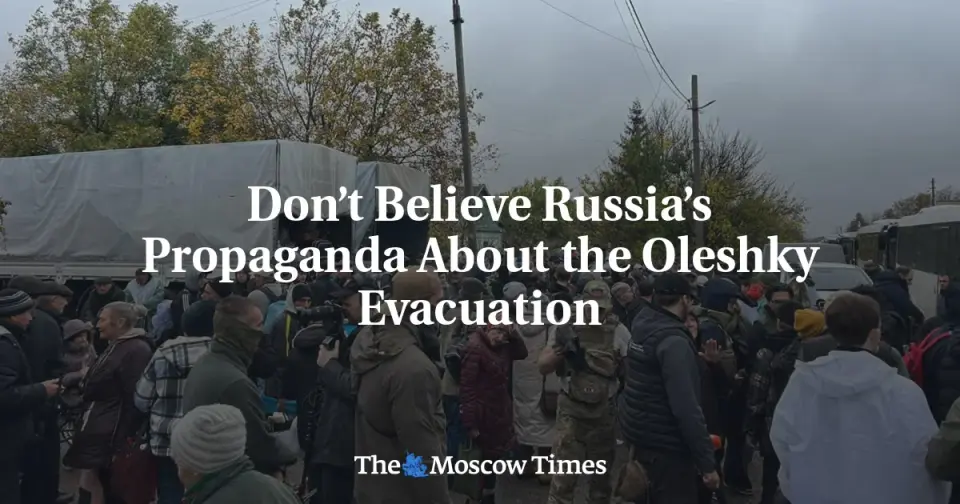
A six-day ceasefire in the Russian-occupied town of Oleshky, Kherson, facilitated a humanitarian mission that evacuated approximately 800 civilians. While Russian media framed the operation as a rescue from a 'Ukrainian blockade' and portrayed the choice to leave for Ukraine as betrayal, Ukrainian officials reported that roughly 80% of evacuees chose to return to Ukrainian-controlled territory. The operation exposed a severe humanitarian crisis, with residents facing food shortages since May, but also highlighted Russian efforts to control information and reinterpret civilian choices as political loyalty. Ukrainian authorities have since provided comprehensive aid, including housing, medical care, and legal documentation, to those who arrived.
Key points
- The ceasefire, brokered by US First Lady Melania Trump, ran from October 27 to November 1, allowing 25 buses to evacuate up to 750 people from Oleshky.
- Russian state media claimed the crisis was an 'artificial humanitarian catastrophe' caused by Kyiv, while Ukrainian sources and UN officials noted that food aid had not reached the town since May due to Russian restrictions.
- Ukrainian Ombudsman Dmytro Lubinets stated that approximately 80% of evacuees chose to go to Ukraine, a figure Russian commentators dismissed as 'population exchange' or 'benefit-seeking.'
- Russian occupation authorities reportedly pressured residents to register for evacuation to Russia or stay, warning that leaving for Ukraine could be seen as disloyalty, while jamming mobile signals to prevent communication with relatives.
- Ukrainian authorities have provided evacuees with temporary housing, bank cards, ID documents, medical care, and psychological support, with pets also being cared for in temporary shelters.
Background
Oleshky, in the Kherson region, has been under Russian control since February 2022. Before the invasion, the town had a population of roughly 24,000; by autumn 2026, only about 2,000 remained, mostly elderly residents. The town faced a severe humanitarian crisis, with food deliveries halted since May and the last medical evacuation in June. Ukrainian drones had been dropping food parcels since March, but Russian forces shot them down and detained recipients. The recent evacuation was part of a broader diplomatic effort, including a White House summit hosted by Melania Trump on November 5, though broader peace talks remain stalled.
How outlets are covering it
The Moscow Times and its contributors emphasize the propaganda nature of the Russian response, noting that Russian TV segments framed the evacuation as a rescue from a Ukrainian blockade and reinterpreted the choice to leave for Ukraine as a betrayal of Russian sovereignty. They highlight the lack of official Russian data on evacuee numbers and the pressure on residents to stay or go to Russia. Ukrinform, in contrast, focuses on the practical assistance provided by Ukrainian authorities to those who chose to return, detailing the issuance of documents, medical care, and housing. While The Moscow Times criticizes the Russian narrative as a tool to legitimize occupation, Ukrinform presents the evacuation as a successful humanitarian operation that saved lives and provided immediate relief. Both sources agree on the severity of the humanitarian crisis but differ in their interpretation of the political implications of the evacuation route and the choices made by residents.
Why it matters
The Oleshky evacuation highlights the intersection of humanitarian aid and information warfare in the Ukraine-Russia conflict. It demonstrates how occupying powers can use controlled evacuations to project an image of benevolence while restricting civilian freedom and reinterpreting choices as political loyalty. The event also underscores the role of international mediators, such as the US and the Vatican, in facilitating localized ceasefires, even as broader peace efforts remain stalled. For the residents of Oleshky, the evacuation provided immediate relief from a months-long humanitarian crisis, but it also exposed the risks of being trapped in occupied territory, where basic needs are controlled by the occupying power. The incident raises questions about the effectiveness of humanitarian missions in conflict zones and the long-term implications for the rights of civilians in occupied areas.
What to watch
Ukrainian authorities are continuing to provide support to evacuees, including temporary housing and medical care. Russian officials have proposed monthly humanitarian missions, with separatist official Oleg Tsarev describing the Oleshky operation as a 'rehearsal for peace.' However, broader peace talks remain stalled, with trilateral talks in Abu Dhabi expected to focus on postwar security. The ceasefire has ended, and fighting continues in other parts of Ukraine, including strikes on energy infrastructure. The future of Oleshky and other occupied areas remains uncertain, with ongoing concerns about the rights of civilians and the potential for further humanitarian crises.
- Don’t Believe Russia’s Propaganda About the Oleshky Evacuation The Moscow Times
- How Melania Trump Became a Dark-Horse Diplomat on Ukraine The New York Times
- Oleshky Ceasefire Demonstrates That Russia Has the Capability, but Not the Will, to End Civilian Suffering in Ukraine Institute for the Study of War
- Ukraine says rare ceasefire was cover for Russian regrouping Reuters
- Lubinets explains assistance provided to residents evacuated from Oleshky Ukrinform
Want the full story? Read the original reporting
Read on The Moscow Times