Armed gang clashes in Port-au-Prince force hundreds to flee their homes, scattering families along the road to Toussaint Louverture airport as authorities and aid groups scramble to respond.
Some 20,000 seafarers aboard about 2,000 ships have been effectively imprisoned for ten weeks in and around the Strait of Hormuz as fighting flares in the region, with dwindling food and water and ongoing threats from drones and missiles; the International Maritime Organization calls it an unprecedented humanitarian crisis, while the ITF coordinates repatriations and owners’ logistics and port access shape relief, leaving crews in limbo and families anxious.
A year after the SAF retook Khartoum, much of the capital is a ghost town as fighting continues across Sudan, exposing a massive humanitarian crisis with millions in need and displaced. Foreign backers, political infighting, and a politicized aid system complicate relief, while local activists and health officials voice resilience and advocate decentralizing health services to help rebuild the country.
Myanmar's military expands its ban on distributing sanitary products, accusing rebels of using them for medical aid; activists warn the policy worsens gender-based harm, raises prices, and exacerbates health risks in a country with a collapsing health system and widespread displacement.
A U.S. State Department delegation visited Havana to press Cuba for economic and political reforms demanded by the Trump administration, warning that time is limited to avert a deepening humanitarian crisis and signaling openness to a diplomatic solution.
Four years into Sudan's war, officials warn of a worsening humanitarian crisis described as abandoned, as civilians endure hardship under military control in Khartoum and the conflict disrupts daily life and education across the country.
Israel approved plans to broaden ground and air operations against Hezbollah in Lebanon, signaling a prolonged campaign and possible invasion as the conflict escalates, with Lebanon reporting thousands of deaths and more than a million displaced, and international concern over civilians as Israel seeks to shield its communities.
A magnitude-6 earthquake hit Cuba as the country endures rolling blackouts and a hospital system strained by shortages. Cuba blames a U.S.-led energy blockade for the crisis, while Washington denies responsibility and points to aid relief efforts. U.S. threats to cut oil imports and other sanctions, plus the loss of oil from Venezuela, have increased Cuba’s economic isolation. Critical services are fraying—hospitals lack supplies and fuel, water delivery relies on tanker trucks, and aid logistics are hindered by refueling and transport constraints—worsening conditions for vulnerable groups such as pregnant women.
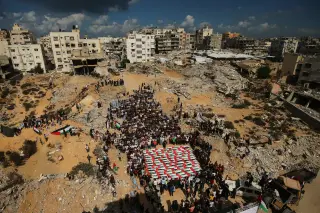
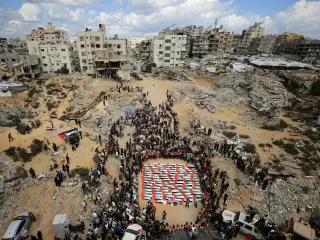
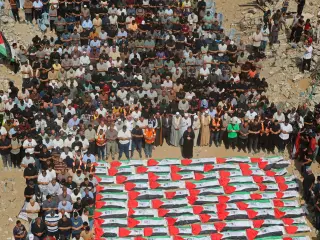
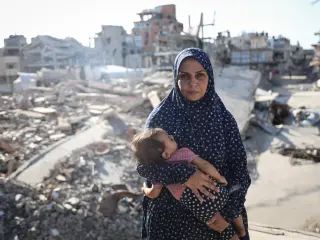
Israeli airstrikes in Gaza killed at least 13 people, including two boys, a pregnant woman, and nine police officers, with a strike on a home in Nuseirat and another on a police vehicle. The deaths underscore the ongoing humanitarian crisis as Gaza endures war, while the Rafah crossing is planned to partially reopen for limited passenger movement amid thousands awaiting medical treatment and supplies.
Israel launched a broad wave of strikes on Tehran, including near Mehrabad Airport, as Iran answered with drones and missiles at Israel and U.S. bases; President Trump demanded Iran's unconditional surrender, and U.S. officials said Russia had provided intelligence to Tehran, signaling a widening conflict. Oil prices surged and hundreds of thousands were displaced in Lebanon and beyond, with ongoing evacuations and humanitarian warnings as the fighting shows few signs of de-escalation.
Russia’s Kremlin warned that Cuba’s situation is escalating after Cuban border guards killed four exiles and wounded six aboard a Florida-registered speedboat that entered Cuban waters amid heightened tensions with Washington; Havana says the vessel was armed and that four Cuban exiles were killed, with U.S. officials weighing a response after an independent investigation, as Cuba grapples with a fuel shortage and international aid arrives from allies like Mexico.
Kyiv endures one of its coldest winters as Russia continues strikes on Ukraine’s energy infrastructure, leaving hundreds of thousands without heat or electricity and forcing residents into shelters and make‑shift warmth. With schools closed, homes plunged into subfreezing conditions and deaths from hypothermia mounting, civilians improvise with generators, stoves and tents while officials call the situation a humanitarian crisis and plead for international aid.
Millions have fled Sudan’s civil war, with refugees in Adré, Chad facing meagre rations and a shrinking aid response as violence continues; the international community is pressed to secure a humanitarian truce and a political settlement while civilians—especially women and girls—bear the cost.
Phase two of Trump’s Gaza peace plan introduces a technocratic governance structure and calls for Hamas disarmament, but it’s hampered by unclear withdrawal terms, ongoing Israeli security concerns, doubts about foreign-led oversight, and a dire humanitarian situation that risks derailing any progress.
Sudan's military-led government has returned to Khartoum from its wartime base in Port Sudan, with Prime Minister Kamil Idris pledging a 'year of peace' and reforms to electricity, water, healthcare and education as the capital rebuilds after nearly three years of brutal conflict that left roughly 150,000 dead and around 12 million displaced.