
Crimea’s Summer Crisis: Blackouts, Price Spikes, and Daily Survival
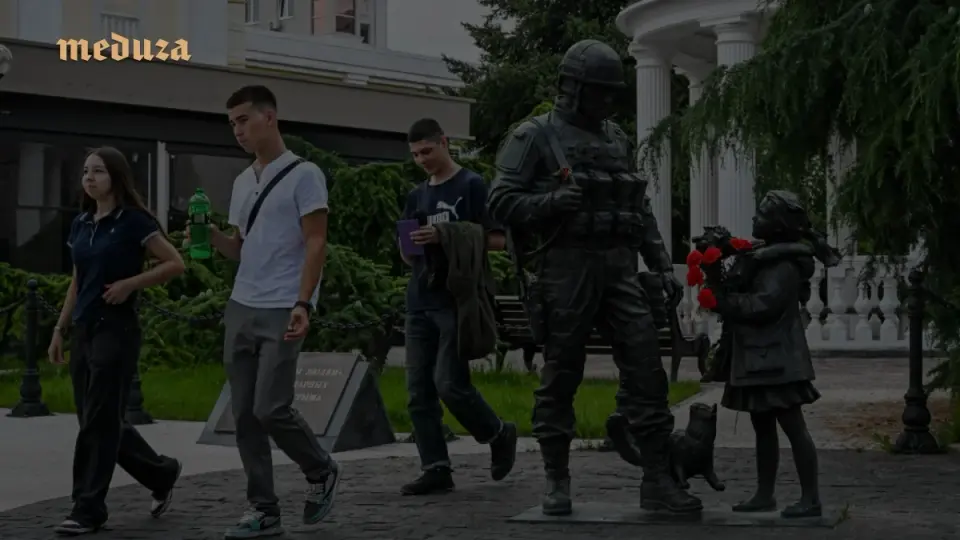
Summer 2026 has been the most severe for residents of Russian-occupied Crimea in decades, characterized by frequent Ukrainian drone strikes, prolonged power outages, and sharp price hikes. While infrastructure damage has crippled daily life, most residents remain due to personal ties or lack of alternatives, adapting through generators and rationing.
Key points
- Power outages last up to 12 hours daily, with voltage levels too low for refrigerators, forcing residents to cook food immediately after purchase.
- Gasoline prices have surged to 190-300 rubles per liter, with some resellers charging up to 500 rubles, causing long queues and supply shortages.
- Ukrainian strikes have destroyed major logistics hubs, including the Wildberries sorting center in Simferopol and the PUD distribution center in Chystenke.
- Food and staple prices have risen by approximately 30%, with perishable goods disappearing from shelves due to lack of cold storage.
- Residents report adapting by using inverter generators, washing clothes by hand, and driving to mainland Ukraine for cheaper fuel.
Background
This crisis follows a sustained campaign of Ukrainian strikes on Crimea’s energy and logistics infrastructure. In July 2026, Ukraine’s Unmanned Systems Forces reported hitting 83 power substations across occupied territories, including 12 in Crimea. Earlier in the month, the Kerch Bridge was temporarily closed after drone activity, and a Russian S-400 air-defense battery was destroyed. These strikes have progressively degraded the peninsula’s ability to maintain basic services, leading to the current state of systemic failure.
How outlets are covering it
Meduza provides a granular, human-centric view, highlighting how residents in Dzhankoi, Sevastopol, and Alupka are coping with daily hardships, such as hand-washing clothes and cooking over open fires. Ukrinform and Ukrainian Pravda focus on the military and logistical dimension, confirming the destruction of key warehouse complexes and widespread blackouts in cities like Simferopol and Sevastopol. While Meduza emphasizes the social and economic strain on individuals, the Ukrainian outlets frame the situation as a successful disruption of Russia’s rear logistics and energy networks. There is no direct disagreement, but a difference in emphasis: one focuses on the lived experience of survival, while the other highlights the strategic impact of the strikes.
Why it matters
The collapse of basic services in Crimea signals a significant shift in the war’s impact on occupied territories, moving beyond military targets to civilian infrastructure. The inability of Russian authorities to restore power or stabilize prices suggests a deepening logistical and economic crisis that could affect long-term stability and morale in the region.
What to watch
Residents are bracing for a severe winter, with concerns about heating costs and the lack of reliable power. If the current trend of infrastructure damage continues, the region may face further economic isolation and social unrest as basic necessities become increasingly scarce.
- ‘I don’t think beyond tomorrow’: How people in occupied Crimea are surviving one of the hardest summers of the war Meduza
- Large logistics hub destroyed in Russian-occupied Crimea – ATESH Ukrinform
- Two killed as Ukrainian drone strike hits Sevastopol bus Yahoo
- Explosions heard in occupied Crimea, power cuts hit several areas – video Українська правда
- 2 Killed in Crimea as Ukrainian Drones Strike Industrial Site in Perm Region The Moscow Times
Want the full story? Read the original reporting
Read on Meduza