
Ethiopian Forces Capture Aksum as Eritrea Denies Retreat Amid Tigray Conflict
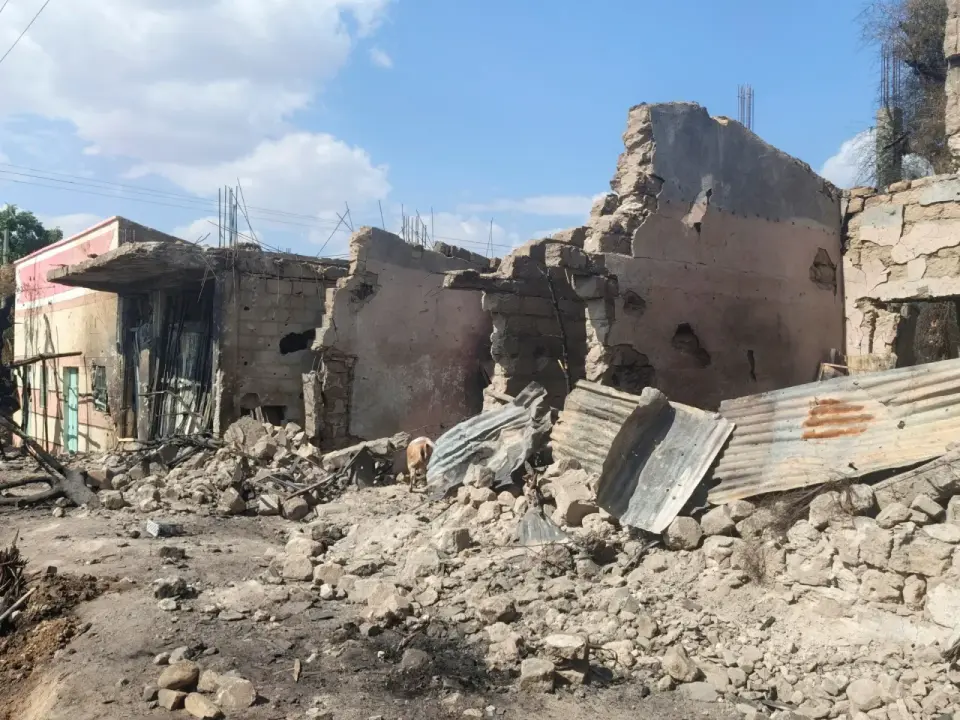
Ethiopian government forces and the pro-government Tigray Peace Force (TPF) have expanded their control in northern Ethiopia, capturing the historic city of Aksum and advancing toward the Eritrean border. While the TPF claims Eritrean troops are retreating and suffering heavy casualties, Asmara denies these reports and rejects accusations of cross-border intervention. The conflict, which began in September after the collapse of the 2022 Pretoria peace deal, has displaced over a million people and triggered a diplomatic crisis involving Sudan, Egypt, and Somalia. US Secretary of State Marco Rubio has called for de-escalation, warning that the region cannot tolerate further conflict. Independent monitors confirm Ethiopian advances but note that Tigrayan rebels remain active in mountainous areas, while humanitarian conditions in towns like Zalambesa have deteriorated significantly.
Key points
- Ethiopian forces and TPF allies captured Aksum and advanced toward the Eritrean border, with ACLED documenting troop movements near Zalambessa.
- The TPF claims Eritrean forces are retreating and sustaining significant casualties, but Eritrea’s Information Minister Yemane Gebremeskel rejected these claims as false.
- US Secretary of State Marco Rubio called for de-escalation in a phone call with PM Abiy Ahmed, stating the region cannot tolerate more conflict.
- The conflict began in September when TPLF forces seized three airports, leading to a federal counteroffensive that recaptured Mekelle, Adwa, and Adigrat.
- Humanitarian conditions are severe, with reports of no power or water in Zalambesa for a week, and over 700 wounded admitted to hospitals in Tigray.
- Ethiopia accuses Eritrea, Sudan, and Egypt of backing a seven-group rebel alliance, while these nations deny involvement and have severed diplomatic ties with Addis Ababa.
Background
This escalation follows the collapse of the 2022 Pretoria peace agreement, which had ended a two-year civil war in Tigray. The 2026 conflict differs from the 2020-2022 war due to the fragmentation of Tigrayan leadership and the formation of a broader anti-government coalition, the Ethiopian Peoples’ Forces Alliance for Survival (EPFAS). Previous archive coverage noted that Ethiopian forces claimed near-total control of Tigray by early October, with diplomatic ruptures with Eritrea and other neighbors signaling a widening regional crisis. The current fighting has displaced over a million people and raised fears of a wider interstate conflict in the Horn of Africa.
How outlets are covering it
Al Jazeera and AFP report on the military advances and the disputed claims regarding Eritrean losses, noting that independent verification is lacking. The Conversation provides historical context, arguing that ceasefires are often mistaken for political settlements and that Ethiopia’s constitutional foundations remain contested, contributing to recurring conflicts. NewsCord highlights the humanitarian impact, citing BBC reports of 52 civilian deaths in Alamata and the suspension of banking and internet services in Tigray. Just Security analyzes the strategic differences from the 2020-2022 war, noting that the current conflict involves a multi-regional coalition and external actors, with Eritrea and Amhara’s Fano militia now opposing the federal government. All sources agree on the severity of the humanitarian crisis and the diplomatic tensions, but differ in emphasis: Al Jazeera focuses on the immediate military situation, The Conversation on structural causes, NewsCord on civilian impact, and Just Security on geopolitical implications.
Why it matters
The conflict threatens to destabilize the Horn of Africa, with potential for a wider interstate war involving Eritrea, Sudan, and Egypt. The collapse of the 2022 peace deal undermines efforts to resolve Ethiopia’s internal divisions and raises concerns about the protection of civilians and humanitarian access. The diplomatic crisis, including severed ties with Eritrea and expulsions of diplomats, signals a shift in regional alliances and could impact Red Sea security and Nile water management. The involvement of multiple armed groups and external actors complicates peace negotiations and increases the risk of prolonged instability.
What to watch
Ethiopian forces may continue to advance toward the Eritrean border, potentially leading to direct confrontation with Eritrean troops. The US and UN are likely to continue diplomatic efforts to de-escalate the conflict, but the lack of a political settlement and the presence of multiple armed groups make a resolution uncertain. Humanitarian conditions are expected to worsen as fighting continues and access to basic services remains blocked. The federal government may focus on restoring services in recaptured territories to win civilian support, while TPLF forces may shift to guerrilla tactics in mountainous areas.
- Ethiopian forces expand control in Tigray as militia claims Eritrean losses Al Jazeera
- Ethiopia's Abiy names new Tigray government, wants polls in six months Reuters
- Can Ethiopia ever be at peace? Four reasons conflict keeps flaring up The Conversation
- Ethiopian Federal Forces Kill 52 Civilians In Fighting With TPLF Around Alamata: who 5 outlets blamed NewsCord
- Ethiopia’s Fragile Peace Has Broken – But This is Not the 2020-2022 Conflict Just Security
Want the full story? Read the original reporting
Read on Al Jazeera