
Ethiopia’s Northern Fronts Collapse as Rebel Alliance Seizes Airports and Cuts Communications
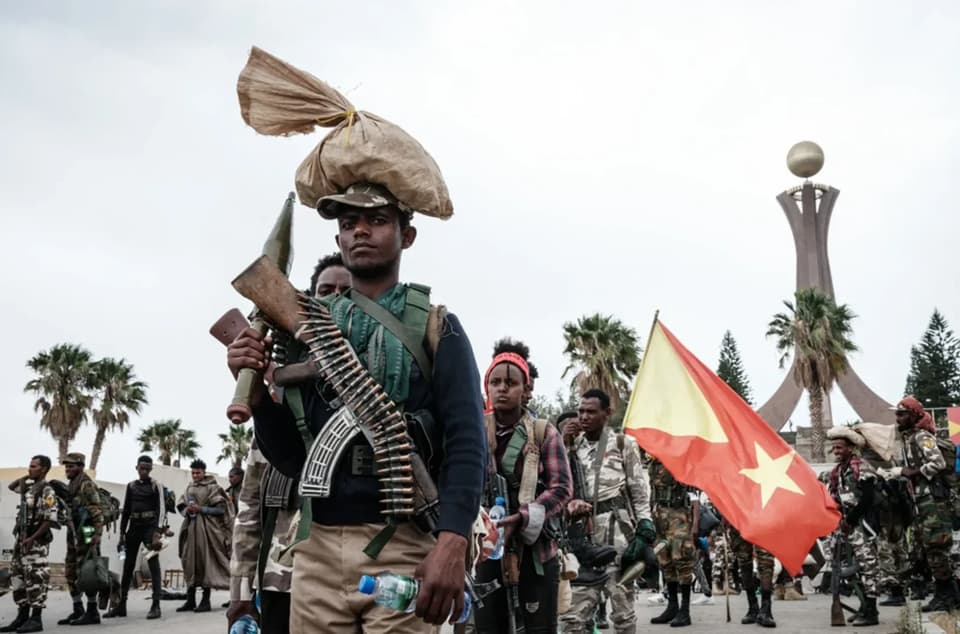
Ethiopian federal forces claim to have repelled Tigray People’s Liberation Front (TPLF) attacks in the north, marking the first official government statement since fighting resumed on Wednesday. The conflict effectively invalidates the 2022 Pretoria peace agreement, with the TPLF seizing three airports and launching offensives into Afar and Amhara regions. While Addis Ababa reports heavy enemy casualties, Tigrayan leaders describe the situation as 'full-blown war.' The escalation follows the formation of a new seven-group rebel alliance aimed at overthrowing Prime Minister Abiy Ahmed, raising fears of a renewed civil war that previously killed an estimated 600,000 people.
Key points
- The Ethiopian federal army claims to have killed 272 Tigrayan fighters and wounded 260 in a counter-offensive in North Wollo, while Tigrayan forces describe the situation as a 'full-scale offensive' involving infantry, mechanized units, and drones.
- The Tigray People’s Liberation Front (TPLF) and six other armed groups have formed the Ethiopian Peoples’ Forces Alliance for Survival, with the stated aim of removing Prime Minister Abiy Ahmed’s government from power.
- The conflict has spread from Tigray into neighboring Afar and Amhara regions, with fighting reported around Abala, Sama, Soqota, and Raya Alamata, and the TPLF seizing control of airports in Mekelle, Aksum, and Shire.
- The African Union has called for an immediate cessation of hostilities and a return to direct talks, while the UN and EU have warned against a wider and more devastating conflict, urging restraint and dialogue.
- The 2022 Pretoria Agreement, which ended a brutal two-year civil war in Tigray, is under severe strain, with the federal government accused of sabotaging its provisions and failing to set up the promised interim administration.
Background
The current conflict follows the 2020-2022 civil war in Tigray, which killed an estimated 600,000 people and drove the region to the brink of famine. The 2022 Pretoria Agreement, brokered by the African Union, ended the war but left several issues unresolved, including the status of western Tigray, disarmament, and the governance of Tigray. The federal government has been accused of sabotaging the agreement by imposing fuel, service, and cash restrictions on Tigray and failing to set up the promised interim administration. The new rebel alliance, formed in September 2026, includes groups that were on opposite sides during the civil war, such as the TPLF and the Amhara Fano militia, but share the common objective of removing Abiy Ahmed’s government.
How outlets are covering it
The Ethiopian federal government, represented by Army Chief of Staff Field Marshal Berhanu Jula, claims to be responding to provocations from the Tigray front with 'wisdom and restraint' and accuses Eritrea of funding and supporting armed groups to weaken Ethiopia. The TPLF, on the other hand, describes the situation as a 'full-scale offensive' by the federal government, involving infantry, mechanized units, and drones, and accuses the government of launching a 'full-scale offensive' against Tigrayan forces. The African Union and the UN have called for an immediate cessation of hostilities and a return to direct talks, while the EU has warned against a wider and more devastating conflict. The BBC notes that the two sides disagree over who started the latest escalation, with the TPLF claiming it was responding to a federal offensive, including drone strikes, while the government says Tigrayan forces attacked first after seizing control of airports in Tigray. ACLED reports that the Gumuz Peoples Democratic Movement has refuted its membership in the Alliance for Survival, stating that the political party does not presently possess an armed wing, and that the UAE has publicly criticized the TPLF and the new alliance in a statement.
Why it matters
The current conflict threatens to reignite a full-scale civil war in Ethiopia, which could have devastating consequences for the region. The 2020-2022 civil war in Tigray killed an estimated 600,000 people and drove the region to the brink of famine, and the current escalation could lead to a similar outcome. The conflict also threatens to draw in armed groups from across Ethiopia, including the Amhara Fano militia and the Oromo Liberation Army, and could potentially involve Eritrea, which has a long history of conflict with Ethiopia. The African Union and the UN have warned against a wider and more devastating conflict, and the current escalation could have significant implications for regional stability and security.
What to watch
The African Union has called for an immediate cessation of hostilities and a return to direct talks, and the UN and EU have warned against a wider and more devastating conflict. The federal government has accused Eritrea of funding and supporting armed groups to weaken Ethiopia, while Eritrea has denied the accusations. The TPLF has described the situation as a 'full-scale offensive' by the federal government, and the government has claimed to have repelled attacks across seven North Wello localities, killing 272 and wounding 260. The conflict has spread from Tigray into neighboring Afar and Amhara regions, and the TPLF has seized control of airports in Mekelle, Aksum, and Shire. The African Union has asked former Nigerian President Olusegun Obasanjo, the AU's special Horn of Africa envoy, to engage the parties urgently, and the UN Secretary-General has expressed grave concern about the airport seizures and the spread of fighting beyond Tigray.
- Ethiopia’s army promises restraint amid fears of new civil war Al Jazeera
- Telecoms networks disrupted in Tigray as Ethiopia's military cites major losses by rebels Reuters
- Ethiopia risks a wider war. Here are 5 things to know AP News
- Ethiopia fighting: Are Tigray's TPLF forces and the army heading back to war? BBC
- ACLED ALERTS: Ethiopia Conflict Live ACLED
Want the full story? Read the original reporting
Read on Al Jazeera