
Canadian police name Irish immigrant as 1968 teen murder suspect via DNA
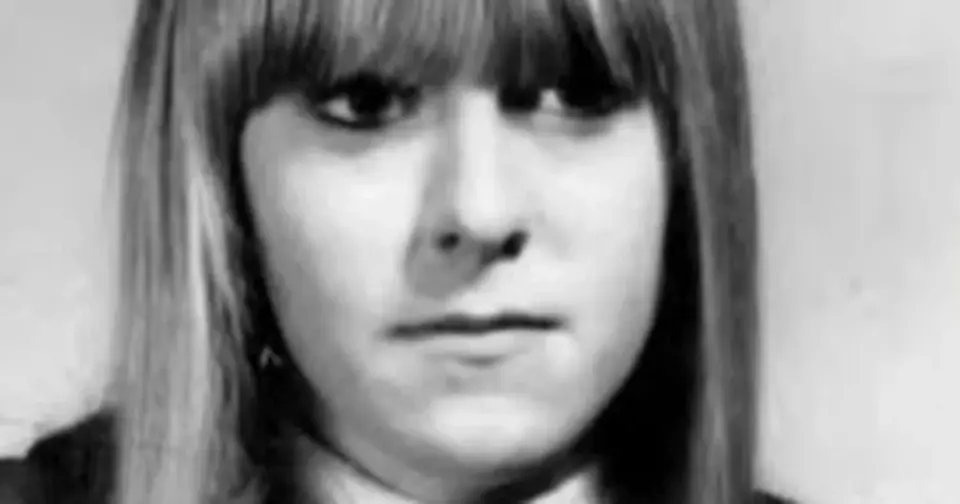
London, Ontario police identified Michael Joseph Moore as the killer of 16-year-old Jacqueline Dunleavy, who was strangled in 1968. Moore, an Irish immigrant who died in 2018, was identified through forensic genetic genealogy. Authorities stated that had he been alive, he would have faced charges, providing closure for the victim's family after nearly six decades.
Key points
- The London Police Service announced the identification of Michael Joseph Moore as the person responsible for the 1968 murder of Jacqueline 'Jacky' Dunleavy.
- Dunleavy, 16, was found dead at a school site less than two hours after leaving her shift at a variety store on January 9, 1968; strangulation was the cause of death.
- Moore, who emigrated from Ireland to Canada in 1967, was 25 at the time of the killing and later worked as a firefighter for 28 years, retiring as a captain in 2002.
- Investigators used DNA evidence preserved from the 1968 crime scene and sent it to Othram Labs in Texas for forensic genetic genealogy analysis to build a family tree and identify Moore.
- Moore died on March 3, 2018, meaning no criminal charges could be laid, but police stated the evidence met the threshold for prosecution had he been alive.
- The victim's father was a London police officer, and the case was previously reviewed under Project Angel but remained unsolved until the recent genetic breakthrough.
Background
This case is part of a broader effort by Canadian law enforcement to solve cold cases using modern forensic technologies. While the archive contains unrelated news items, the current story highlights the effectiveness of genetic genealogy in resolving historical crimes where traditional methods failed. The Dunleavy case had been revisited by the Ontario Provincial Police in the late 1990s but lacked the technological tools to identify the suspect until now.
How outlets are covering it
All four sources (NBC News, CBS News, CBC, and RTE.ie) agree on the core facts: the identification of Michael Joseph Moore as the killer of Jacqueline Dunleavy via DNA genealogy. CBC provides the most detailed background, noting that Moore was not a suspect during the 1997-2001 Project Angel review and that his name was lost from records until the recent genetic match. CBS News emphasizes the emotional impact on the family, quoting the police chief's description of Dunleavy as having her 'entire life ahead of her.' NBC News and RTE.ie focus on the procedural aspects, highlighting the use of the Texas-based lab Othram and the preservation of 1968 evidence. There is no disagreement among the outlets regarding the outcome or the method used.
Why it matters
The resolution of this nearly 60-year-old case demonstrates the long-term value of preserving forensic evidence and the power of genetic genealogy in solving cold cases. It provides closure for the Dunleavy family and the community of London, Ontario, while also illustrating how advancements in DNA technology can overcome the limitations of past investigative tools. The case also highlights the importance of inter-agency cooperation, involving the London Police Service, Ontario Provincial Police, and Toronto Police Service.
What to watch
Authorities are appealing to the public to come forward with any historical information regarding Michael Joseph Moore or the 1968 incident. While no further legal action is possible due to Moore's death, police hope that the identification will help resolve other unsolved cases in the region and provide a complete historical record. The London Fire Department has also issued statements supporting its staff in light of the news regarding a former employee.
- Nearly 6 decades after teen was killed while leaving job, Canada authorities know who did it NBC News
- Cold case murder mystery solved 58 years after girl found dead: "Had her entire life ahead of her" CBS News
- London, Ont., police solve 1968 murder of teenager Jackie Dunleavy using genetic genealogy CBC
- Irish man identified as murderer of Canadian girl in 1968 RTE.ie
- Former London fire captain identified in 1968 killing of Jacqueline Dunleavy CTV News
Want the full story? Read the original reporting
Read on NBC News