
Eisenkot signs first coalition pact with Lieberman as Democrats suspend talks
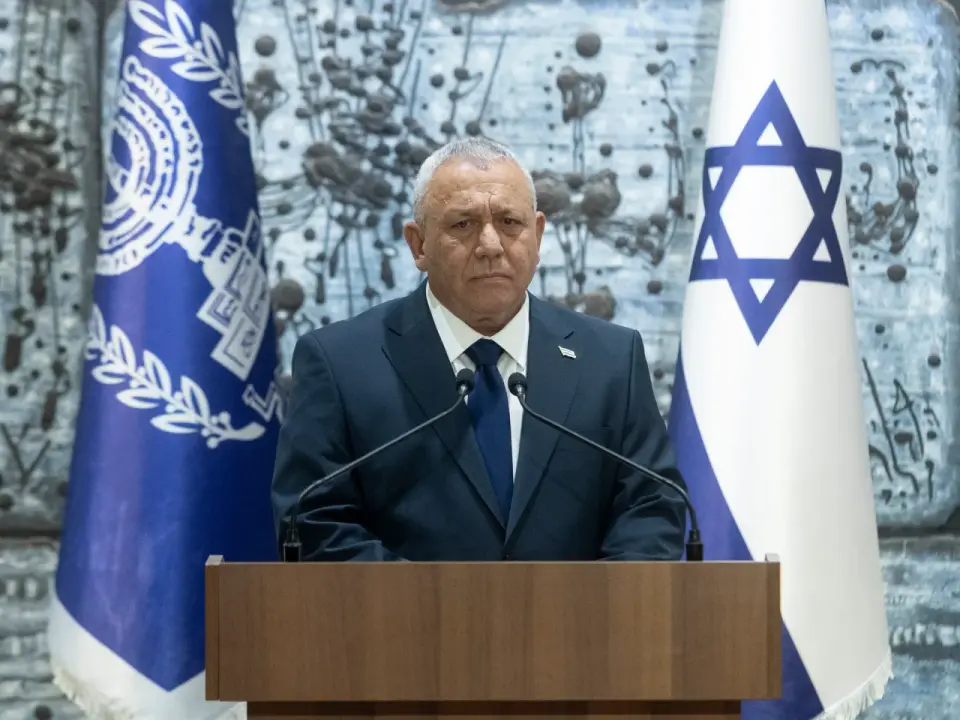
Gadi Eisenkot’s Yashar party has signed a coalition agreement with Avigdor Lieberman’s Yisrael Beytenu, marking the first formal alliance in the post-election scramble. This move coincides with the left-wing Democrats party halting negotiations with Eisenkot, citing progress in unity talks with Netanyahu’s Likud. Eisenkot faces a 28-day deadline to form a government, with potential paths including a minority cabinet or an ultra-Orthodox coalition, while Netanyahu remains caretaker prime minister.
Key points
- Yashar and Yisrael Beytenu agreed to sign a coalition pact on November 24, the first such agreement since the October 27 elections.
- The Democrats party suspended talks with Yashar, citing 'progress' in unity negotiations with Likud and a stalemate within the anti-Netanyahu bloc.
- Eisenkot has until December 6 to form a government, with a possible 14-day extension; failure would allow Netanyahu to attempt formation or trigger new elections.
- Negotiations with ultra-Orthodox parties are ongoing, with reports of a draft framework to preserve military exemptions, though Yashar denies significant progress.
- Likud and Yashar are holding fourth-round talks on a potential unity government, focusing on judicial overhaul reversals and a rotation premiership.
Background
Since the October 27 election, Israel has faced a parliamentary deadlock. President Isaac Herzog tasked Eisenkot with forming a government on November 8, as no party secured a 61-seat majority. The Knesset was sworn in on November 10 without a new cabinet. Eisenkot’s core bloc holds 48 seats, while Arab-led parties hold 19, and Likud holds 53. Previous attempts to form a coalition were hindered by disagreements over ultra-Orthodox conscription and Arab party participation.
How outlets are covering it
Al Jazeera emphasizes the strategic significance of the Yashar-Yisrael Beytenu pact, noting it was unforeseen given Lieberman’s prior opposition to Arab-backed governments. The Times of Israel highlights the internal fractures in the anti-Netanyahu bloc, detailing the Democrats’ suspension of talks and Eisenkot’s potential pivot to a minority government or ultra-Orthodox coalition. Le Monde focuses on the Democrats’ decision to halt talks, framing it as a reaction to Eisenkot’s engagement with Likud, and notes Likud’s public mockery of the opposition’s disunity. All sources agree on the core facts but differ in emphasis: Al Jazeera on the coalition breakthrough, The Times of Israel on the procedural complexities and Haredi negotiations, and Le Monde on the left-wing party’s withdrawal.
Why it matters
The outcome of these negotiations will determine whether Israel avoids a fourth election in four years. Eisenkot’s success or failure will shape the future of the judicial overhaul, ultra-Orthodox conscription, and Israel’s relationship with Arab parties. A unity government with Netanyahu could preserve the status quo, while a change bloc government might reverse key policies. The deadlock also reflects broader tensions over national identity, security, and democratic norms in Israel.
What to watch
Eisenkot must decide whether to pursue a unity government with Likud, a coalition with ultra-Orthodox parties, or a minority government. The fourth round of Likud-Yashar talks is scheduled for November 25. If Eisenkot fails by December 6, the mandate may pass to Netanyahu, or new elections could be called in 2027. The ultra-Orthodox parties’ response to the draft conscription framework will also be critical.
- Israel’s Eisenkot secures first coalition partner in bid to form government Al Jazeera
- Israel's Eisenkot clinches first coalition agreement in bid to form government Reuters
- Democrats party declares suspension of coalition talks with Yashar amid ‘stalemate’ The Times of Israel
- Why Eisenkot is negotiating with Netanyahu Al Jazeera
- Israeli left-wing party halts coalition talks with Eisenkot Le Monde.fr
Want the full story? Read the original reporting
Read on Al Jazeera