
Costa Rican Journalist Camilo Rodríguez Shot Dead in Suspected Contract Killing
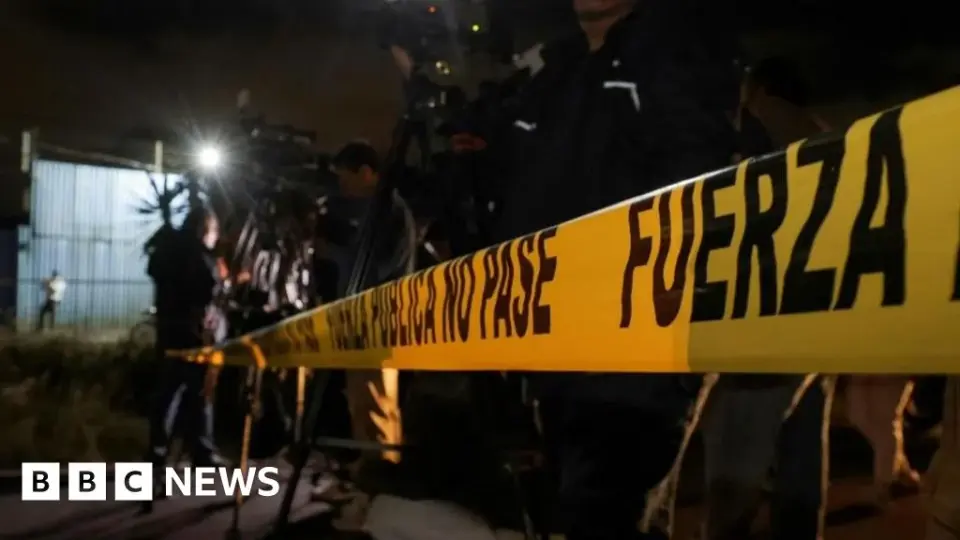
Independent journalist Camilo Rodríguez was shot dead on a highway near San José, marking the first journalist killing in Costa Rica in 25 years. Authorities describe the attack as a likely contract killing linked to his public accusations of corruption and drug ties among political and business figures. Rodríguez had reported multiple death threats but declined witness protection. President Laura Fernández condemned the murder as an attack on freedom of expression, while investigators search for the gunmen and potential masterminds.
Key points
- Camilo Rodríguez, 50, was shot by two men on a motorcycle in Santo Domingo de Heredia on Monday afternoon.
- The attack is described by the Attorney General as resembling a contract killing, with no arrests announced as of Tuesday.
- Rodríguez had filed approximately 10 complaints regarding death threats in the past two years but declined to enter a witness protection program.
- The killing is the first of a journalist in Costa Rica in 25 years, following the 2001 murder of radio producer Parmenio Medina.
- Rodríguez had recently alleged that President Laura Fernández’s home was built with money linked to a drug trafficker, a claim that led to a defamation lawsuit during the 2025 campaign.
Background
Costa Rica has historically been regarded as one of Central America’s safest democracies, but transnational crime groups have increasingly used the country as a logistics hub for drug trafficking. This shift has driven up the homicide rate, which doubled between 2013 and 2023. The current administration, led by President Fernández, has campaigned on cracking down on this crime wave, drawing inspiration from El Salvador’s security policies. The recent murder highlights the growing tension between press freedom and organized crime in the region.
How outlets are covering it
BBC and The Guardian emphasize the symbolic nature of the killing as the first journalist murder in 25 years, framing it as a silencing of dissent. CBS News highlights Rodríguez’s claim that he provided reports to the U.S. Drug Enforcement Administration, a detail not independently verified by other outlets. The Tico Times provides the most granular forensic details, noting that investigators recovered nine to 10 shell casings and that Rodríguez had filed 10 specific threat complaints. While all sources agree on the basic facts of the shooting, they differ in emphasis: BBC focuses on the political implications, CBS on the international dimension, and The Tico Times on the procedural and forensic aspects of the investigation. President Fernández’s response is consistent across sources, condemning the act regardless of the content of Rodríguez’s statements, while Attorney General Díaz consistently describes the scene as a contract killing.
Why it matters
The murder of Camilo Rodríguez signals a potential shift in Costa Rica’s security landscape, challenging its long-standing reputation for press freedom and stability. It raises concerns about the safety of journalists who investigate organized crime and corruption. The case may influence public perception of the government’s ability to protect dissenting voices and could impact future press freedom rankings in the region. Additionally, it underscores the growing influence of transnational crime groups in Central America, which may have broader implications for regional security and democratic governance.
What to watch
Investigators from the Judicial Investigation Agency (OIJ) are reviewing security camera footage to trace the escape route of the gunmen and are checking whether the suspects had been following Rodríguez before the attack. The case has been assigned to an interdisciplinary team from the OJ’s San José Homicide Section, which is looking to identify both the gunmen and anyone who may have ordered the attack. No arrests have been announced, and authorities have not established a definitive motive, though the public complaints Rodríguez made on social media are a primary line of inquiry. President Fernández has instructed all police forces to support the investigation, and the Costa Rican Journalists' Association has demanded a swift and thorough inquiry.
- Gunmen kill Costa Rican journalist Camilo Rodríguez BBC
- Well-known journalist who reported death threats is gunned down on street in Costa Rica CBS News
- Costa Rican journalist shot dead in first such killing in 25 years The Guardian
- Slain Costa Rica Journalist Filed 10 Threat Complaints Before His Killing The Tico Times
- Costa Rican journalist gunned down near capital Le Monde.fr
Want the full story? Read the original reporting
Read on BBC