
UK Ministry of Justice probes Russell Brand for prison rule breach after wife broadcasts his denial of guilt
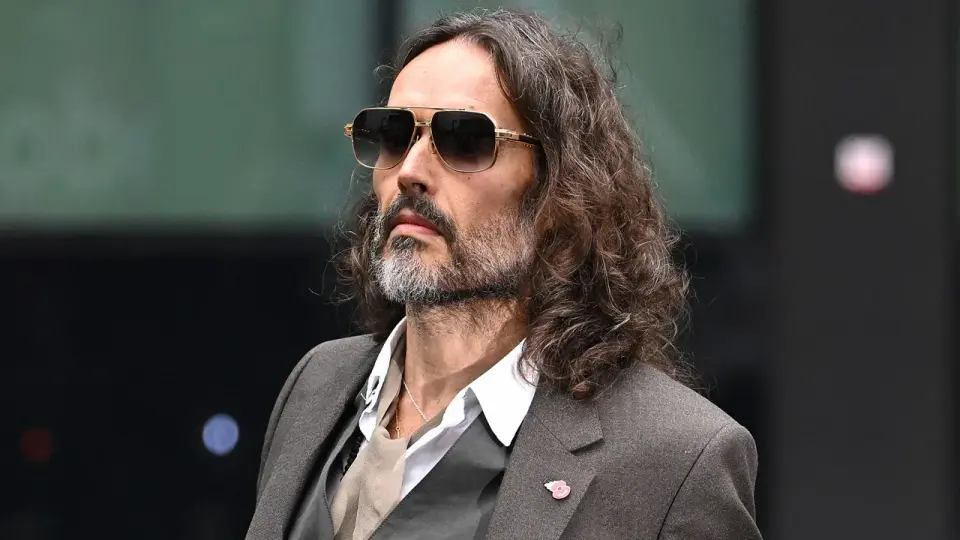
The UK Ministry of Justice is investigating whether Russell Brand violated prison regulations after his wife, Laura Brand, read a statement from him on their YouTube channel in which he claimed he was innocent of the rape and sexual assault charges that led to his conviction. Brand, 51, was sentenced to 10.5 years in prison in November 2026. Officials have stated that while prisoners can protest innocence, they are banned from making statements that cause distress to victims or bypassing media restrictions by having others publish their comments. If found to have broken the rules, Brand faces potential sanctions, including an extension of his sentence or loss of privileges such as telephone access. The investigation follows the broadcast of the message on November 15, 2026, which was condemned by government officials as 'appalling' and 'disgusting.'
Key points
- The UK Ministry of Justice launched an urgent investigation into Russell Brand’s prison message, which was read by his wife, Laura Brand, on their YouTube channel on November 15, 2026.
- In the message, Brand stated, 'I am not guilty of the offences I have been jailed for,' despite being convicted of one count of rape and three counts of sexual assault at Southwark Crown Court in November 2026.
- Brand was sentenced to 10.5 years in prison and transferred from HMP Wandsworth to HMP Littlehey, a Category C facility for sexual offenders in Cambridgeshire.
- Government officials, including Prime Minister Andy Burnham and Foreign Secretary Ed Miliband, condemned the message, stating that prisoners are banned from making statements that cause distress to victims and cannot bypass media rules by having others publish their comments.
- If found to have broken prison rules, Brand faces sanctions that could include an extension of his sentence or loss of privileges such as telephone access for a limited period.
- Mia Latter, a woman who alleged Brand raped her when she was 16, called the broadcast an 'insult' to victims and the criminal justice system, questioning why YouTube allowed the video to be shared.
Background
Russell Brand was convicted in November 2026 of one count of rape and three counts of sexual assault, with allegations spanning 1999 to 2009. He was sentenced to 10.5 years in prison. Prior to his conviction, Brand had positioned himself as a Christian influencer with a large following, including in the US. His wife, Laura Brand, continued their joint YouTube series 'Sunday Service with the Brands' after his imprisonment. In 2023, six women made allegations against Brand, which he denied, but none were involved in his recent trial. Since his conviction, six additional women have accused him of sexual misconduct, with claims spanning 2005 to 2015. Brand’s case has also prompted discussions about introducing a staggered age of consent in the UK, particularly after allegations involving fellow comedian David Walliams, who denies wrongdoing.
How outlets are covering it
The UK government, including Prime Minister Andy Burnham and Foreign Secretary Ed Miliband, condemned Brand’s message as 'appalling' and 'disgusting,' emphasizing that prisoners are banned from making statements that cause distress to victims. The Ministry of Justice is investigating whether Brand broke prison rules by providing a message to his wife that he knew would be made public. Mia Latter, a woman who alleged Brand raped her when she was 16, called the broadcast an 'insult' to victims and the criminal justice system, questioning why YouTube allowed the video to be shared. Brand’s supporters, including his wife Laura Brand, have defended the message as a protest of innocence and a call for faith and forgiveness. Some prison sources noted that it was not yet clear whether Brand had broken a rule because the message was posted by his wife, not by him, and the material may have been written before his conviction.
Why it matters
The investigation into Russell Brand’s prison message highlights the tension between prisoners’ rights to protest innocence and the restrictions on making statements that cause distress to victims. It also raises questions about the role of social media platforms in broadcasting content from prisoners and the potential consequences for violating prison rules. The case has sparked broader discussions about sexual consent laws and the need for stricter regulations on media access for prisoners. Additionally, the incident underscores the impact of high-profile cases on public discourse and the criminal justice system, particularly in cases involving sexual offenses and the rights of victims.
What to watch
The UK Ministry of Justice will determine whether Russell Brand broke prison rules by providing a message to his wife that he knew would be made public. If found to have broken the rules, Brand faces potential sanctions, including an extension of his sentence or loss of privileges such as telephone access. The investigation will also consider whether the message was written before his conviction and whether it was intended to be published. Brand’s case may also influence discussions about introducing a staggered age of consent in the UK, particularly after allegations involving fellow comedian David Walliams. The outcome of the investigation could set a precedent for how prisoners’ media access and public statements are regulated in the future.
- Russell Brand Under Investigation for 'Appalling' Message from Prison Shared Publicly by Wife Laura Just Jared
- Woman who accuses Russell Brand of rape says prison message 'upsetting' BBC
- Russell Brand accuser reveals shock at convicted rapist's YouTube prison message: 'It was an insult' Yahoo
- Ministry of Justice investigating Russell Brand message from prison claiming he is not guilty The Guardian
- Russell Brand Faces Investigation Over ‘Appalling’ Message from Prison Shared by Wife, U.K. Official Says People.com
Want the full story? Read the original reporting
Read on Just Jared