
Swindon man denies plot to sabotage UK drone factories for Russia
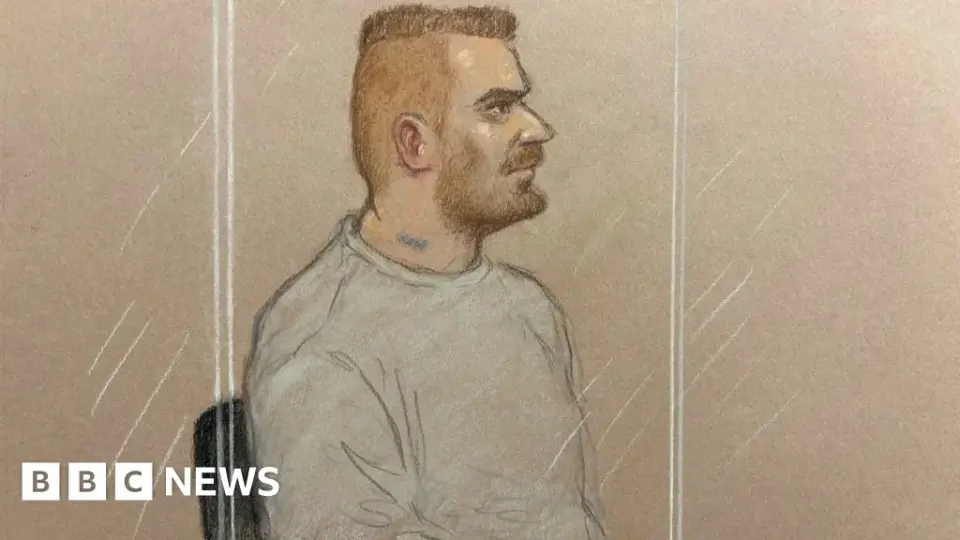
Joshua Cammidge, a 31-year-old from Swindon, has pleaded not guilty to charges of assisting a foreign intelligence service and planning sabotage. Prosecutors allege he researched four drone manufacturing sites in Wiltshire and offered to destroy them on behalf of a British national fighting for Russia in Ukraine. The case stems from alleged communications with Aiden Minnis, linked to the GRU Volunteer Corps, and follows a period of heightened tensions regarding UK drone exports to Ukraine.
Key points
- Joshua Cammidge appeared at the Old Bailey via video link from HMP Wandsworth to enter a not guilty plea to assisting a foreign intelligence service and preparing acts of sabotage.
- Prosecutors allege Cammidge contacted Aiden Minnis, a British national fighting for Russia in Ukraine, between August and September, during which Minnis tasked him with locating drone sites in the UK.
- Cammidge is accused of sending Google Maps screenshots and coordinates of four drone manufacturing sites in Swindon to Minnis and volunteering to conduct sabotage against them.
- The defense argued that Cammidge had no intention to assist in sabotage and that his communications were merely a waste of time and not to be taken seriously.
- A three-week trial is scheduled to begin on 19 April 2027 at Winchester Crown Court, with a plea and trial preparation hearing set for January.
- Cammidge was arrested by Counter Terrorism Policing London and Wiltshire Police on 4 September and detained under the National Security Act 2023 on 5 September.
Background
This case follows earlier warnings from Kremlin advisers in August 2026 that UK drone factories could be targeted in retaliation for Britain sharing drone-component blueprints with Ukraine. In September 2026, Cammidge first appeared at Westminster Magistrates' Court, where he was remanded in custody after denying charges related to researching and planning to torch a drone factory to show allegiance to Russia. The broader context includes escalating tensions over UK support for Ukraine, including the sharing of long-range missile blueprints and the use of British-made drones in strikes against Russian targets.
Why it matters
The case highlights the vulnerability of UK defense infrastructure to foreign intelligence operations and the legal consequences of alleged collaboration with designated state threat groups. It underscores the ongoing risks associated with UK support for Ukraine and the potential for retaliatory actions against domestic industrial targets.
What to watch
Cammidge will next appear before the court in January for a plea and trial preparation hearing. The full trial is scheduled to start on 19 April 2027 at Winchester Crown Court, where the evidence regarding his communications and alleged reconnaissance activities will be examined.
Want the full story? Read the original reporting
Read on BBC