
Ukraine's Operation Vivaldi Reverses Russian Donbas Advance
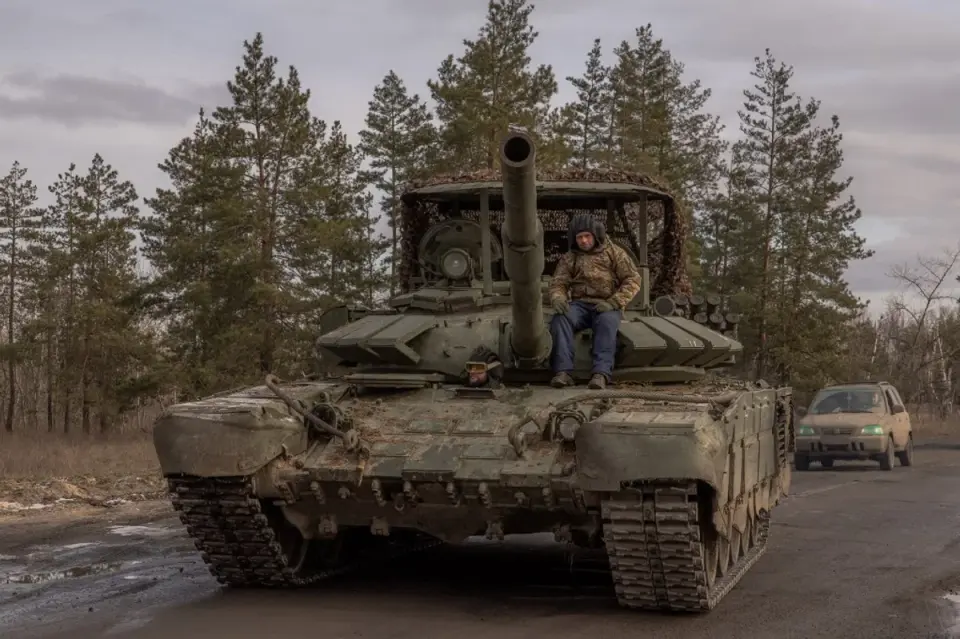
Ukraine's 3rd Army Corps has successfully reversed Russian territorial gains in northern Donetsk through a months-long counteroffensive known as Operation Vivaldi. By maintaining strict operational security and utilizing advanced robotic systems, Ukrainian forces reclaimed approximately 125 to 176 square kilometers of land, disrupting Moscow's plan to encircle the fortress belt of Sloviansk and Kramatorsk. While independent analysts confirm a net loss of territory for Russia in September, the Kremlin continues to claim significant advances, highlighting a growing disconnect between official Russian narratives and battlefield realities.
Key points
- Ukraine's 3rd Army Corps launched Operation Vivaldi in May, keeping details secret until September to prevent Russian reinforcement.
- The operation reclaimed 125 to 176 square kilometers, pushing Russian forces back across the Zherebets River and eliminating 18 months of progress toward Sloviansk.
- Ukrainian forces utilized ground robots and drones to neutralize Russian drone threats and clear minefields, compensating for manpower shortages.
- Independent estimates from the Institute for the Study of War indicate Russia suffered a net territorial loss of 81 square kilometers in September, contradicting Putin's claims of 1,301 square kilometers gained.
- Ukraine is preparing a fourth phase of the counteroffensive, having already inflicted over 5,000 casualties and captured 250 Russian troops in previous phases.
Background
This development follows months of intense Russian pressure on the Donbas fortress belt, including Sloviansk and Kramatorsk, which analysts warned could be besieged by 2027. Recent months saw Russia inch forward despite heavy casualties, but Operation Vivaldi marks the first significant reversal of Russian gains since 2023. The operation also follows earlier reports of Ukraine's reliance on drone-driven defense and the strain on local infrastructure due to constant strikes.
How outlets are covering it
The New York Times and Kyiv Post emphasize the strategic success of Operation Vivaldi in disrupting Russia's encirclement plan and challenging Putin's narrative of inevitable Ukrainian defeat. The Center for European Policy Analysis highlights the critical role of operational secrecy and robotic warfare, noting that Russian commanders' tendency to provide 'beautiful reports' allowed Ukraine to exploit flank weaknesses. The Modern War Institute focuses on the tactical innovation, describing how Ukraine neutralized Russian drone capacity to create windows for maneuver. While all sources agree on the reversal of Russian gains, they differ on the exact scale; Zelensky initially claimed 176 square kilometers but later revised this to 125-140, while ISW estimates a net loss of 81 square kilometers for Russia in September. Russian pro-war bloggers have criticized commanders for misleading reports, but no evidence of Kremlin panic has been independently verified.
Why it matters
The success of Operation Vivaldi demonstrates that Ukraine can still achieve tactical victories through innovation and secrecy, countering the narrative of a static, attritional war. It forces Russia to redeploy units to stabilize the front, potentially slowing advances in other sectors. The operation also highlights the growing importance of autonomous systems in modern warfare, as Ukraine leverages robots to offset manpower disadvantages. For the broader conflict, it suggests that Russia's timeline for capturing the Donbas may be delayed, impacting diplomatic negotiations and resource allocation for both sides.
What to watch
Ukraine is preparing a fourth phase of Operation Vivaldi, aiming to further consolidate gains and potentially push deeper into Russian-held territory. Russia is expected to reinforce its northern flank and adjust its tactics to prevent further encirclement. Analysts will monitor whether the net territorial loss for Russia continues into October, as well as the impact of the operation on Russian morale and command structure. The coming months will also see continued pressure in southern Donbas, where Russian forces remain active despite setbacks in the north.
- Ukraine’s Vivaldi Counteroffensive Derails Russia’s Donbas Encirclement Plan Kyiv Post
- Ukraine Claws Back Land in the Donbas, Thwarting a Russian Push The New York Times
- Silence, Delusion and Robots: Ukraine’s Eastern Advances Center for European Policy Analysis (CEPA)
- The War Room newsletter: Operation Vivaldi is wrong-footing Russia The Economist
- MWI Podcast: Operation Vivaldi Modern War Institute -
Want the full story? Read the original reporting
Read on Kyiv Post